
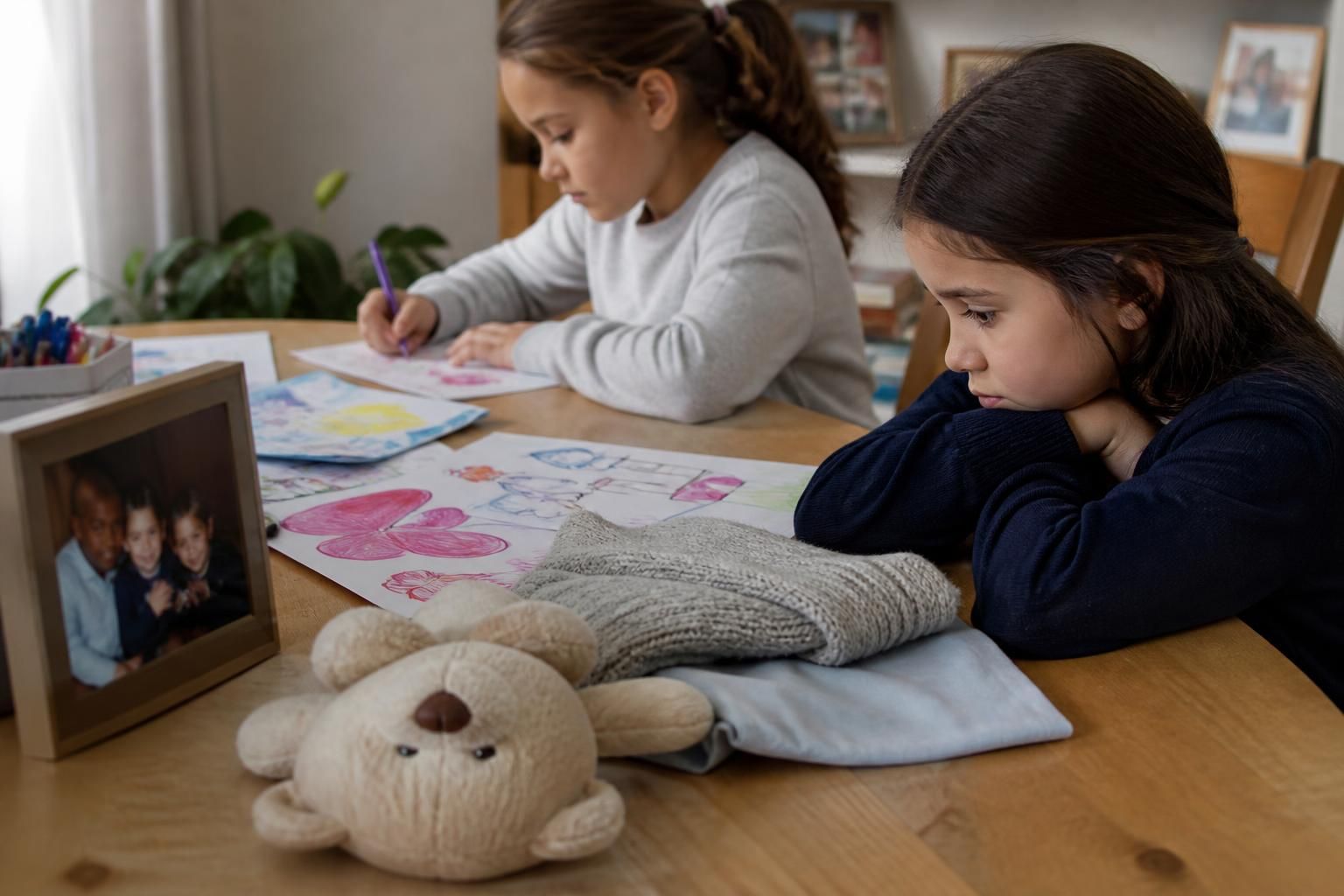
What happens to other children in the foster home when a placement ends?
When a foster placement ends, the other children in the foster home should be supported to understand and manage the change in an age-appropriate way. Their feelings, routines and relationships are considered as part of the planning, with foster carers working with the child’s social worker and their own supervising social worker to help the household adjust.
Partnering with an
Ofsted Outstanding Provider
When a foster placement ends, the other children living in the foster home are included in the transition plan according to their age, understanding and relationship with the child who is leaving. This may include the foster carers’ birth children, adopted children and any other children already in placement. They should receive clear, honest information without being given confidential details about the child’s circumstances.
The effect of an ending can vary considerably. A child may feel sadness, worry, anger, relief or uncertainty, sometimes changing between these emotions. They may miss the child, feel concerned about their safety, or be unsettled by changes to the household. Younger children might show this through changes in sleep, play or behaviour, while older children may become quiet, withdrawn or preoccupied. Some children appear unaffected at first and show their feelings later.
Foster carers can help by:
- explaining what is happening in simple, truthful language that matches the child’s age and level of understanding;
- making clear that the placement ending is not the other children’s fault and is not something they could have prevented;
- allowing questions and acknowledging feelings without criticising the child who has left;
- giving children choices where appropriate, such as whether to make a card or help gather agreed belongings;
- keeping familiar household expectations, school arrangements and activities as consistent as possible;
- avoiding promises about future contact unless this has been agreed by the adults responsible for the child’s care; and
- checking in after the move rather than assuming that the matter is finished once the child has left.
Confidentiality remains important. Other children in the home can be told the practical information they need, such as that the child is moving to another arrangement, but they should not be given private information about their history, health, family relationships or the reasons for decisions. Foster carers can explain that some information cannot be shared and that this is about respecting everyone’s privacy.
The ending may be planned over several days or weeks, or it may happen with little preparation if there is an urgent safeguarding concern or the arrangement can no longer continue safely. In a planned ending, the children in the household may have more opportunity to say goodbye and take part in an agreed ritual, such as exchanging a card or keeping a suitable photograph. If the move is sudden, they may need a simple explanation afterwards and additional opportunities to talk about what happened.
Foster carers should observe how the change affects each child and raise concerns with their supervising social worker. Useful signs to discuss include persistent low mood, anxiety, aggression, disrupted sleep, difficulties at school, physical complaints, regression or a strong reluctance to speak about the ending. Support might involve further conversations, advice from the fostering service, help from school or a therapeutic professional, depending on the child’s needs.
Children in the foster home should also have a safe way to express their views about fostering and placement endings. They can be asked what they found difficult, what helped and what they would need if another child joined the household in future. Their views are relevant to future matching and household planning, although the final decisions remain with the adults and professionals responsible for fostering and safeguarding.
Foster carers should also consider the practical changes that follow a placement ending. This can include reorganising bedrooms or shared spaces, removing reminders at a suitable pace, checking school and childcare arrangements, and agreeing how the family will talk about the child who has left. The aim is not to erase the relationship, but to help the household regain stability while respecting the child’s privacy and the continuing significance of the placement.
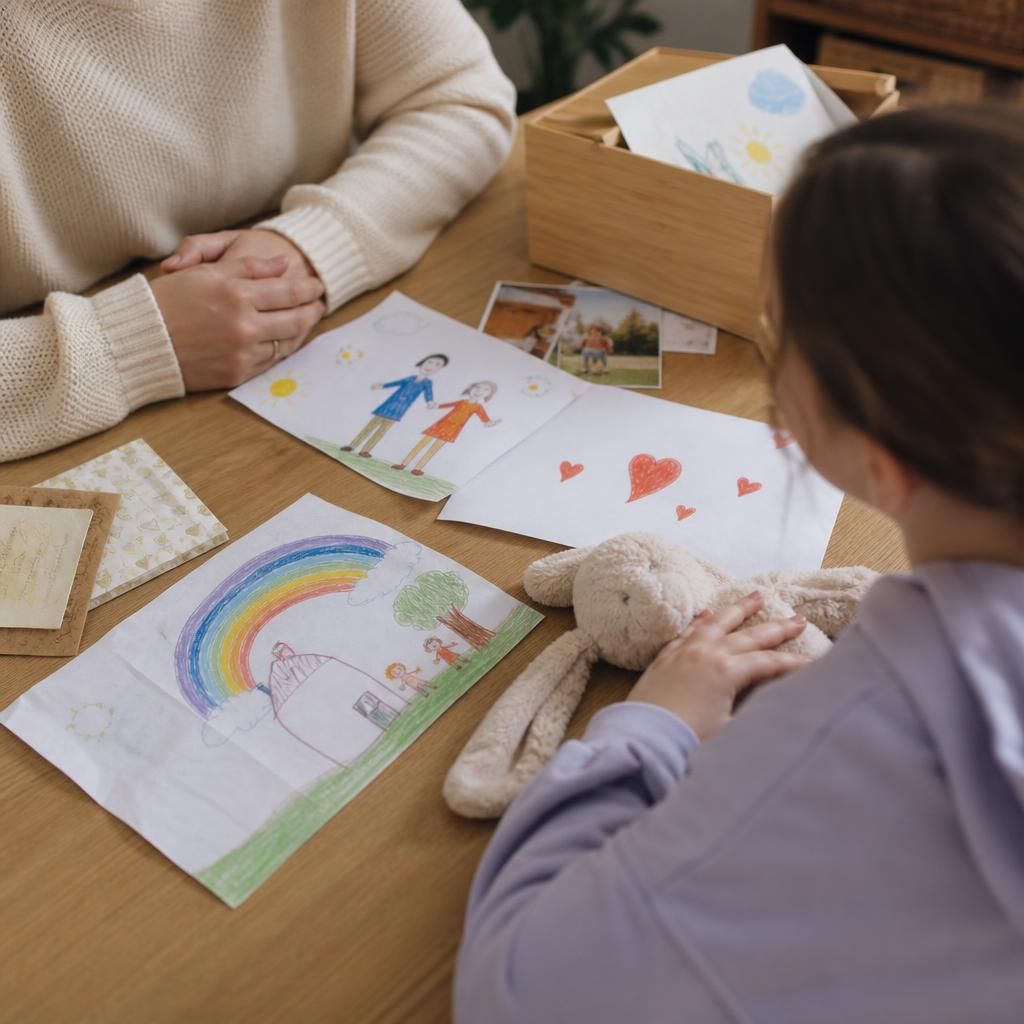
A post-placement household review helps identify how the ending has affected the other children and what the family may need before another placement is considered. The foster carer can discuss this with their supervising social worker, focusing on the household’s experience rather than sharing confidential information about the child who has left.
The review may consider whether routines, sleeping arrangements, family boundaries or support plans need adjusting. It can also help clarify what the children living in the home found manageable, what they found difficult and whether they feel ready for fostering to continue. Any concerns about behaviour, school, relationships or emotional wellbeing should be recorded and followed up with appropriate support.
Discuss support for children in your foster home
If a placement ending has affected children in your household, speak with your supervising social worker to review what support may be appropriate for them.