
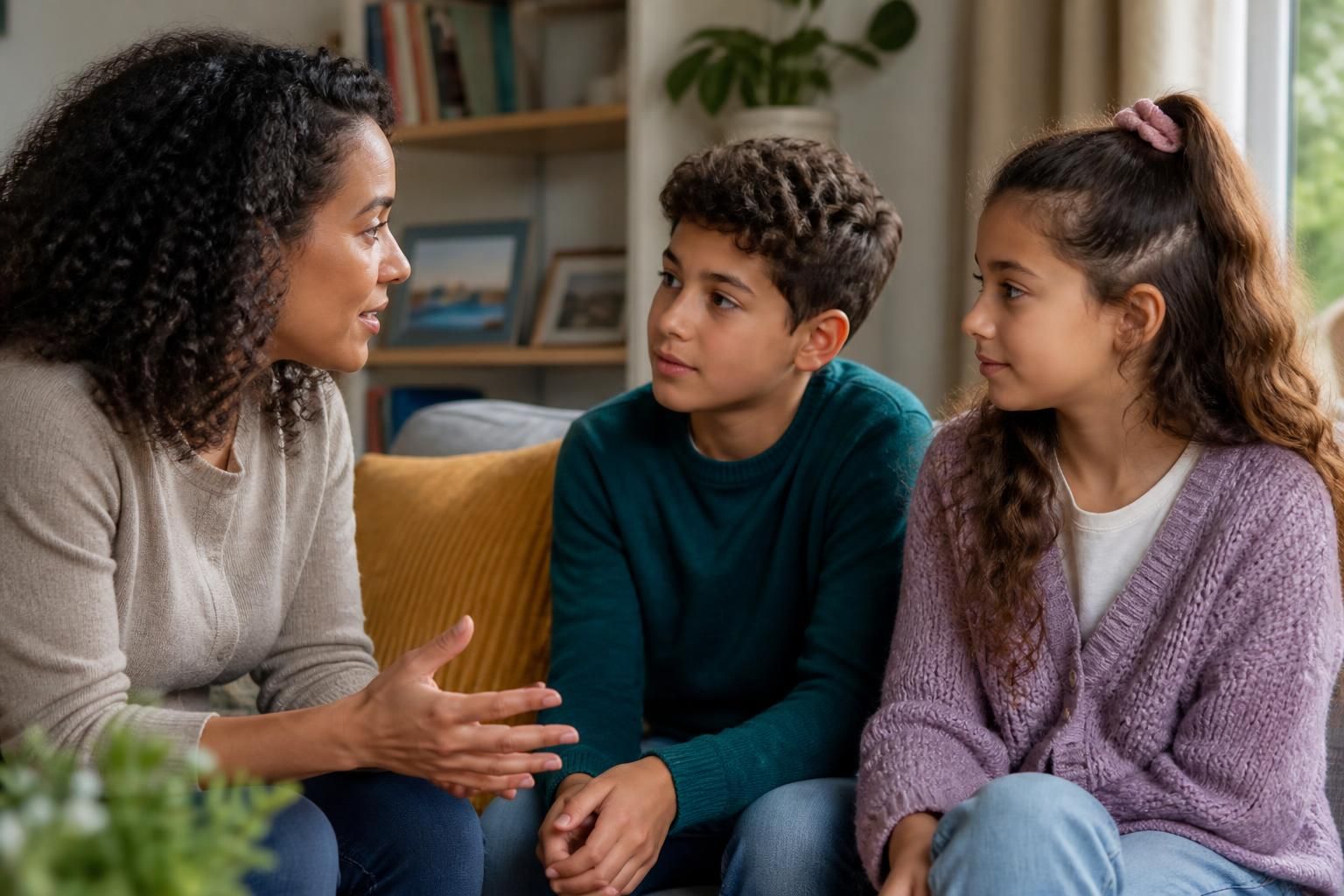
Are sibling relationships considered during foster placement matching?
Yes. Sibling relationships are considered during foster placement matching, with the aim of keeping brothers and sisters together where this is safe and in their best interests, or supporting appropriate contact when they need separate placements.
Partnering with an
Ofsted Outstanding Provider
Sibling relationships form a specific part of foster placement assessment. Matching considers the nature of each relationship, the children’s individual needs and whether a shared placement can provide safety, stability and the right level of care for everyone involved.
Social workers will usually gather information about:
- the children’s ages, personalities, routines and developmental needs;
- how they relate to one another, including attachment, closeness, conflict and responsibility;
- any history of abuse, neglect, trauma or family disruption affecting their relationships;
- each child’s wishes and feelings, where these can be established; and
- whether one child has additional needs that could affect the others in the household.
Keeping siblings in the same foster home may help preserve an important source of familiarity and emotional support. However, living together is not automatically the best option. For example, children may have different experiences of family life, may trigger distress in one another, or may have caring or protective roles that are inappropriate for their age. A matching decision must consider each child individually rather than assuming that siblings will always have identical needs.
The assessment also considers the foster household. This can include the carers’ experience, available space, household routines, other children in the home, pets, transport arrangements and ability to manage the children’s combined needs. Foster carers should be given relevant information so they can consider whether they can provide safe and suitable care for the sibling group. They are not expected to make the decision without information or professional discussion.
Where siblings are placed together, the plan should set out practical arrangements that help them settle. These may include sleeping arrangements, school and transport considerations, individual time with carers, support for different routines and ways to manage disagreements. Each child should still have their own care plan, review arrangements and opportunity to speak privately with professionals.
Sometimes separate placements are considered necessary. This might be because of safeguarding concerns, significant differences in care needs, a lack of suitable household space or the effect the children’s relationship has on their wellbeing. Separation should be carefully explained and reviewed rather than treated as an end to the sibling relationship.
When siblings cannot live together, professionals may arrange contact in a way that is safe and meaningful. Depending on the circumstances, this could involve face-to-face visits, shared activities, telephone or video contact, letters, photographs or updates through social workers. The arrangements should reflect the children’s ages, wishes, safety and changing needs. Contact may need to be supervised or adapted if there are risks or if meetings cause distress.
Sibling matching is not always settled permanently at the first placement decision. Social workers and foster carers monitor how the arrangement is working through day-to-day observations, supervision, statutory reviews and discussions with the children. If circumstances change, the plan may be adjusted, including the support provided, contact arrangements or the placement itself.
If you are considering a sibling placement, ask the fostering team about the information available, the support that would be provided and how individual needs would be managed within the household. It is appropriate to discuss what you feel able to offer, including the number and ages of children you could care for, before agreeing to any proposed placement.
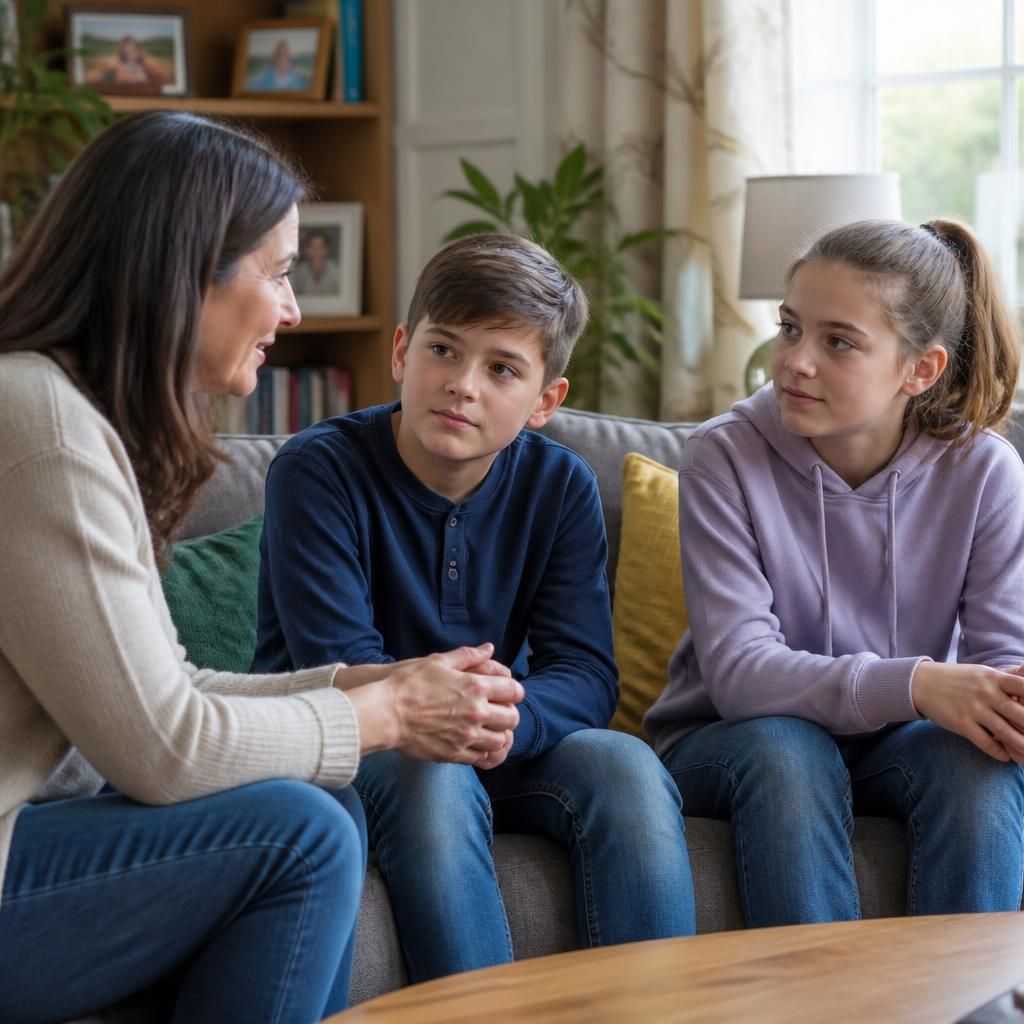
Sibling matching is not limited to children who share both parents. Social workers may also consider half-siblings, step-siblings and other children who have developed a significant sibling-like relationship. The important question is the nature and importance of the relationship, rather than the family label alone.
This means a child’s established connections should be recorded alongside information about their birth family and care needs. Where children cannot live together, those relationships should still be considered when planning safe, meaningful contact and reviewing whether the arrangements continue to meet each child’s needs.
Discuss sibling placement matching with our fostering team
Contact our fostering team to discuss sibling placement matching and ask practical questions about whether this type of placement could be suitable for your household.