
Can I foster if I rent my home?
Yes, you can usually foster if you rent your home, provided you have your landlord’s permission and the property offers suitable, stable accommodation for a child or young person. Your fostering assessment will consider your living arrangements, available space and whether your home can meet the child’s needs.
Partnering with an
Ofsted Outstanding Provider
A rented property can be suitable for fostering, but the arrangement must be compatible with your tenancy and the home must meet fostering requirements. Before you apply, check your tenancy agreement and ask your landlord or housing provider for written permission to foster.
Check the terms of your tenancy
Your agreement may restrict the number of people living in the property, require consent for a change in household circumstances or contain other conditions relevant to fostering. Council and housing association tenants should contact their housing provider, as their permission may be required under the tenancy terms. Do not assume that an informal conversation is enough; keep any approval in writing and provide it as part of your fostering assessment.
A landlord may want basic information about fostering, such as whether a child will have a dedicated bedroom and whether any adaptations to the property are expected. The fostering service can explain what information is relevant. You should not make changes to the property, such as installing additional locks or altering fixtures, without checking whether your landlord’s consent is needed.
The property will be assessed for suitability
During the assessment, the fostering service will consider whether the accommodation is safe, stable and appropriate for a child or young person. This normally includes looking at:
- the condition, cleanliness, heating and general safety of the property;
- the bedroom and personal space available to the child;
- fire safety, escape routes and household security;
- how many people live in the home and whether there is enough space for everyone;
- the location of the property and its practical suitability for the child’s education, family contact and support network; and
- whether the home is likely to remain available and suitable for the foreseeable future.
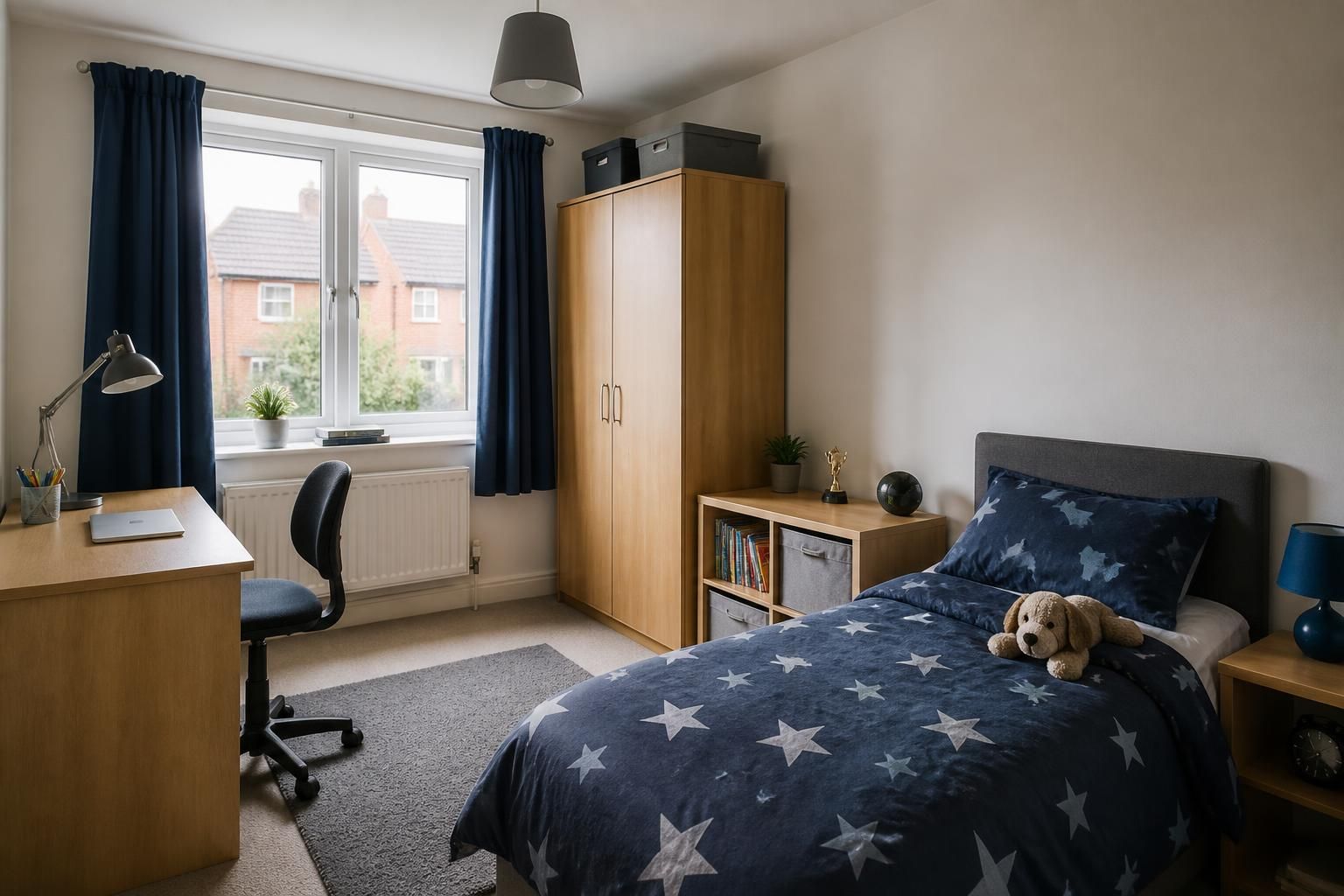
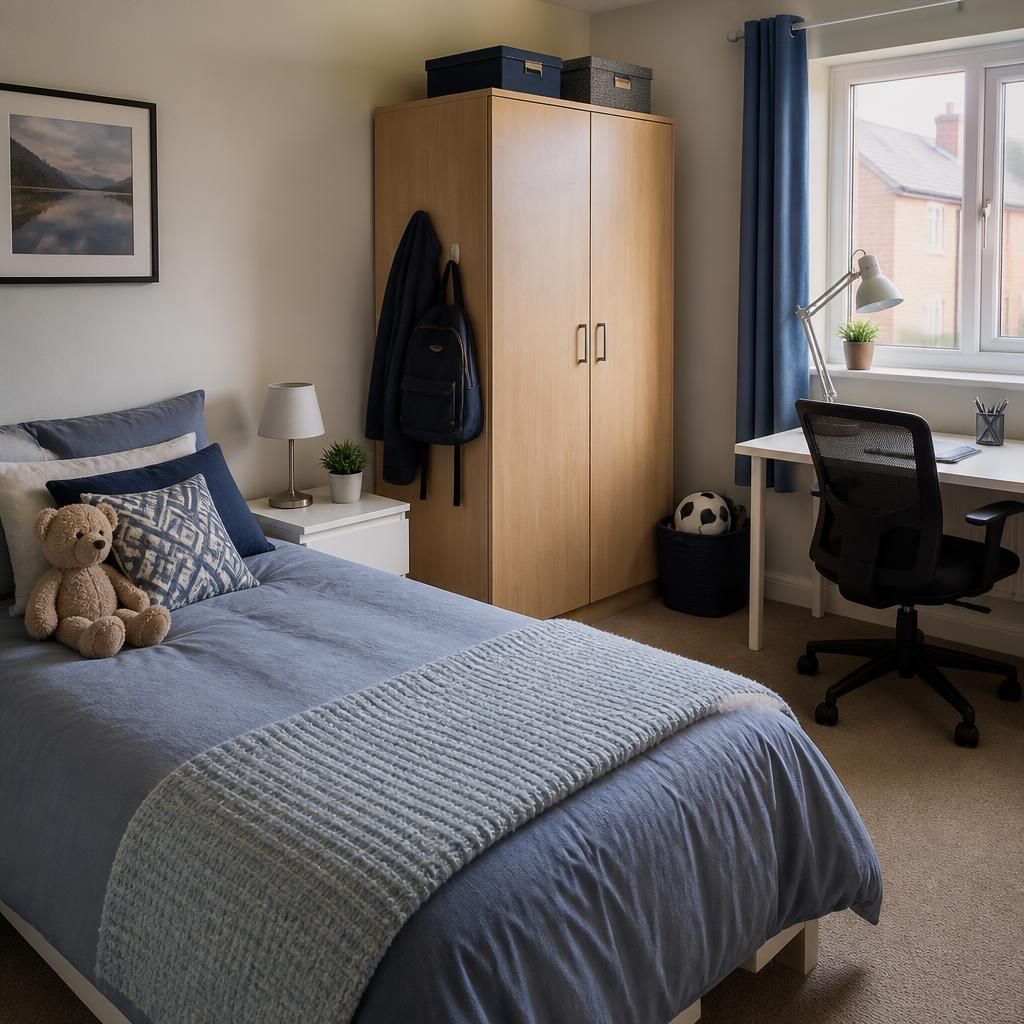
In most circumstances, a fostered child should have their own bedroom. The exact arrangements can depend on the child’s age, needs and circumstances, and on the type of placement being considered. A child’s bedroom should be appropriately furnished, private and free from hazards. The assessment will also consider whether the room is large enough for the proposed arrangement rather than simply whether a room is technically available.
Consider how secure your housing is
There is no single type of tenancy that automatically prevents someone from fostering. However, the length and security of your tenancy may be discussed. If your tenancy is due to end soon, you are expecting to move or your landlord has indicated that the property may be sold, this could affect whether the home is considered stable for a placement.
Tell the assessing social worker about any planned move or change to your household. Moving home after approval does not necessarily mean you cannot continue fostering, but the new property will need to be checked and approved before a child moves in. You should also notify the fostering service if your landlord, tenancy terms or household composition changes.
Permission is separate from fostering approval
Landlord consent and approval to foster are two different requirements. Your landlord confirms that fostering is permitted under your housing arrangement. The fostering service decides whether you and your household can provide suitable care and whether the property meets the required standards. Both parts need to be addressed before a placement can be made.
As part of the assessment, the service will also consider the people who live in or regularly visit your home. This may include their views about fostering, how household routines would work and whether everyone understands the importance of privacy, safeguarding and confidentiality. Renting does not remove these assessment requirements.
Practical steps before applying
- Read your tenancy agreement carefully, including clauses about additional occupants, changes in household use and alterations.
- Ask your landlord, council or housing association whether written permission is required and request confirmation in writing.
- Check that a suitable bedroom is available and that the property is safe and in good repair.
- Raise any concerns about your tenancy, planned move or housing arrangements with the fostering service at the start of your enquiry.
- Keep copies of your permission and any relevant correspondence for the assessment.
If you are considering fostering from a rented home, Become a Foster Family can explain how your accommodation will be considered and what evidence may be needed. Its teams support prospective foster carers across the West Midlands, including Birmingham, Worcestershire, Staffordshire, Dudley, Sandwell, Herefordshire, Telford, Wolverhampton, Shropshire, Walsall, Warwickshire, Stoke, Solihull, Coventry and Gloucestershire.
When discussing fostering with your landlord, explain that a foster child is placed with you through an approved fostering service and is not a lodger or subtenant. The arrangement involves safeguarding checks, supervision and agreed care responsibilities, so it should be considered separately from letting a room to another adult.
Ask whether your landlord needs any further information before confirming consent. You may need to provide details about the type of placement being considered, who will live in the property and whether the arrangement affects your tenancy or household insurance. Keeping a clear written record can prevent misunderstandings later and gives your assessing social worker the information needed to consider your circumstances accurately.
Ask about fostering from a rented home
Speak to Become a Foster Family to discuss your circumstances and understand the next steps towards fostering from a rented home.