
How does the fostering assessment process work?
The fostering assessment process is a structured evaluation of your suitability to care for a child, covering your background, health, home, relationships, support network and ability to meet children’s needs. It normally includes an initial application, checks and references, interviews, preparation training, a written assessment report and a recommendation for approval by a fostering panel.
Partnering with an
Ofsted Outstanding Provider
The fostering assessment process is a detailed suitability assessment carried out in two stages. It considers whether you can provide safe, stable and appropriate care for a foster child, and whether fostering is suitable for everyone in your household. The assessment is evidence-based, so it looks at your circumstances, experience, strengths, support arrangements and capacity to meet the needs of children in care.
Stage 1: preliminary checks and information gathering
After you express an interest and make an application, the fostering service gathers initial information and completes the checks required to consider your suitability. These usually include:
- identity and address verification;
- Disclosure and Barring Service checks for household members where required;
- local authority checks;
- employment and personal references;
- health information from your GP or another medical professional;
- details of previous applications to foster or adopt, where relevant; and
- information about any previous involvement with children’s services.
The purpose is not to expect a completely problem-free personal history. The assessing team needs an accurate picture so it can understand any issues properly, consider their relevance to fostering and identify what support or safeguards may be needed.
Stage 2: the full fostering assessment
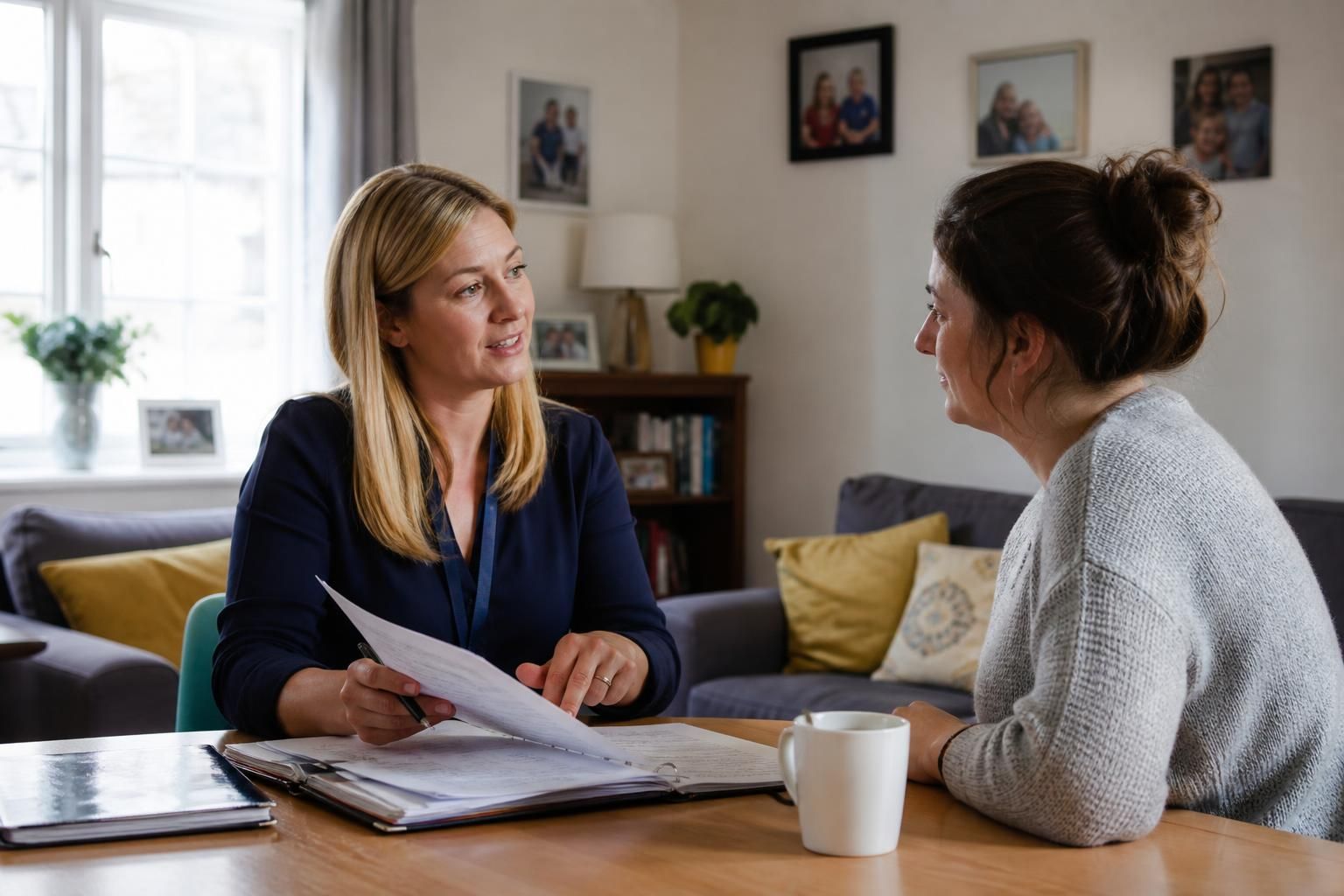
If the initial information indicates that fostering may be appropriate, a qualified social worker carries out a fuller assessment. This normally involves several detailed conversations with you and, where relevant, your partner and other members of the household. The assessor will explore topics such as:
- your reasons for wanting to foster and your understanding of the role;
- your childhood, family life and significant relationships;
- your experience of caring for children or supporting people with additional needs;
- your approach to boundaries, behaviour and safe care;
- your ability to work with birth families, social workers, schools and other professionals;
- your emotional resilience and ability to manage change, loss and uncertainty;
- your religious, cultural and personal values, including how you would respect a child’s identity; and
- the support available from relatives, friends and other people involved in your life.
Discussions are usually held in your home as well as through other arranged meetings. The assessor needs to understand how your household operates and whether the accommodation can provide suitable space, privacy and safety. This may include considering sleeping arrangements, household routines, pets, smoking, transport, neighbours and any risks within or around the property. Renting a home does not automatically prevent fostering, but the fostering service may need confirmation that the proposed arrangements are acceptable.
Preparation training
Applicants normally complete preparation training before approval. This helps you understand the realities of fostering and gives you an opportunity to reflect on whether the role is right for you. Training commonly covers safeguarding, trauma and attachment, children’s behaviour, contact with birth families, safer caring, recording information and the impact of fostering on the household.
Training is also part of the assessment. Participation, questions and reflections can help the assessing social worker understand your learning needs and how you respond to the responsibilities involved. It is not simply a test that you pass or fail.
How long does the assessment take?
There is no single timescale that applies to every applicant. The length of the process can be affected by the availability of references, medical information and checks, the complexity of your circumstances, the number of people who need to be interviewed and whether further information is required. Assessment work may continue while checks and training are being completed, but an application cannot move to a final decision until the necessary evidence is available.
Your assessing social worker should explain the expected stages, tell you what information is needed and discuss any delays or concerns with you. You should ask for clarification if you do not understand a request or if your circumstances change during the assessment.
The written assessment report
Once the evidence has been considered, the social worker prepares a detailed written report. This report brings together the information from your interviews, checks, references, medical advice, training and home assessment. It should explain your strengths, any areas requiring further consideration, the type and number of children you may be able to care for, and the support or conditions that may be appropriate.
You should have an opportunity to read the report, identify factual inaccuracies and provide comments before it is considered by the fostering panel. If the report raises concerns, the assessing team should explain them and give you an opportunity to respond. Some concerns may be addressed through additional information, training, safeguards or a change to the recommendation; others may mean that approval is not appropriate.
Fostering panel and final decision
The completed report is presented to a fostering panel. The panel considers the evidence and makes a recommendation about whether you should be approved, and what approval terms should apply. You may be invited to attend so that panel members can ask questions and you can add information or respond to points in the report.
The panel’s recommendation is then considered by the fostering service’s agency decision-maker, who makes the final decision. If you are approved, the decision will specify the terms of your approval, such as the age range, number of children and any other relevant conditions. These terms are intended to match your skills, household circumstances and the needs you can safely meet.
If approval is not recommended or granted, the fostering service should explain the reasons and tell you what review or representation options are available. The exact process depends on the decision and the fostering service’s procedures, so read the information provided carefully and ask for independent advice if needed.
What helps an assessment go well?
- Be open and consistent. Withholding information can create greater concern than the issue itself.
- Think about how fostering would affect work, relationships, children already in the household and daily routines.
- Consider who could provide practical and emotional support when fostering is demanding.
- Keep requested documents and contact details up to date.
- Ask questions about anything you do not understand, including proposed approval terms.
- Use the assessment to decide whether the role is right for your household, rather than treating it only as an application to complete.
The assessment is intended to reach a safe, informed decision for children and applicants. A recommendation is based on the evidence available at the end of the process, and approval depends on the fostering service being satisfied that the applicant can meet children’s needs safely and consistently.
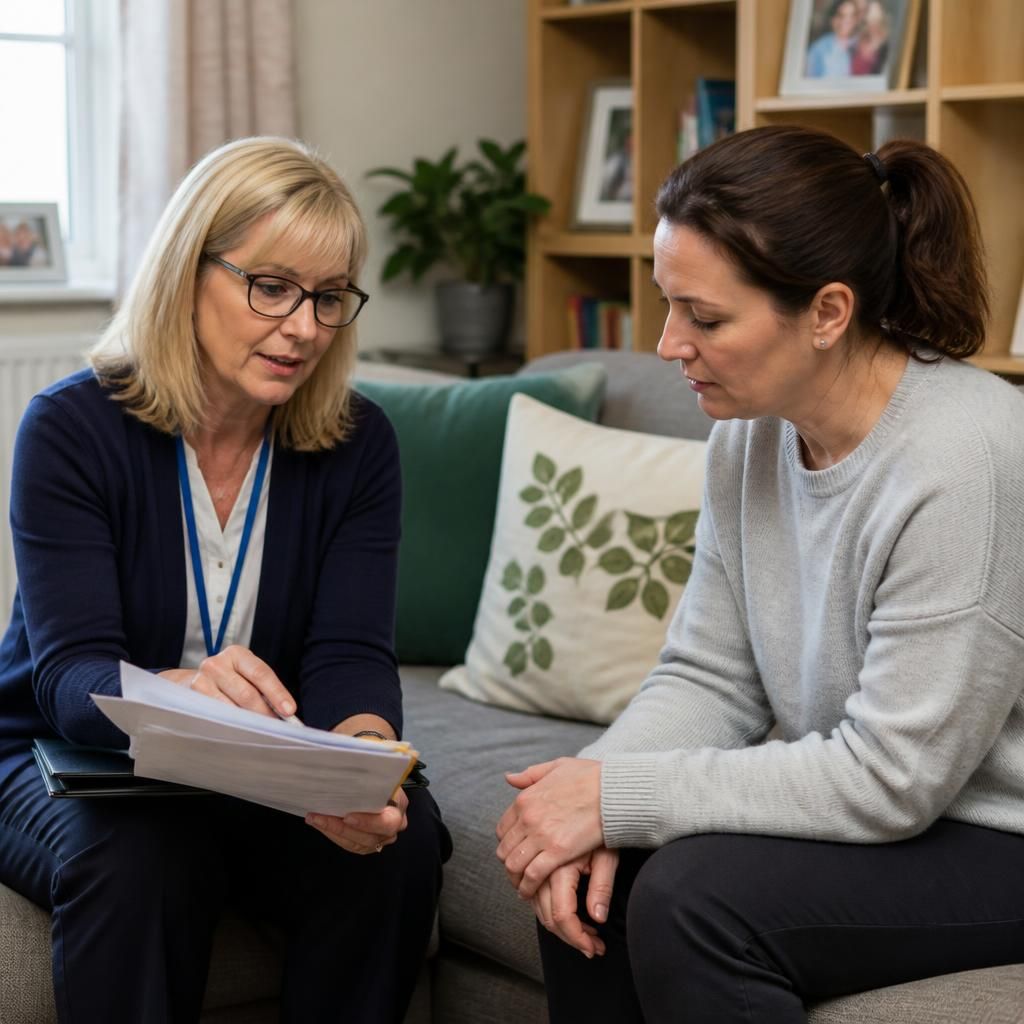
If children already live in your household, their needs and views form part of the fostering assessment. The assessing social worker may speak with them in an age-appropriate way to understand how they feel about fostering and explain what could change at home. This helps identify practical issues, such as sharing space, changes to routines or the need for additional support, before a decision is made.
The aim is not to ask children to decide whether you should foster. It is to make sure the proposed arrangements are safe, understood and suitable for everyone in the household, including the child who may be placed with you.
Find out more about the fostering assessment process
If you are considering fostering, contact Become a Foster Family to discuss your circumstances and ask questions about starting an application.