

What records must foster carers keep during a placement?
Foster carers should keep accurate, dated records of significant events during a placement, including the child’s daily care, health, medication, education, contact arrangements, incidents and important conversations. Records should be factual, stored securely and shared with the supervising social worker or relevant professionals in line with the fostering service’s procedures.
Partnering with an
Ofsted Outstanding Provider
During a foster placement, carers generally keep a contemporaneous record of the child’s day-to-day experience, significant events, decisions and any concerns. The exact format and retention period are set by the fostering service, but records should be completed promptly, written objectively and kept in line with the service’s recording and safeguarding procedures.
What a typical record includes
- A brief account of notable events, changes in behaviour, achievements, worries or conversations that may help professionals understand how the child is presenting.
- Details of any injury, illness, accident, missing episode, allegation, complaint, safeguarding concern or use of physical intervention, using the service’s specific reporting process where one applies.
- Information about decisions made under delegated authority, including what was agreed, who was consulted and any limits or conditions attached to the decision.
- Practical information needed for continuity of care, such as appointments attended, arrangements made with professionals and actions that remain outstanding.
- Relevant observations about relationships, routines and presentation, while avoiding assumptions about the reasons for a child’s behaviour.
Not every event needs a lengthy entry. A short, precise note is usually more useful than a detailed account containing speculation. The fostering service may also provide separate forms for accidents, safeguarding concerns, medication, contact, expenses, complaints and significant incidents. Use the designated form rather than relying solely on a diary entry when the procedure requires a formal notification.
How to write an effective entry
- Write the date and time of the event and the date and time the record was made if these are different.
- Record what was seen, heard or done, rather than presenting an unverified explanation as fact.
- Use the child’s own words for important statements, placing them in quotation marks where appropriate. Do not repeatedly question a child about a possible safeguarding matter; follow the service’s reporting guidance.
- Separate observation from professional opinion. For example, describe that a child was crying, withdrawn or had a visible mark rather than diagnosing the cause.
- Identify who was present, what action was taken, who was informed and what follow-up is required.
- Keep the language respectful and avoid labels, criticism, humour or comments that could be misunderstood if the child later reads the record.
Records should be made as soon as practicable while details are clear. If an entry is completed later, say so. Do not delete or conceal an error: follow the service’s correction process, which may require a dated amendment that leaves the original wording traceable. Electronic systems should be used only as instructed, with individual logins and no shared passwords.
Daily logs and significant-event reports are different
A daily log can provide a continuing picture of ordinary routines and changes over time. A significant-event report is a formal notification about an incident or concern that may require action by the supervising social worker, child’s social worker, manager or another agency. A diary entry does not replace an urgent telephone notification or safeguarding referral. If there is an immediate risk of harm, follow the emergency and safeguarding instructions provided by the fostering service and relevant authorities.
Keeping information confidential
Fostering records contain personal information about the child and often about birth relatives, other children and professionals. Keep paper records where unauthorised people cannot see them and do not leave them in vehicles, shared rooms or unsecured bags. Do not discuss the child on social media, store photographs on personal devices without permission or send records through an unapproved messaging service. Information should be shared only with people who have a legitimate role in the child’s care, using the method required by the fostering service.
Confidentiality does not mean keeping a serious concern to yourself. If a child discloses abuse, makes an allegation or presents an immediate safeguarding risk, report it through the correct route even if the child asks you not to. Explain, where appropriate, that information may need to be passed on to help keep people safe.
Why accurate records matter
Good records help the professionals involved identify patterns, make informed decisions and prepare for reviews, meetings and changes in care arrangements. They can also provide an accountable account of what a carer observed and did. In some circumstances, a child or adult who was previously looked after may request access to information held about their childhood, subject to the applicable rules. A respectful, factual entry may therefore be important long after the placement has ended.
Before a placement begins, the supervising social worker should explain which recording system to use, what must be reported immediately, who receives different types of information and how long records are retained. Ask for clarification whenever an event does not fit neatly into a form. Following the fostering service’s policy is essential because recording expectations can vary between providers and may be updated as the child’s needs change.
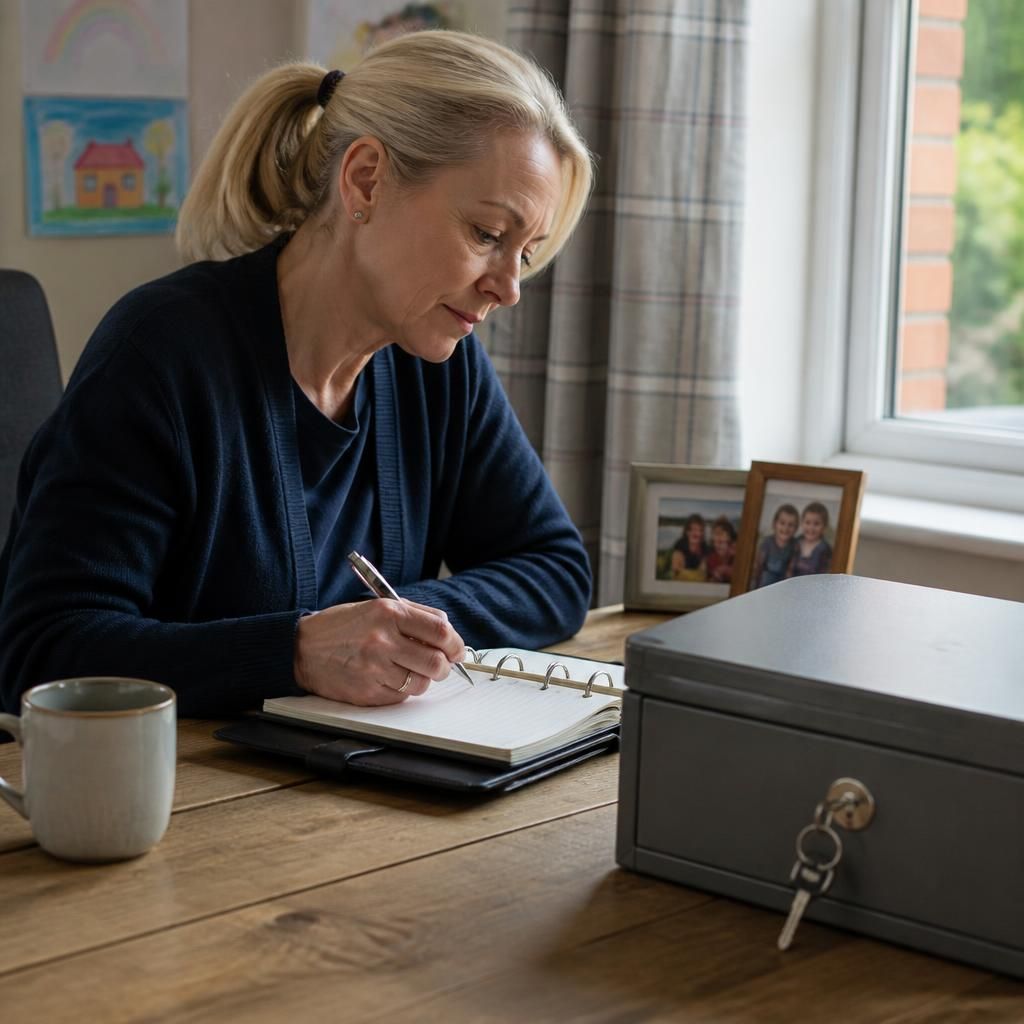
At the end of a placement, ask the fostering service what should happen to your records. Some information may need to be returned, transferred or retained within the service’s official system, while temporary working notes may need to be securely destroyed. Do not keep personal copies simply for convenience, and do not dispose of records unless the service confirms that this is permitted.
Before closing the file, check that outstanding actions, appointments, professional recommendations and agreed follow-up have been passed to the supervising social worker or the child’s social worker. This helps prevent important information being lost during a move or change in care arrangements.
Get guidance on keeping foster placement records
Speak to our fostering team for guidance on the recording procedures, systems and support you would receive during a placement.