

Can I become a foster carer if I rent my home?
Yes, you can usually become a foster carer if you rent your home. You will need your landlord’s permission, and your accommodation must be suitable for fostering, including meeting space, privacy and safety requirements assessed during the application process.
Partnering with an
Ofsted Outstanding Provider
Renting a home does not automatically prevent you from becoming a foster carer. The important points are that you have a stable right to live in the property, obtain any permissions required under your tenancy, and can provide suitable space and conditions for a child or young person.
Before applying, check your tenancy agreement carefully. It may contain terms about additional occupants, changes to the household, the use of rooms or alterations to the property. Your landlord, letting agent or housing provider may need to give written consent for fostering. If you rent from a housing association or local authority, ask which department handles permission for fostering and keep a record of any decision.
Permission to foster is separate from the fostering assessment. A landlord’s agreement confirms that fostering is allowed at the property; it does not determine whether you are suitable to foster. The assessment considers your household, experience, health, relationships, support network and ability to meet a child’s needs, alongside the home itself.
The property will need to provide an appropriate environment for fostering. This normally includes:
- Suitable sleeping arrangements and enough personal space for the child or young person.
- Privacy that is appropriate to their age and circumstances.
- Safe access to the home, rooms and outside areas.
- Facilities that are clean, secure and maintained to a suitable standard.
- Enough room for belongings, school equipment and day-to-day activities.
The exact arrangements can depend on the age of the child, the type of fostering being considered and the needs identified during assessment. You may not need to own your home or have a spare room of a particular size, but the proposed arrangement must be suitable. The fostering team will discuss your circumstances and explain what would be required before approval.
You should also tell the fostering team about any planned changes to your tenancy, such as moving home, renewing a short-term agreement or expecting a change in household members. A move during assessment or after approval may require the suitability of the new accommodation to be reviewed. It is sensible to discuss any housing uncertainty early rather than assume that an existing assessment will transfer automatically.
If you live with a partner, children or other household members, their views and involvement will also be considered. Everyone in the household should understand how fostering could affect privacy, routines and the use of shared areas. The assessing social worker will explore these practical issues with you and identify any support or preparation needed.
Renting does not normally prevent you from accessing the same preparation, training, assessment guidance and ongoing support as other applicants. Financial arrangements and fostering allowances can also be explained as part of the application process; the amount and terms depend on the fostering arrangement and current policy.
When you enquire, provide details of your tenancy and ask what evidence of permission is needed. This allows the fostering team to identify any housing-related issues early and advise whether your current accommodation can support the type of fostering you are considering.
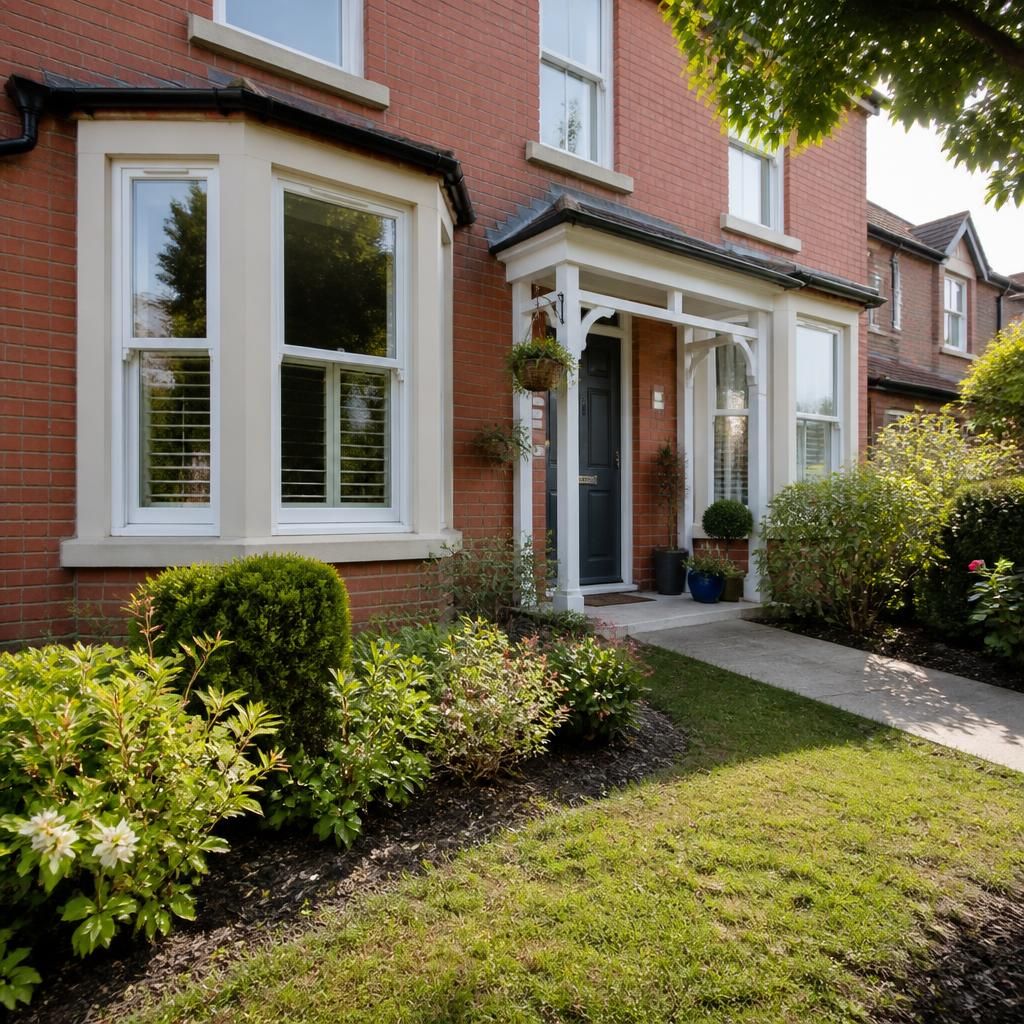
If your landlord refuses permission for fostering, you should not proceed on the assumption that informal agreement will be enough. Ask for the reason in writing and check whether the decision relates to your tenancy terms, property restrictions or a housing provider’s policy. You can then discuss the position with the fostering team, who can explain whether the issue can be resolved or whether another housing arrangement would be needed.
A refusal from a landlord does not, by itself, mean that you are unsuitable to become a foster carer. It concerns whether fostering can take place at that particular address. Do not make changes to the property or bring a child into the household for fostering purposes until the required consent has been obtained and the accommodation has been considered as part of the assessment.
Ask about fostering from a rented home
If you are considering fostering from rented accommodation, speak to our fostering team about your circumstances and the next stage of the application process.