

Can single people become foster carers?
Yes, single people can become foster carers. The assessment focuses on your ability to provide a safe, stable and nurturing home, including your circumstances, support network and suitability to meet a child’s needs—not whether you are married or in a relationship.
Partnering with an
Ofsted Outstanding Provider
Single people can apply to foster, whether they have always lived alone, are separated or divorced, or are no longer in a relationship. Being unmarried is not a barrier to approval. The assessment considers whether fostering is suitable for your household and whether you can meet the needs of a child or young person over time.
Fostering as a single person involves taking primary responsibility for day-to-day care, appointments, communication and professional meetings. This does not mean you are expected to manage without help. You will need to identify reliable people who can provide practical and emotional support, and discuss how you would manage if you were ill, had an emergency or needed a break. Your fostering service will explore whether your proposed support arrangements are realistic and appropriate.
Important areas considered during the assessment include:
- your reasons for wanting to foster and your understanding of the role;
- your experience of caring for or working with children and young people;
- your health, personal circumstances and ability to manage the demands of fostering;
- your home, including whether there is suitable space and privacy for a child;
- your finances and employment arrangements;
- your relationships, lifestyle and wider support network;
- your ability to work with birth families, social workers, schools and other professionals; and
- the type of placement that could fit safely with your circumstances.
Being employed does not automatically prevent a single person from fostering. However, the fostering service will need to understand your working pattern and how you would meet a child’s needs during school holidays, appointments, contact arrangements and unexpected changes. Some placements require a high level of availability, particularly when a child is settling into a new home, so your work and childcare plans should be discussed early.
You will normally need to complete the same assessment stages as any other applicant. These include an initial conversation, an application, preparation training, statutory and personal checks, health information, references, home visits and a detailed assessment of your circumstances. The completed assessment is considered by the fostering service’s decision-making process before a recommendation is made about approval. The process is intended to understand your strengths, identify any support needs and establish what type of fostering would be appropriate.
Preparation training is particularly useful for single applicants because it allows you to consider the practical demands of fostering before making a final commitment. Topics commonly include attachment, trauma, behaviour, safeguarding, identity, contact with birth families and working with professionals. Training also gives you an opportunity to ask how support, supervision, respite and out-of-hours arrangements are handled by the fostering service, without assuming that every agency operates in the same way.
Once approved, single foster carers receive ongoing supervision, training and guidance. A supervising social worker is usually involved in reviewing placements and helping you consider issues as they arise. Foster carers may also receive an allowance for the child’s care, alongside any other payments set out by their fostering service. The amount and terms can vary, so ask for current information before applying and consider how fostering would affect your household budget.
It is also sensible to think about the limits of your support network. A friend or relative may be willing to help, but they cannot necessarily take on formal caring responsibilities without the appropriate checks and approval. If you hope someone will provide regular childcare, transport or overnight care, explain this during assessment so the arrangement can be considered properly.
The best next step is to speak openly with a fostering service about your circumstances, the age and needs of children you may be able to care for, and the support available to you. A single-person household can be considered for fostering when the overall assessment shows that the proposed arrangements are safe, practical and suitable for the child.
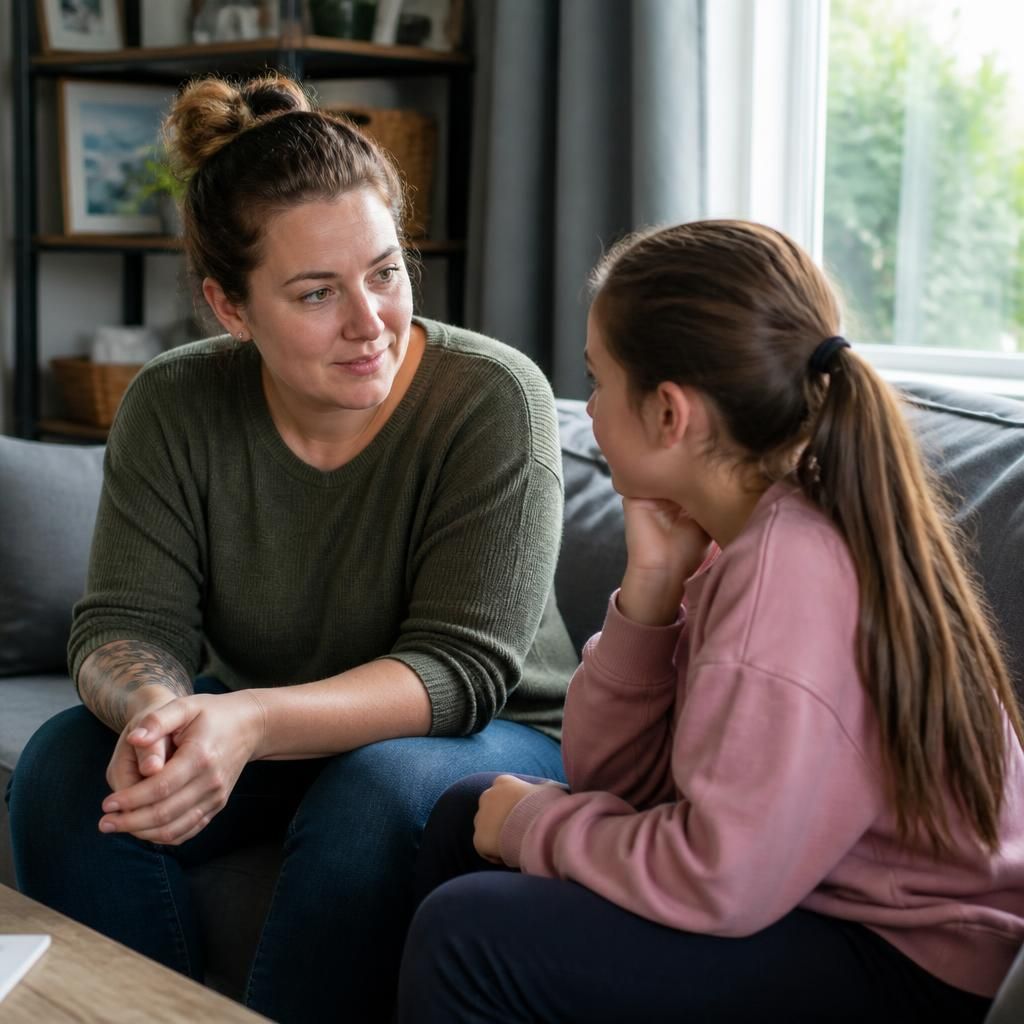
You do not need to have children of your own to foster as a single person. Relevant experience may come from caring for relatives, working with children, volunteering or other responsibilities that have helped you understand children’s needs. The assessment will consider what you have learned from these experiences and whether you can apply it to fostering, rather than expecting you to have followed one particular life path.
Discuss Your Fostering Options
If you are considering fostering as a single person, request an initial conversation with our team to discuss whether fostering could be suitable for you.