
What training is required before you start fostering?
Before you start fostering, you will complete preparatory training that explains the fostering role, safeguarding responsibilities and how to support children and young people in your care. This training forms part of your preparation and is followed by ongoing learning and support once you are approved.
Partnering with an
Ofsted Outstanding Provider
Before approval, prospective foster carers complete a structured preparation programme, usually based on the Skills to Foster framework or an equivalent course. It is designed to show what fostering involves in practice, assess your understanding of the role and help you decide whether fostering is right for your household.
The exact programme varies between fostering services, but it will normally cover:
- The role and responsibilities of a foster carer: how to provide day-to-day care while working with the child’s social worker, birth family, school and other professionals.
- Safeguarding and safer caring: recognising signs of abuse or neglect, responding to concerns, managing boundaries and reducing risks within the home.
- Children’s experiences before placement: how separation, loss, neglect, abuse, disrupted relationships and uncertainty can affect behaviour, trust and development.
- Attachment and relationships: ways to build a secure relationship with a child who may find it difficult to accept care or respond positively to adults.
- Managing behaviour: using suitable, proportionate strategies rather than physical punishment, and understanding what a child’s behaviour may be communicating.
- Identity and life history: helping children maintain appropriate links with their family, culture, religion, language and community, while respecting their individual identity.
- Working with professionals: sharing information appropriately, attending meetings, contributing to plans and keeping accurate records about the child’s care and progress.
- Health, education and development: supporting appointments, learning, routines and activities in line with the child’s needs and care plan.
- Allegations and complaints: what to do if a concern is raised about your care, how investigations may be handled and why following procedures is important.
- The effect on your household: how fostering may affect relationships, privacy, routines, work, children already living at home and the wider family network.
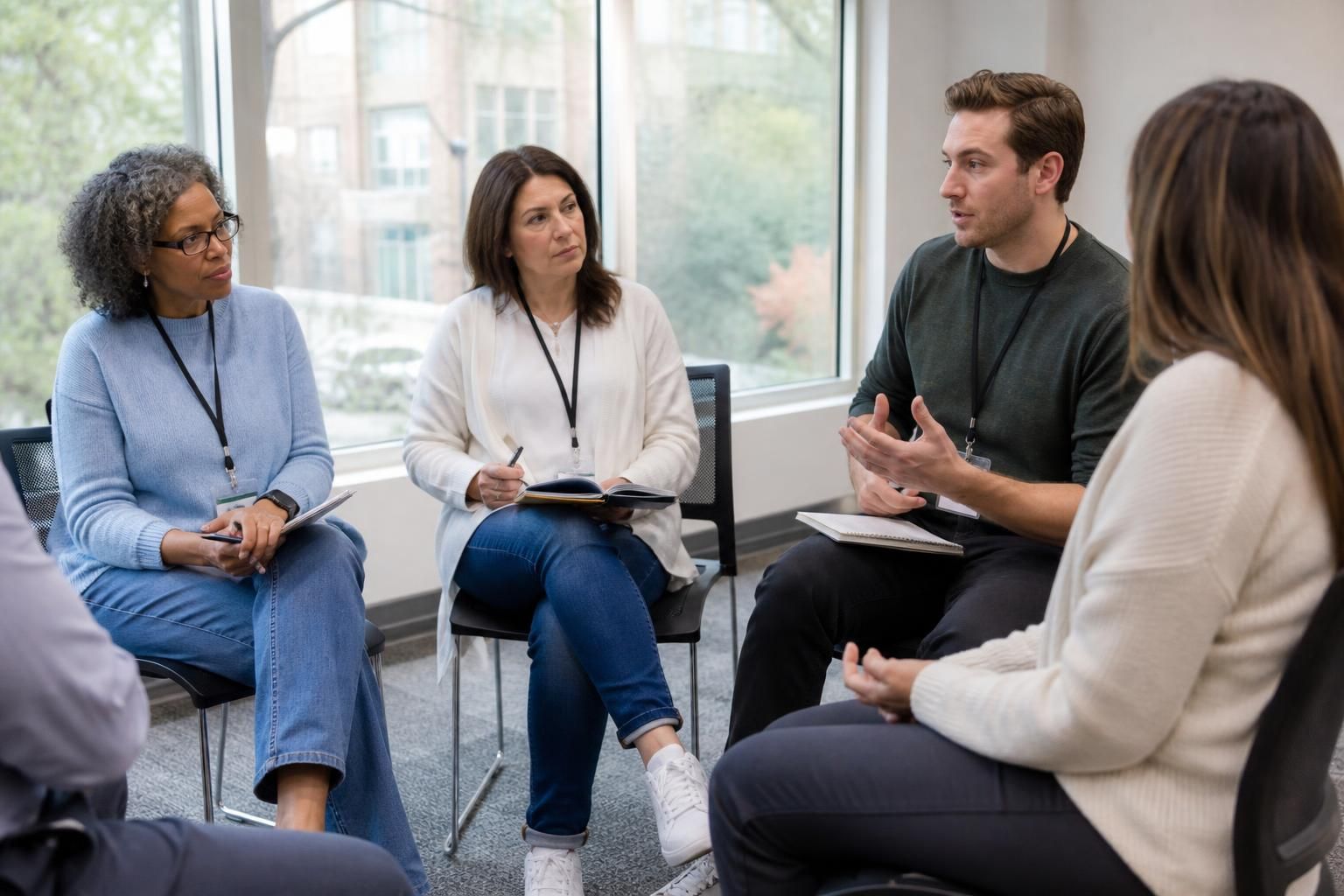
Preparation training is usually delivered through a combination of discussion, activities, scenarios and group learning. You may be asked to consider how you would respond to realistic situations, such as a child refusing to follow a routine, becoming distressed after contact with family or making a disclosure. The purpose is not to test whether you already know everything. It is to explore your judgement, attitudes and ability to learn.
You do not normally need previous childcare experience or specialist qualifications to attend the training. What matters is your willingness to understand the responsibilities involved, reflect on your own experiences and apply safer-care guidance. The training team can explain any additional requirements that apply to a particular type of fostering or placement.
Completing the course is one part of the wider approval process. Your fostering assessment will also consider your circumstances, household, health, relationships, home environment and ability to meet children’s needs. Training attendance and your participation may be discussed in the assessment, but attending a course alone does not guarantee approval.
Some learning is completed after approval rather than before your first placement. This can include further safeguarding work, first-aid training, therapeutic approaches, recording, medication, or subjects linked to a child’s specific needs. Approved foster carers are expected to continue developing their knowledge, and your supervising social worker will help identify relevant learning and support.
Before you begin, ask the fostering service:
- which preparation course you will complete and how it will be delivered;
- whether every household member needs to take part in any sessions;
- which training must be completed before approval and which can follow later;
- how missed sessions or accessibility needs will be handled; and
- how your learning will connect with the assessment and your first placement.
Good preparation should leave you with a realistic understanding of fostering, the confidence to ask questions and a clear idea of where to seek guidance. It is not expected to prepare you for every possible situation; ongoing supervision, advice and further training remain important once you are approved.

Some fostering roles require additional preparation because children may have more specific or complex needs. For example, training may explore caring for teenagers, sibling groups, children with disabilities or children who have experienced significant trauma. The focus is on understanding the needs linked to the type of placement you are considering and the practical support you may need to provide.
You should be told which learning is essential for your proposed role and whether any further training will be arranged before a particular placement is considered. This helps ensure that your skills and preparation are relevant to the children you may care for, rather than expecting one course to cover every type of fostering situation.
Ask about the training to start fostering
Speak to our fostering team to ask which preparation training applies to your circumstances and what happens next. This can help you decide whether to begin the fostering assessment process.