

Who decides whether you can become a foster carer?
Your fostering service assesses your suitability, and an independent fostering panel reviews the assessment and makes a recommendation. The agency decision-maker then considers the evidence and makes the final decision on whether you can become a foster carer.
Partnering with an
Ofsted Outstanding Provider
Responsibility is shared between the fostering service, the fostering panel and the agency decision-maker. Each has a different role: the social work assessment gathers and evaluates the evidence, the panel provides an independent recommendation, and the decision-maker determines whether approval should be granted and on what terms.
What does the fostering service do?
The fostering service manages your application and carries out the assessment. Your assessing social worker considers whether you can provide safe, consistent and suitable care for a child or young person. This involves looking at your motivation, health, relationships, household circumstances, accommodation, support network, experience and understanding of fostering.
The service also coordinates the necessary checks and references. These may include enhanced criminal record checks, local authority checks, employment or personal references, health information and checks relating to other adults in your household. The assessment considers the information as a whole rather than relying on one check in isolation.
You should have opportunities to discuss the assessment with your social worker, explain your circumstances and comment on the information being included. If something changes while your application is being assessed, tell the fostering service so that the effect can be considered properly.
What is the fostering panel’s role?
The fostering panel is a group established to consider fostering applications and make recommendations. It normally includes people with relevant social care knowledge, independent members and foster carer experience. Panel members should examine the evidence objectively rather than simply accept the assessing social worker’s conclusion.
Before the meeting, panel members receive the assessment report and relevant supporting information. They may ask questions about your circumstances, the assessment or the type of fostering you are being considered for. You may be invited to attend the panel meeting with your assessing social worker, although the exact arrangements are explained by your fostering service.
The panel considers whether you meet the requirements for approval and what approval terms would be appropriate. Those terms can describe matters such as the number, age range or circumstances of children you may be approved to foster. The panel then records its recommendation and the reasons for it.
Who makes the final decision?
The agency decision-maker, often known as the ADM, is a senior person authorised to make fostering decisions for the service. They consider the assessment, supporting checks, panel papers, the panel’s recommendation and any relevant information you have provided. The ADM is separate from the day-to-day assessment process so that the final decision is not made solely by the social worker who assessed you.
The ADM decides whether you should be approved, the terms of approval and, where relevant, whether additional information or clarification is needed before a decision can be made. The decision and its reasons should be provided to you in writing.
Can the decision-maker disagree with the panel?
Yes. The panel’s view is an important professional recommendation, but it is not the final approval decision. If the ADM reaches a different conclusion, the reasons and the process to follow should be explained in the written notice. The fostering service must follow the applicable fostering regulations and its own procedures when communicating the outcome.
If approval is not recommended or granted, you should receive information about your options. Depending on the circumstances, this may include making written representations to the fostering service or asking for an independent review through the Independent Review Mechanism. The decision letter should explain any relevant timescales, so read it carefully and ask the service to clarify anything you do not understand.
What should you ask the fostering service?
- Who is completing your assessment and who will make the final decision?
- What information will be presented to the fostering panel?
- Whether you will be invited to attend the panel meeting and how you can provide additional information.
- What approval terms are being proposed and why?
- How will you be told the outcome, and what are the available review or representation routes if you disagree?
The decision is based on your individual circumstances and the evidence gathered during the assessment. Previous childcare experience, household changes or a particular fostering preference do not automatically determine the outcome; they are considered alongside your capacity to meet children’s needs safely and consistently.
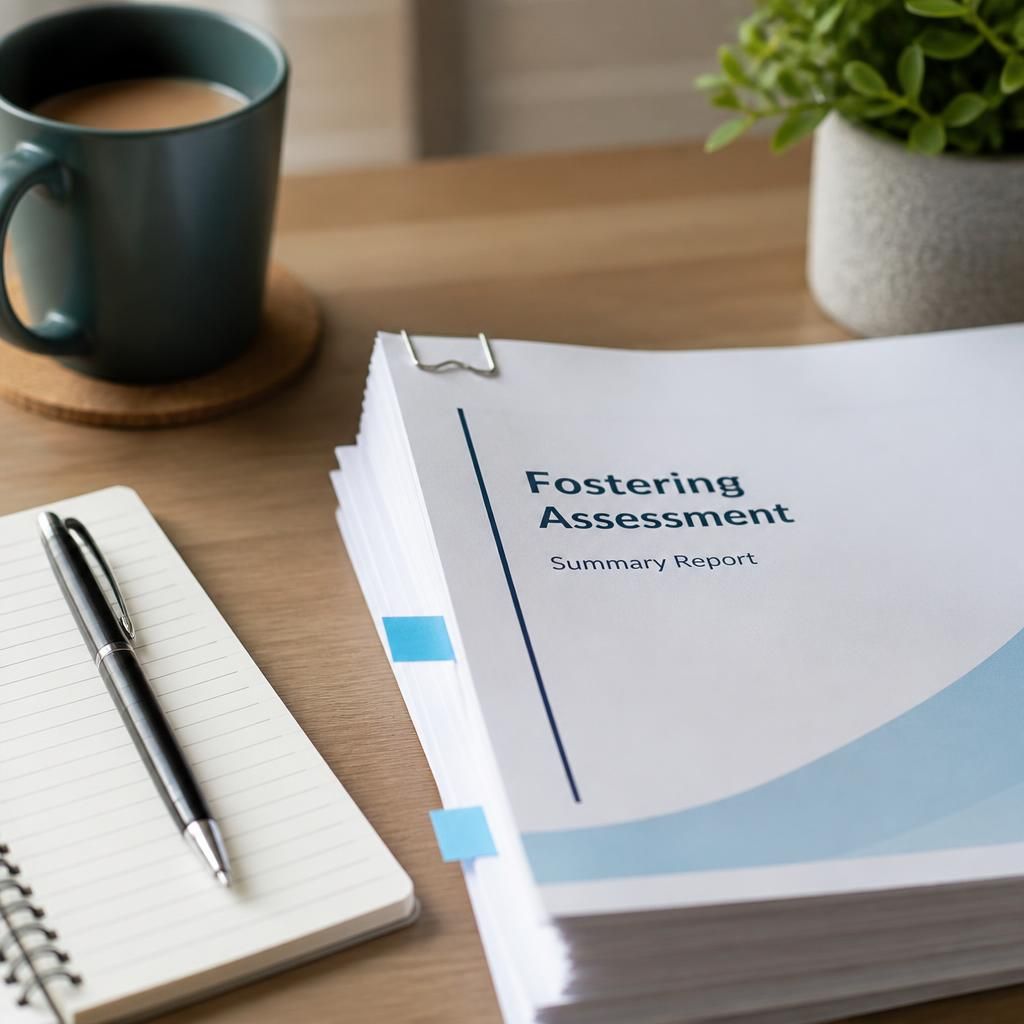
The decision to approve you as a foster carer is separate from the decision about which child or young person may be placed with you. The agency decision-maker considers your assessment and the panel’s recommendation when deciding whether you can foster. If approval is granted, the agreed terms set out the type of fostering you are approved to provide.
A separate placement decision is made later, based on whether a particular child’s needs can be safely met within those approval terms. This means approval does not give an automatic placement, and not being considered for a particular child does not necessarily mean you have been refused approval. Your fostering service should explain both decisions and how they relate to your circumstances.
Talk to us about the fostering approval process
If you are considering fostering and want to discuss how the approval process may apply to your circumstances, talk to our fostering team. We can help you understand the next steps before you decide whether to apply.