
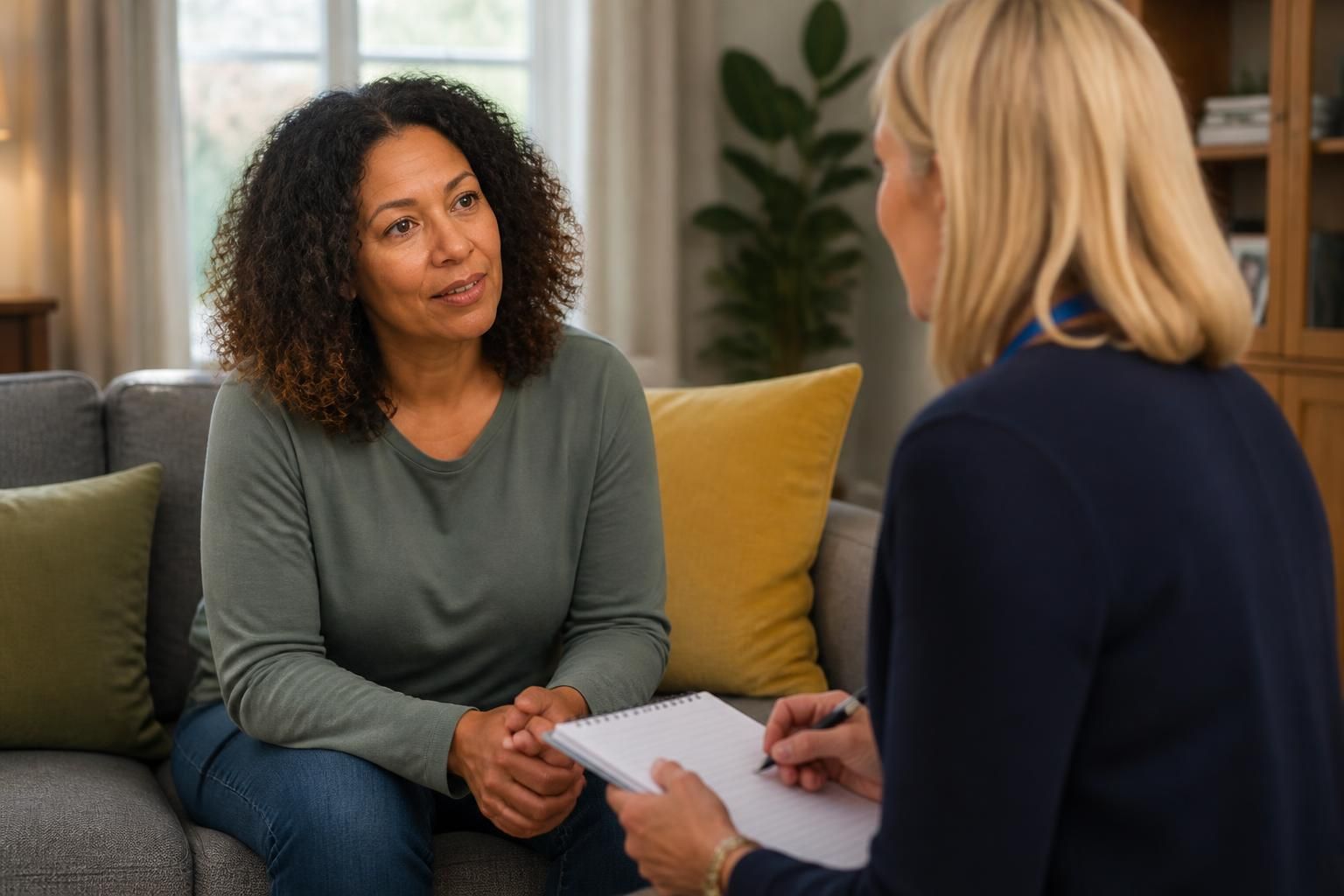
Do I need a partner to apply to become a foster carer?
No, you do not need a partner to apply to become a foster carer. Single people can foster, while couples who apply together must usually be in a stable relationship and both take part in the assessment.
Partnering with an
Ofsted Outstanding Provider
Fostering applications are assessed on the applicant’s suitability, circumstances and ability to provide safe, consistent care—not on whether they have a partner. The assessment focuses on your experience, health, home life, support network and understanding of children’s needs.
Applying as an individual
If you live alone, you can still offer a stable family environment. You will need to show how you would manage the practical responsibilities of fostering, including school routines, appointments, contact arrangements, activities and the emotional demands of caring for a child who may have experienced trauma or disruption.
Having a reliable support network is important, particularly if you need help with transport, emergencies, illness or other commitments. This might include relatives, friends or trusted members of your community. Your fostering service will want to understand who could support you and how that arrangement would work in practice. A support network does not replace your responsibility as the foster carer, but it can form part of a realistic plan for managing day-to-day care.
If you live with another adult
You can apply without your partner becoming a foster carer, but the agency will consider how everyone in the household feels about fostering. This may include a spouse, civil partner, cohabiting partner, adult child, lodger or another regular household member. Their views, involvement and ability to respect confidentiality can affect the assessment because fostering changes the routines and responsibilities of the whole household.
Other adults in the household will normally need appropriate checks, and the fostering service may speak with them as part of the assessment. This is to help establish that the home is safe, that the household understands fostering and that the proposed arrangements are suitable for a child or young person.
If your partner does not want to foster, it is important to discuss this openly before progressing too far. An individual application may be possible in some circumstances, but it would be difficult to provide consistent care if another adult in the home actively objects or is unwilling to follow the agreed expectations. The agency will consider the particular circumstances rather than applying a single rule to every household.
What the assessment considers
- Your motivation for fostering and understanding of the role.
- Your ability to provide safe, stable and respectful care.
- Your relationships, lifestyle and availability for the responsibilities involved.
- Your physical and emotional health, including any support you may need.
- Your previous experience of caring for or working with children.
- Your ability to work with social workers, schools, birth families and other professionals.
- The views and circumstances of other people who live in, or regularly visit, your home.
- The practical support available to you when fostering becomes demanding.
The application process generally includes an initial discussion, background checks, references, a health assessment, home visits, preparation training and a detailed assessment report. The report is considered by a fostering panel or decision-maker before approval. You do not need to have every answer before applying; questions about your circumstances can be explored during these stages.
Approved foster carers receive preparation and ongoing guidance, and fostering services can discuss the training, supervision and financial arrangements that apply to their scheme. Fostering allowances are intended to contribute towards the costs of caring for a child, but the amount and any additional payments depend on the service, the child’s needs and the placement.
If you are unsure whether your household circumstances are suitable, speak to Become a Foster Family before applying. You can explain who lives with you, what support you have and whether you are considering applying alone or with another adult. This allows the relevant requirements to be explained clearly before you decide how to proceed.
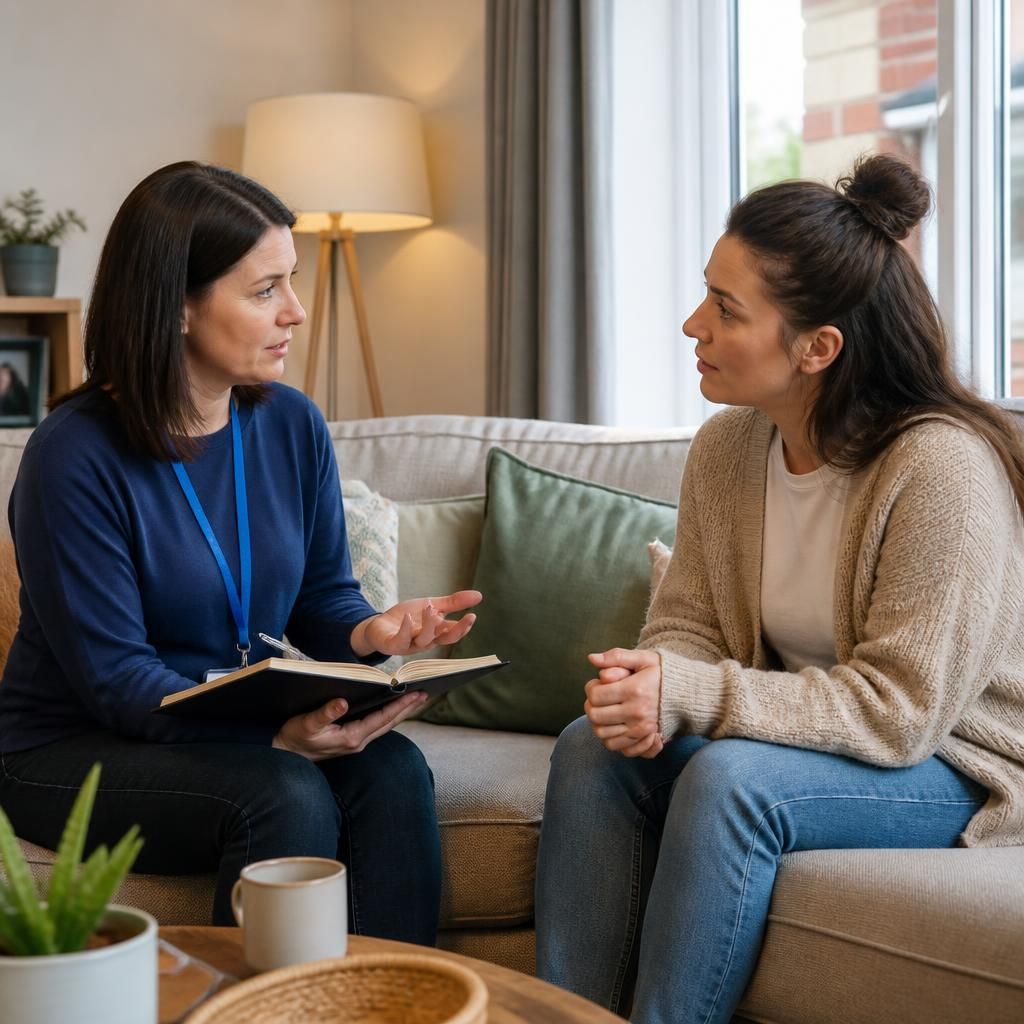
A partner is not an eligibility requirement for fostering, and you do not need to be married or in a civil partnership to apply. What matters is whether you can provide safe, consistent care and meet the responsibilities of fostering.
If you apply with a partner, the application is considered jointly. Both of you will take part in the assessment, preparation training and discussions about how you will share everyday care, respond to challenging situations and work with professionals. Your relationship will be considered in the context of the stability and support it can offer a child.
Your relationship status may change during the application or after approval. Tell your fostering service about significant changes so it can review how the proposed or current caring arrangements may affect the child’s welfare.
Discuss your fostering application with Become a Foster Family
Contact Become a Foster Family to discuss your circumstances, ask any questions about the application process and understand the next steps available to you.