
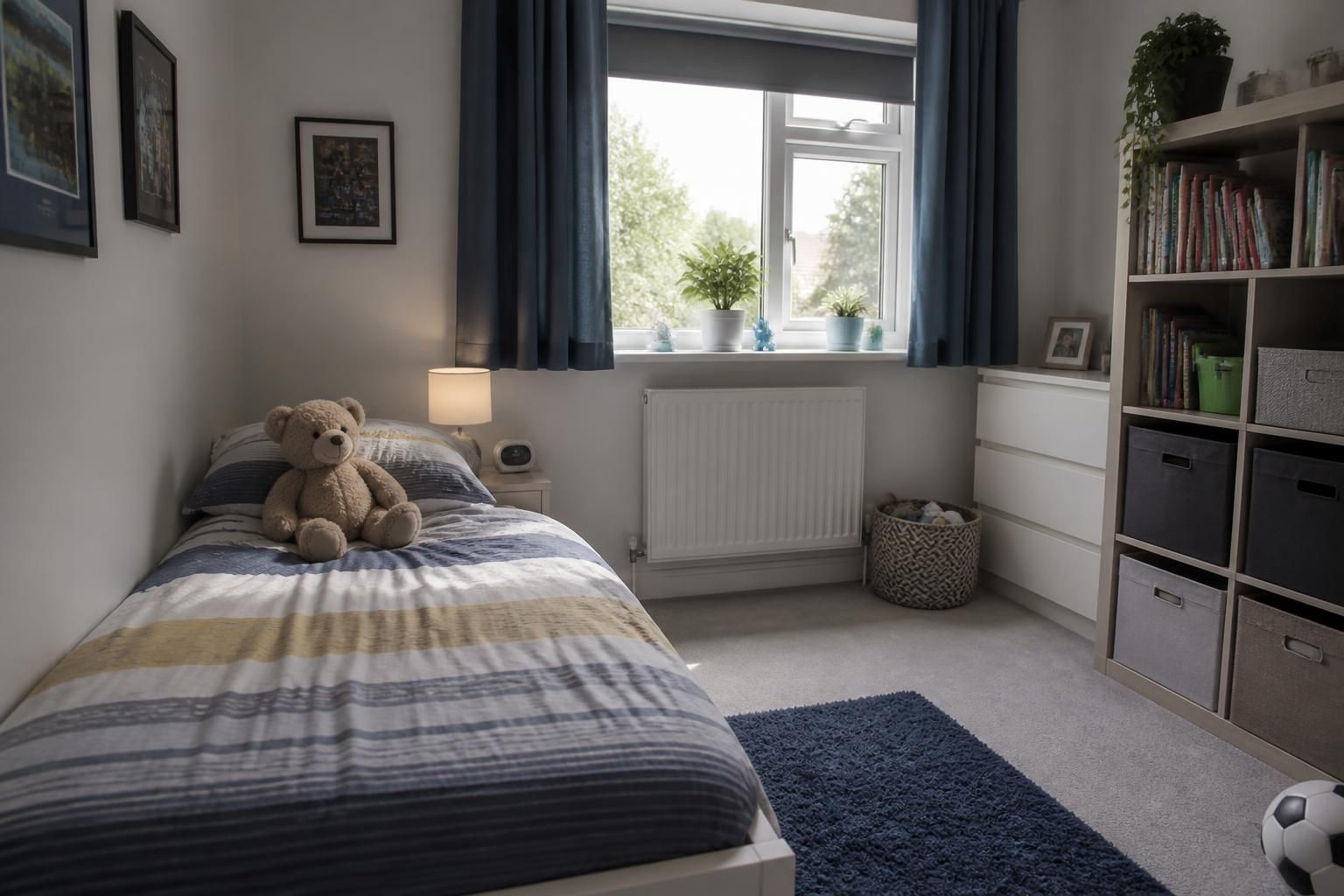
Do I need a spare bedroom to apply to become a foster carer?
Usually, you need a spare bedroom to become a foster carer, so that the child has suitable private space in your home. Exceptions can apply, such as when caring for a baby or placing siblings together, but your fostering agency will assess your accommodation and whether it is appropriate for a particular placement.
Partnering with an
Ofsted Outstanding Provider
The key issue is not simply how many bedrooms your home has, but whether the available accommodation can provide a safe, suitable and private arrangement for the child or young person you may be approved to foster. Your fostering agency will consider the room itself, who else lives in the household and the type of placements that could be appropriate.
For approval, the bedroom would generally need to be a proper, usable room rather than a temporary sleeping area. The assessment is likely to consider:
- the room’s size, layout, ventilation, heating and natural light;
- whether it has suitable furniture, storage and space for the child’s belongings;
- whether the child can have reasonable privacy and feel secure;
- access to bathroom facilities and the rest of the home;
- fire safety, including escape routes and the position of beds and furniture; and
- whether the room is genuinely available for fostering rather than being needed routinely as an office, guest room or storage space.
A child should not normally be expected to sleep on a sofa, in a communal living area or in accommodation that is only suitable for occasional guests. A room may need to be adapted or cleared before approval or before a placement can be considered. The agency may visit your home as part of the assessment and may ask for changes where these are needed to meet fostering standards.
The number, age and circumstances of children already living in the household are important. Your own children, other foster children and any other occupants may need to have suitable sleeping arrangements too. The agency will look at whether the proposed arrangement protects everyone’s privacy and safety, and whether children sharing a home could live together appropriately.
There can be specific arrangements for very young children. For example, a baby may initially sleep in the foster carer’s bedroom in suitable equipment, depending on the child’s needs and safe-sleeping guidance. Such an arrangement is not automatically suitable for every child or for the whole duration of a placement. It must be agreed as part of the placement planning and reviewed as the child grows or their circumstances change.
Sibling placements may also be considered differently from placements for unrelated children. Keeping brothers and sisters together can sometimes mean that siblings share a room, provided the arrangement is suitable for their ages, individual needs and relationship. This is assessed case by case rather than assumed to apply to every sibling group.
If you rent your home, check your tenancy agreement and speak to your landlord before making significant changes. Permission may be needed for fostering or for alterations to the property. If you live in temporary accommodation, a house share or a property with restrictions on the number of occupants, explain this at the outset so the agency can advise whether the accommodation could meet the relevant requirements.
Not having a room ready on the day you first enquire does not necessarily mean you should not ask about fostering. You can explain your current circumstances, including whether a room could become available after a move, renovation or a child leaving home. However, you should not assume that a planned change will be accepted until the agency has assessed it. A child cannot be placed until the accommodation and household arrangements are considered suitable.
It is also important to be realistic about the kind of placement your home could support. A smaller bedroom or a home with limited shared space may restrict the age range, number of children or placement arrangements available to you. This does not determine your suitability as a foster carer overall; it helps the agency identify safe and appropriate matches.
During the assessment, be ready to provide information about your household, sleeping arrangements, pets, visitors and any changes you expect to make to the property. The assessing social worker can explain what needs to be completed before approval and what may be addressed before a particular placement. Training and preparation will also help you understand how privacy, personal space, belongings and household boundaries should be managed.
If you are unsure whether your current home is suitable, contact Become A Foster Family for an initial discussion. The organisation has offices in Droitwich and Stoke, with staff across the West Midlands, including Birmingham, Worcestershire, Staffordshire, Dudley, Sandwell, Herefordshire, Telford, Wolverhampton, Shropshire, Walsall, Warwickshire, Stoke, Solihull, Coventry and Gloucestershire. A conversation about your accommodation can clarify what may be possible before you make decisions about applying or moving home.
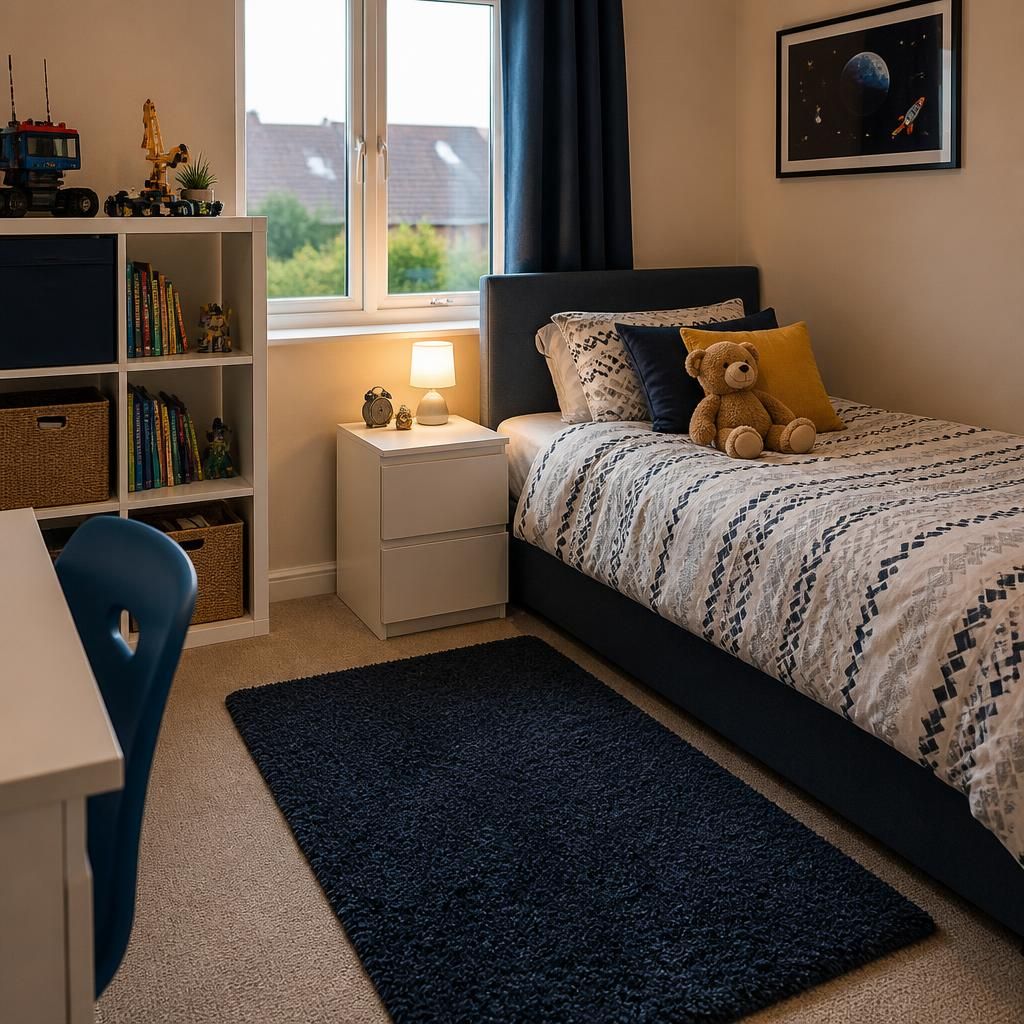
Your accommodation must remain suitable throughout the fostering process, not only on the day of assessment. If someone moves into your home, a child returns to the household, or a bedroom changes purpose, tell your fostering agency before making or agreeing to a placement. The agency may need to review the sleeping arrangements and confirm whether your approval or placement options are affected.
This is particularly important if your available space depends on a planned household change. Keeping the agency informed helps ensure that any decision about a placement is based on your current circumstances rather than arrangements that may no longer apply.
Discuss your spare bedroom and fostering application
If you are still considering whether your home could meet fostering requirements, speak with Become A Foster Family about your circumstances and the next stage of the application.