
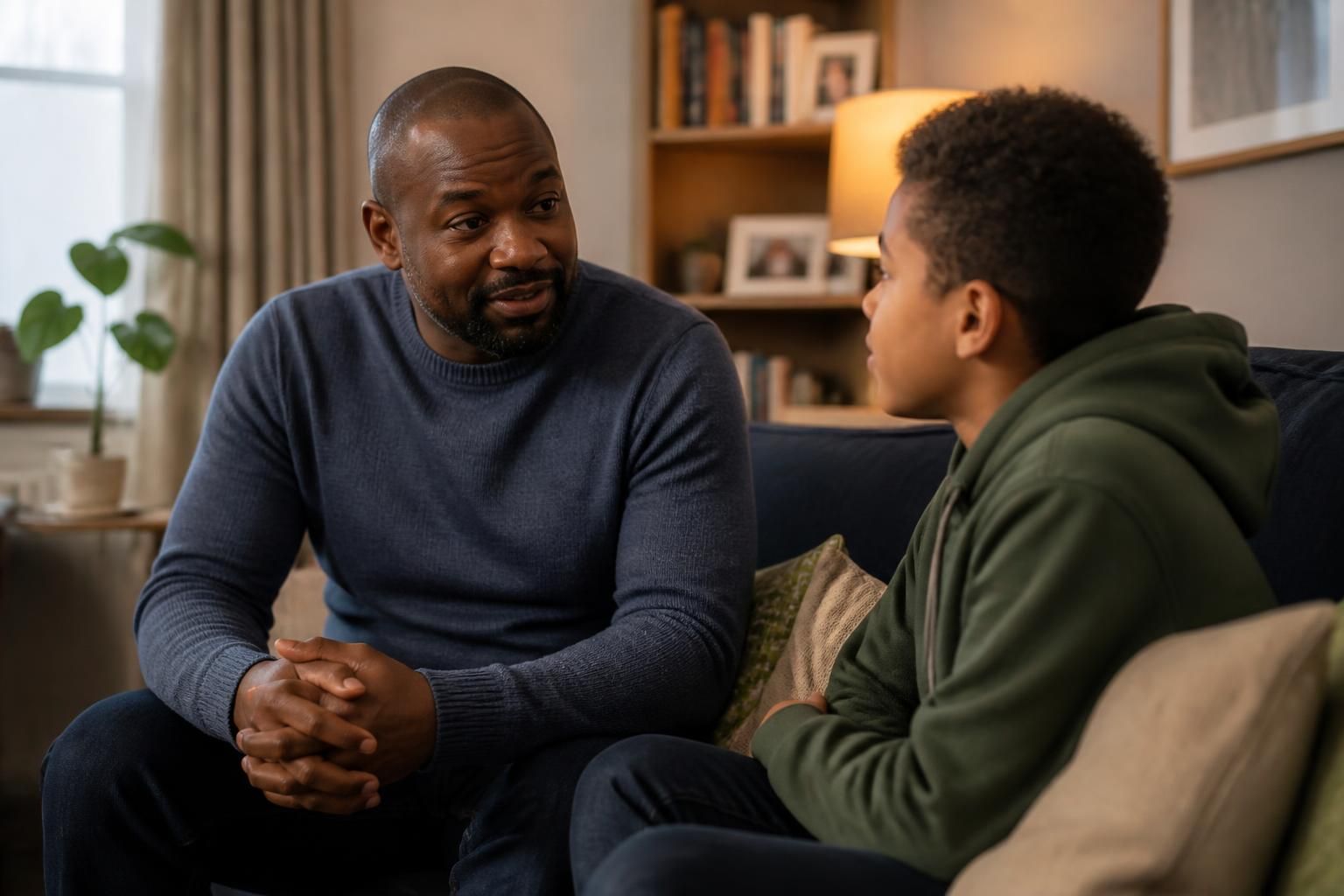
Can I become a foster carer as a single person?
Yes. Single people can become foster carers, provided they meet the usual fostering requirements and can offer a safe, stable and supportive home for a child or young person.
Partnering with an
Ofsted Outstanding Provider
Yes. A single adult can apply to become a foster carer in England. Being unmarried, divorced, widowed or separated does not prevent you from fostering. The assessment focuses on whether you can meet a child’s needs safely and consistently, rather than on whether you have a partner.
You will normally need to be at least 21, have the right to live and work in the UK, and demonstrate that your health, home and circumstances are suitable for fostering. The agency will consider your ability to provide a stable routine, respond to challenging behaviour, support education and manage contact with a child’s birth family. Your circumstances must also allow you to give fostering the time and attention required by the type of placement you are approved for.
Being single does not mean you have to manage fostering without help. During assessment, you will be expected to identify a reliable support network. This might include relatives, friends or other trusted adults who can provide practical help, emotional support or emergency assistance where appropriate. The agency will want to understand how you would manage illness, holidays, appointments and other situations when you could not care for a child alone.
If you work, you may still be able to foster. The important issue is whether your working arrangements fit the needs of the child. You should discuss your hours, travel, leave arrangements and any flexibility with the fostering agency. Some placements require more availability than others, so these details help the agency consider which types of fostering may be appropriate.
A single applicant is assessed individually, but other people in your household will also be considered. Anyone aged 16 or over who lives in your home will usually need relevant safety checks, and the agency will consider how household members feel about fostering. If you are in a relationship and live with your partner, you would generally be assessed as a couple rather than as a single applicant.
The application process usually includes:
- An initial discussion about your circumstances, motivation and the type of fostering you are considering.
- An application and checks, including criminal record, health, personal references and household information.
- Preparation training to help you understand children’s experiences, safeguarding and the practical responsibilities of fostering.
- A full assessment of your skills, support network, home life and ability to meet the needs of a fostered child.
- A recommendation to an independent fostering panel, followed by a formal approval decision.
Previous convictions do not automatically rule out an application, but safeguarding checks are examined carefully. Serious offences involving children or offences that indicate a risk to children are likely to prevent approval. Health conditions are considered on an individual basis, with attention given to whether you can safely provide care over time.
Approved foster carers receive an allowance and other financial support designed to contribute towards the costs of caring for a child. The amount and arrangements can vary according to the fostering provider, the child’s age and needs, and the placement. Ask for a clear explanation of allowances, expenses, tax and any additional payments before applying.
Become a Foster Family can explain the eligibility criteria, assessment stages, preparation training and support available to single applicants. Speaking openly about your work, health, relationships, finances and support network will help you understand whether fostering is suitable for your circumstances and what preparation may be needed.
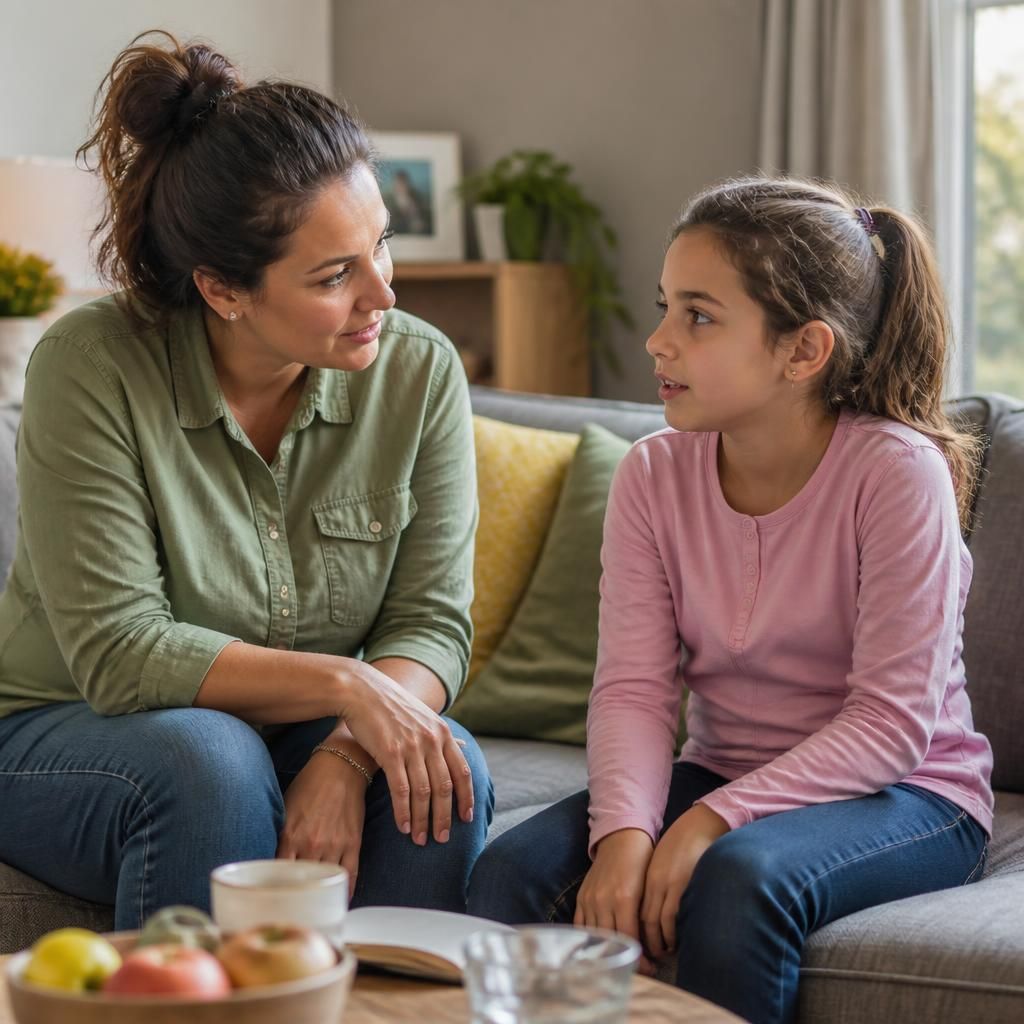
As a single foster carer, you would make the day-to-day decisions in your household, but you would not be expected to work in isolation. Fostering involves working with the child’s social worker, your supervising social worker, education and health professionals, and other people involved in the child’s care. Being able to communicate clearly, share information appropriately and take professional advice is an important part of the role.
It is also useful to consider how you respond when fostering feels demanding. Children may need patience, consistent boundaries and careful attention to their behaviour and emotions. Training and supervision can help you reflect on what is happening, adapt your approach and recognise when further guidance is needed. A realistic understanding of your own limits will help you decide whether fostering, and the types of placements available, are right for you as a single applicant.
Talk to us about becoming a single foster carer
If you are considering fostering as a single person, speak to Become a Foster Family to discuss your circumstances and any questions about the assessment process. This conversation can help you decide what to explore next before making an application.