
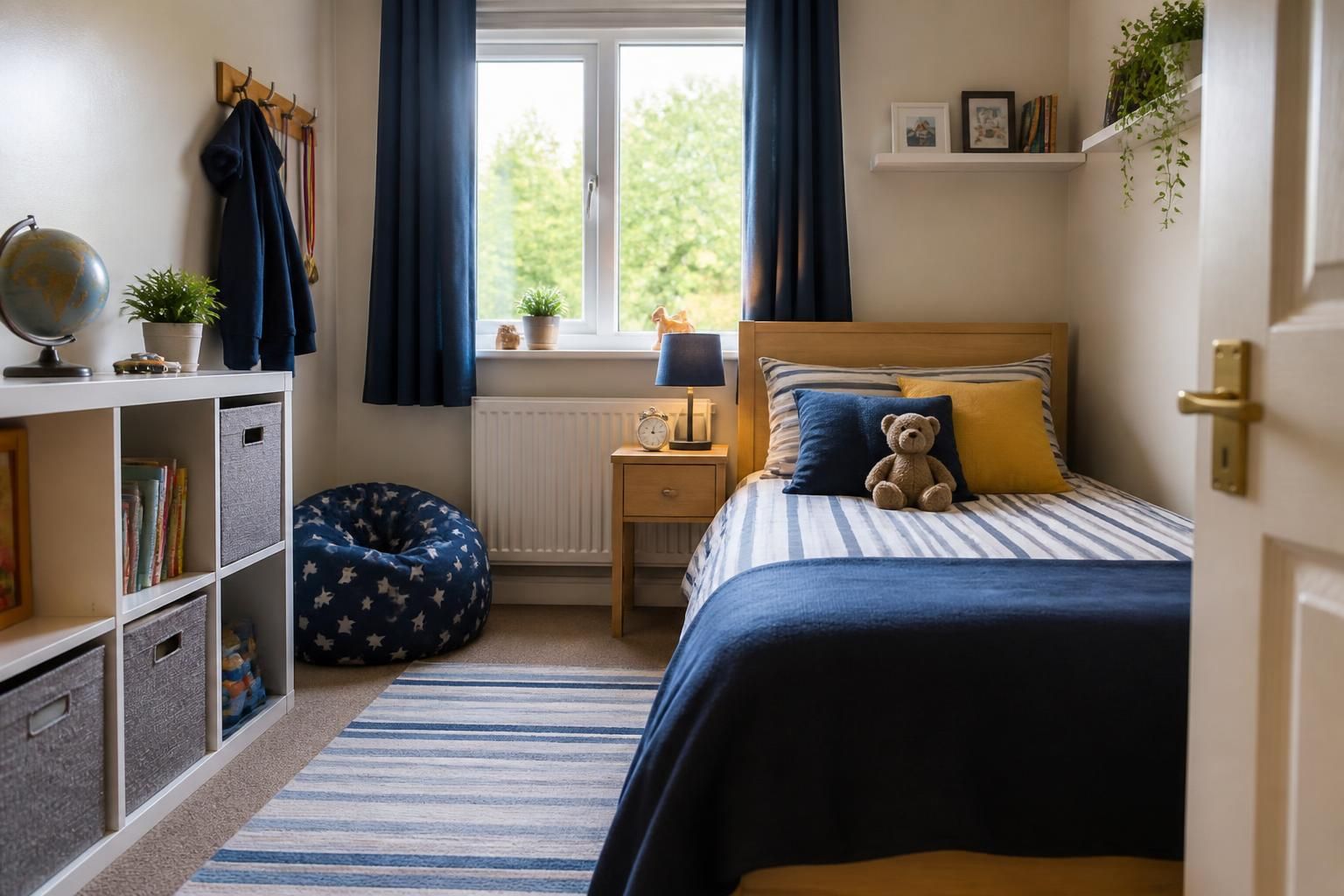
Do I need a spare bedroom to become a foster carer?
Yes, you will usually need a spare bedroom because foster children generally need their own bedroom. Exceptions may apply, such as siblings sharing, depending on the children’s ages and needs and the fostering service’s assessment.
Partnering with an
Ofsted Outstanding Provider
The room requirement is assessed as part of your fostering application, alongside the needs of the children you may care for. The space must be suitable for a child or young person to sleep, keep personal belongings and have an appropriate degree of privacy. It is not usually enough to use a sofa bed in a lounge, dining room or another shared family space.
Assessors will consider the size, layout and condition of the proposed bedroom. They may look at:
- whether the room is safe, clean, heated and adequately ventilated;
- whether it has enough space for suitable furniture, clothing and personal possessions;
- whether the child can access the room safely, including in an emergency;
- whether windows, doors, stairways and other features meet safety expectations; and
- whether the arrangement gives the child appropriate privacy and dignity.
A room does not normally need to be large or specially decorated before you enquire. However, it should be a permanent part of the home rather than a temporary space that is regularly used for another purpose. You may be able to make reasonable changes during the assessment, such as adding suitable storage, replacing furniture or improving safety features.
Room-sharing is considered according to the children’s individual circumstances. Siblings may sometimes share, particularly where this supports their relationship, but the decision depends on their ages, personal histories, behaviour, sleep patterns and assessed needs. The fostering service will also consider whether a child should share with another foster child. A foster child would not normally be expected to share a bedroom with the foster carer’s own child, although the exact requirements should be discussed during assessment.
The number of bedrooms in your home can affect which placements you are able to accept. For example, one available bedroom may limit you to one child at a time, while a suitable arrangement for siblings could involve different considerations. Having a spare room does not mean you must accept every placement offered; matching also takes account of the child’s needs, your household and the space available.
If you rent your home, check your tenancy agreement and speak to your landlord where necessary. Planning permission is not usually the main issue, but overcrowding rules, occupancy limits, lease conditions and any restrictions on adapting the property may be relevant. Home ownership is not required, but you must have a secure and suitable home for the fostering arrangement.
The assessment normally includes a home visit. This is not simply a check of whether a room exists: it is an opportunity to discuss how the space would work in practice and what changes, if any, are needed. You should be open about who currently uses each room, whether your household is likely to change and whether you are considering moving home. If your circumstances change during the application, tell your fostering service because the suitability of the proposed space may need to be reviewed.
If you do not currently have a spare bedroom, you can still ask for advice before making plans. Explain your accommodation, household arrangements and timescales so that the fostering team can tell you whether a future move or home alteration could make fostering possible. Do not commit to major changes until you understand the room standards and the types of placements that may be appropriate for your household.
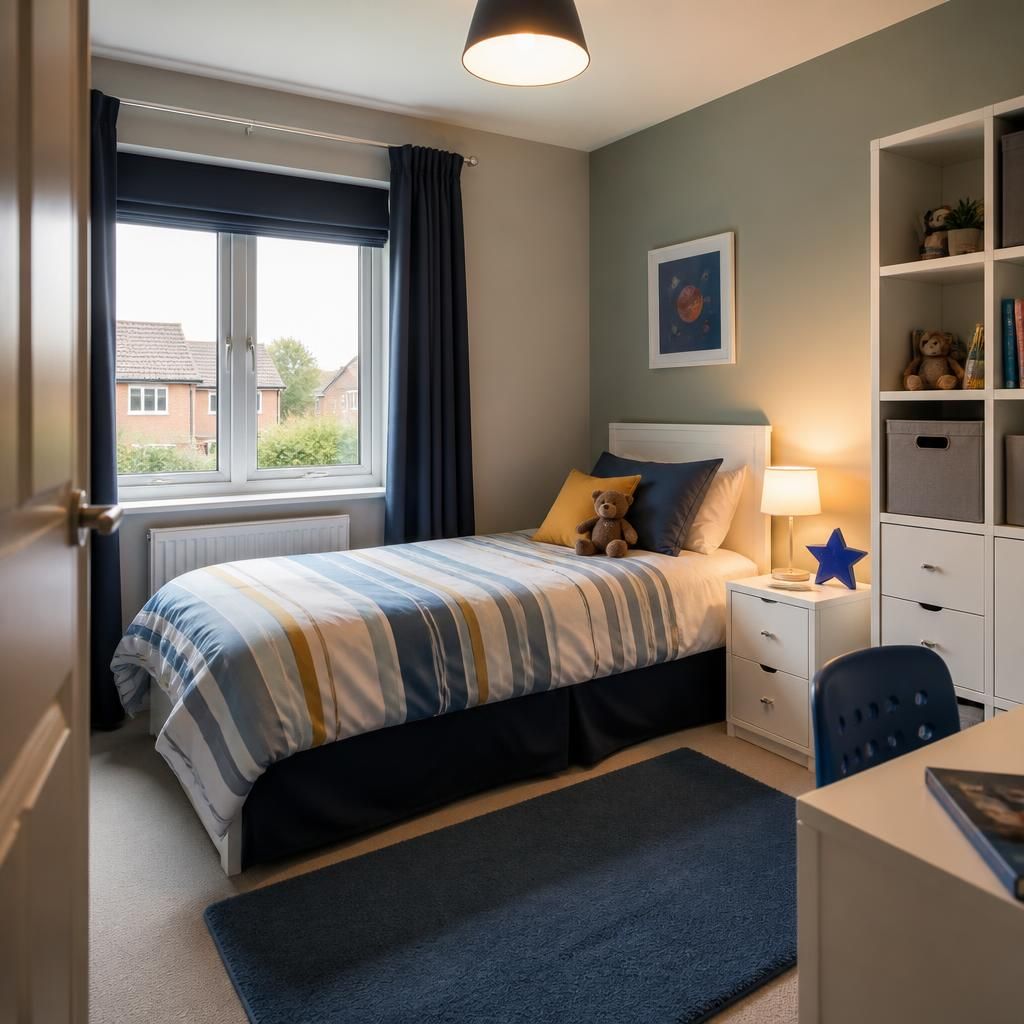
A spare bedroom is an important practical requirement, but it is not the only factor considered when you apply to become a foster carer. The assessment also looks at whether you can provide consistent care, understand the responsibilities involved and offer a safe, stable home. Your household’s views, health, background checks, references and readiness to complete fostering training may also form part of the process.
This means that having a suitable room does not guarantee approval, just as needing to make some changes to your home does not automatically prevent you from fostering. Discuss your circumstances openly with the fostering team so they can explain how your accommodation fits alongside the wider assessment.
Find out if your home is suitable for fostering
Discuss your accommodation and fostering plans with our team to understand the next steps for your application. We can help you consider how your home may fit the needs of potential placements before you make any major changes.