

Can I foster if I have pets in Coventry and Solihull?
Yes, having pets does not automatically prevent you from fostering in Coventry or Solihull. Each pet is considered individually, including its species, temperament, behaviour, health, living arrangements and how safely it could live alongside a foster child.
Partnering with an
Ofsted Outstanding Provider
Having a pet is compatible with fostering where the animal, the household and the proposed fostering arrangements can be managed safely. The assessment looks beyond the type of pet and considers how it behaves around children, how it is cared for and what safeguards would be needed for a foster child.
The assessment may cover:
- how the pet responds to unfamiliar people, noise, movement and changes in routine;
- whether it has shown aggression, possessiveness, fear or unpredictable behaviour;
- where the animal eats, sleeps and spends time in the home;
- whether it can be separated from a child when necessary;
- its health, veterinary care and general welfare; and
- the practical arrangements for exercise, supervision, cleaning and ongoing care.
This applies to dogs and cats as well as less common animals, such as rabbits, reptiles, birds, horses or other livestock. The type of animal does not by itself determine the outcome. Its individual behaviour, the level of control available and the potential risks in the home are more significant.
Why pets matter when matching a placement
Children entering foster care may have different experiences of animals. A child may be frightened of a particular pet, have an allergy, lack experience of living with animals or behave in a way that unsettles the pet. Some children may also need support to learn how to interact safely with animals. The fostering service will need to consider these factors before a placement is agreed.
A placement should not go ahead simply because a pet is normally friendly. The child’s known needs and history must be considered alongside the animal’s behaviour. For example, a dog that is calm with familiar adults may still need careful supervision around a child who is anxious, excitable or unfamiliar with dogs.
Safety arrangements that may be discussed
Depending on the circumstances, you may need to agree practical controls such as keeping a pet and child apart at certain times, supervising all contact, using gates or separate rooms, or maintaining clear rules about feeding and handling. Foster carers should never assume that a child can safely walk, feed or play with an animal without appropriate guidance.
It is also important to have a plan for situations in which the pet becomes distressed or the child’s needs change. This could include identifying a secure area for the animal, agreeing who will take responsibility for its care and explaining what action to take if either the child or the pet shows signs of fear or stress.
Information to provide during the assessment
Be open about your pets from the beginning of your enquiry and application. Useful information can include the animal’s age, breed or species, usual routine, training, medical history and any previous incidents involving children or other people. If there have been concerns about biting, scratching, chasing, guarding food or reacting strongly to visitors, these should be discussed honestly rather than minimised.
You may be asked for veterinary information or advice from an appropriately qualified professional. The assessing team may also want to see how the pet behaves in the home and discuss how its care would fit alongside fostering responsibilities. Honest information allows the assessment to identify suitable safeguards and avoid considering placements that would create an unreasonable risk.
Could a pet prevent approval?
In some circumstances, concerns about an animal may mean that additional safeguards, specialist advice or a different placement match is needed. If a pet presents a significant and unmanaged risk, fostering may not be suitable unless that risk can be addressed. This is decided through the full assessment rather than through a blanket rule about pet ownership.
Pet ownership does not remove the other fostering requirements. You will still need to complete the assessment, take part in preparation and training, and show that your household can provide safe, consistent care. If you are considering fostering in Coventry or Solihull, raise your pets with the fostering team at the earliest stage so their needs can be included in the assessment and any future matching discussions.
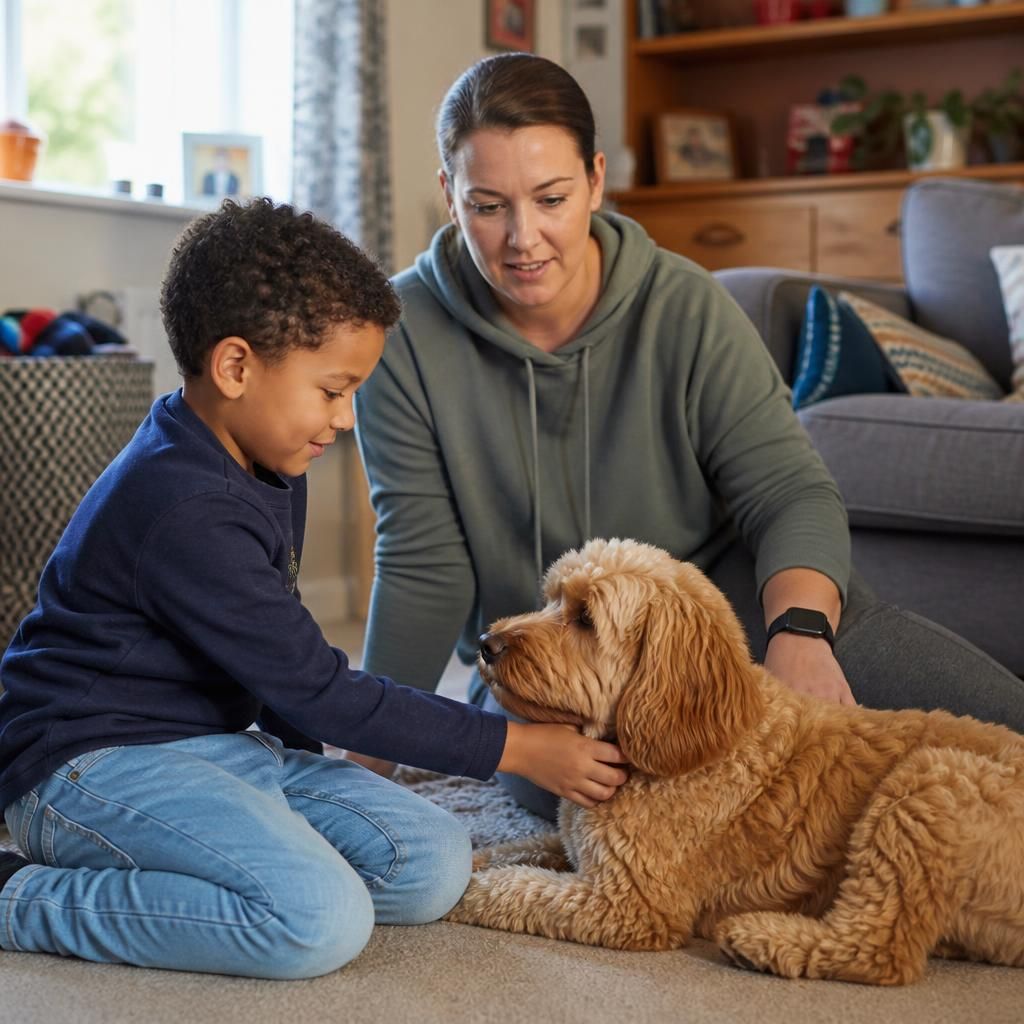
A foster child’s contact with a household pet may need to be introduced gradually and reviewed as the child settles. Their care plan can record any relevant fears, allergies, previous experiences or support needs, while the supervising team considers whether contact remains appropriate. This allows the arrangement to reflect the child’s current needs rather than assuming that interaction with the animal will be suitable from the outset.
Foster carers should share any changes they notice, such as increased anxiety around the pet, unusual behaviour from the animal or difficulties following agreed boundaries. These observations can help the fostering team review the arrangements and decide whether further guidance or changes to the placement plan are needed.
Talk to us about fostering with pets
If you are considering fostering and want to understand how your pets would be considered, speak to our fostering team about your circumstances. We can explain the next steps and what information to prepare for your enquiry.