
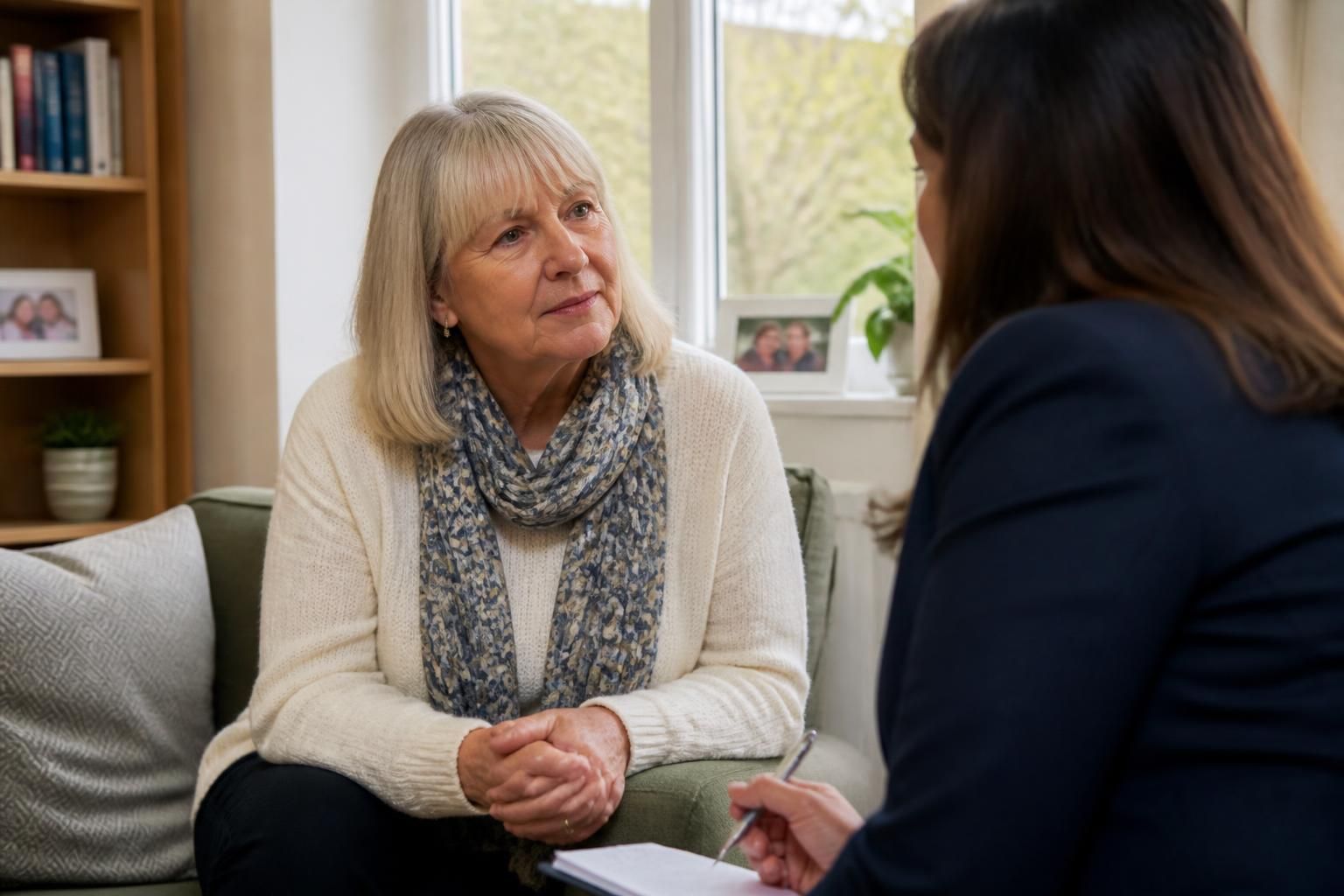
Is there an age limit for fostering in Coventry and Solihull?
There is no fixed upper age limit for fostering in Coventry and Solihull. Applicants must usually be at least 21 and will be assessed individually on their health, energy, circumstances, suitability and ability to care for a child or young person.
Partnering with an
Ofsted Outstanding Provider
Fostering decisions are based on your current ability to meet a child’s needs, rather than on a standard retirement-style cut-off. An older applicant may still be suitable where they can provide consistent care, manage the practical demands of fostering and offer a stable home environment.
During the assessment, the focus is on how your age relates to your individual circumstances. This can include:
- your physical health, mobility and day-to-day energy levels;
- your emotional resilience and ability to respond calmly to challenging behaviour;
- your capacity to manage school arrangements, appointments, meetings and other caring responsibilities;
- your plans for the future and whether you can offer continuity as a child grows;
- the availability of support from your partner, family, friends or wider network; and
- the type of fostering that may be appropriate for you.
Health is considered separately from age. You will normally need to provide medical information so that the assessing team can understand whether any existing condition, treatment or limitation affects your ability to foster. Having a health condition does not automatically prevent you from applying. The relevant question is whether you can safely and reliably meet the needs of a foster child, with appropriate support or adjustments where these are suitable.
Fostering can involve more than providing a spare room and a caring relationship. Depending on the placement, you may need to manage changes in routine, attend professional meetings, support contact arrangements with birth family, respond to distress and help a child develop practical and emotional stability. The assessment considers how you would manage these responsibilities in real life, not simply how old you are.
Your circumstances may also change over time. If you are approaching retirement, for example, the assessment may consider how your daily routine, income arrangements, health or support network could affect fostering. This is not an automatic reason to rule out an application; it helps establish whether the proposed arrangement is sustainable for both you and the child.
The application process gives you opportunities to discuss these issues before a final decision is made. You can ask about the kinds of placements that might be suitable, complete preparation training, and explore any further development or support needs identified during the assessment. The assessing team gathers information from several sources before making a recommendation, rather than relying on age as a single deciding factor.
If you are unsure whether your age, health or circumstances could affect your eligibility, it is sensible to discuss this at the initial enquiry stage. Be open about relevant information and ask how it would be considered. This allows the assessment to focus on the type of care you could realistically provide and the support that may be needed.

For couples applying to foster, the age of each applicant is considered individually. A difference in age between partners is not, by itself, a reason to refuse an application. Both people must be able to meet the responsibilities of fostering and contribute safely and consistently to the care provided.
Age can also change during a fostering career. Reassessment and regular reviews consider whether your circumstances continue to support fostering, including any changes to your health, energy, routine or future plans. Reaching a particular age does not automatically end your approval; the focus remains on your continuing ability to meet the needs of the child placed with you.
Discuss your fostering eligibility in Coventry and Solihull
Contact our fostering team to discuss your circumstances, ask questions about eligibility and understand the next steps in the application process.