
What bedroom requirements apply to foster carers in Nuneaton and Bedworth?
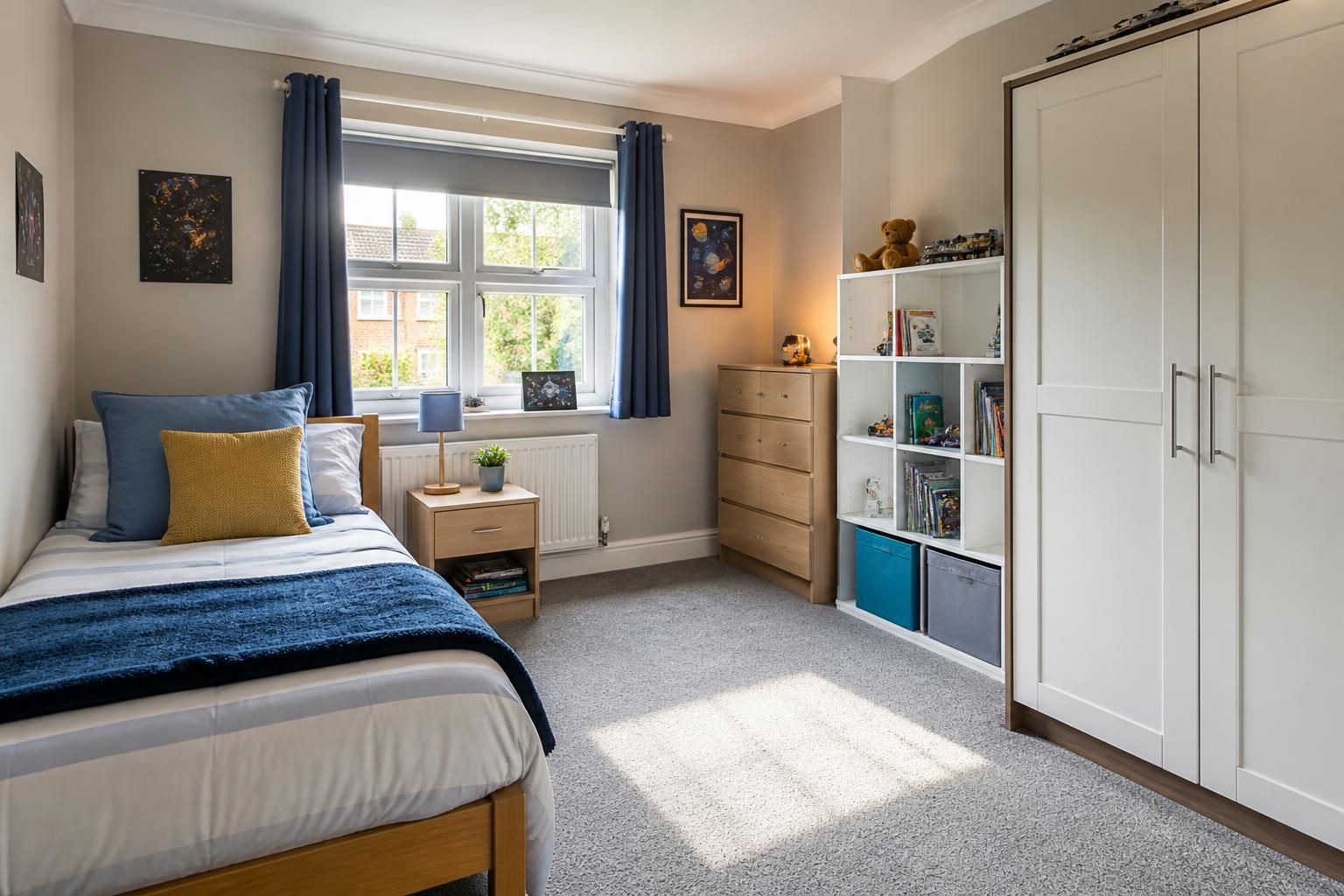
In Nuneaton and Bedworth, a foster child will usually need their own bedroom, with enough space for sleeping, storing belongings and personal privacy; the room must be clean, suitable and safe. Exceptions may apply for approved sibling placements or particular circumstances, but your fostering assessment will consider the bedroom, household arrangements and the child’s age, needs and welfare.
Partnering with an
Ofsted Outstanding Provider
Bedroom suitability is assessed as part of your fostering application, rather than judged by the number of rooms alone. The assessing team will look at the room’s size, layout, condition, privacy, safety and practical use, then consider whether it is appropriate for the age, gender, needs and circumstances of a child who may be placed with you in Nuneaton or Bedworth.
What the room should provide
- A suitable sleeping area: the room should accommodate an appropriate bed and allow the child to move around safely without the space feeling overcrowded.
- Personal storage: there should be enough accessible storage for clothes, shoes, school items, toys and personal belongings. A child should not be expected to live out of bags or share all their storage with other household members.
- Privacy: the child should be able to use the room as their own personal space, with suitable arrangements for changing, sleeping and keeping belongings private.
- Good condition: walls, flooring, windows, heating and furnishings should be maintained, clean and free from hazards. The room should be suitable for regular use, not merely a temporary or unfinished space.
- Safe access: the route to the bedroom, stairs, windows, electrical fittings and any furniture will be considered. Potential hazards should be identified and addressed before approval.
The room does not usually need to be decorated in a particular style or contain expensive furniture. What matters is that it is welcoming, usable and appropriate for the child. You should also be prepared to make reasonable changes if a child’s needs become clearer during matching or after placement.
Can a foster child share a bedroom?
Bedroom sharing is considered carefully and is not automatically accepted. A child’s age, sex, relationship to another child, personal history and individual needs all matter. Siblings may sometimes share where this supports their welfare and the arrangement is safe and suitable. Sharing between unrelated children may be subject to stricter conditions, and a child who has experienced abuse, exploitation, disrupted care or significant trauma may need particularly careful consideration of personal space.
The assessing social worker will also consider the needs of children already living in the household. A proposed arrangement must protect everyone’s privacy and safety; it should not be assumed that an available room can be shared simply because there is physical space for another bed.
Rooms and arrangements that may need further discussion
A bedroom used as a passageway, a room with no reliable privacy, or a space that is also needed for another essential purpose may not be suitable. Converted rooms, loft rooms, annexes and rooms separate from the main home may require additional checks, particularly regarding safe access, heating, fire safety and supervision. The agency will explain what evidence or inspection is needed in your circumstances.
Babies and very young children may have different sleeping arrangements from older children, but these must follow safe-sleep guidance and the requirements agreed with the fostering agency. A child should not be placed in a sleeping arrangement that has not been assessed as suitable.
Safety checks before approval
As part of the fostering assessment, the household will need to consider fire precautions, smoke and carbon monoxide alarms where relevant, safe window access, electrical safety, heating, trip hazards and the position of furniture. Medicines, cleaning products, harmful substances and other hazardous items must be stored securely. The room should also be included in the household’s safer caring arrangements, including guidance about supervision, privacy and entering bedrooms.
Foster carers should not assume that privacy means a child can be completely unsupervised in every circumstance. Safer caring plans set out how adults and children use bedrooms and bathrooms, how privacy is respected, and what happens if a child needs help at night or is at risk of harm. These arrangements are individual to the child and should be explained in a clear, age-appropriate way.
When is the bedroom assessed?
Your bedroom arrangements are discussed during the initial enquiry and home assessment, then checked as part of the wider fostering assessment. The assessor may ask to see the proposed room, discuss who currently uses it, and consider whether it would remain available for fostering. Any changes needed should be identified before approval rather than left until a child arrives.
Approval is based on the type and number of placements you are considered able to offer. Having one spare bedroom does not mean every placement would be suitable. Matching decisions take account of the child’s needs, the household, other children, pets, school and contact arrangements, as well as the physical accommodation.
If your circumstances change, such as moving home, changing who uses a bedroom or wanting to care for a different age group, tell your fostering team before making new arrangements. The agency can review whether the proposed bedroom remains appropriate and advise on any further assessment required.
In practice, the best preparation is to keep the room available, remove hazards, provide practical storage and avoid making assumptions about who will share it. Your assessing worker can explain how the relevant fostering standards apply to your home and help you understand any changes needed before approval.
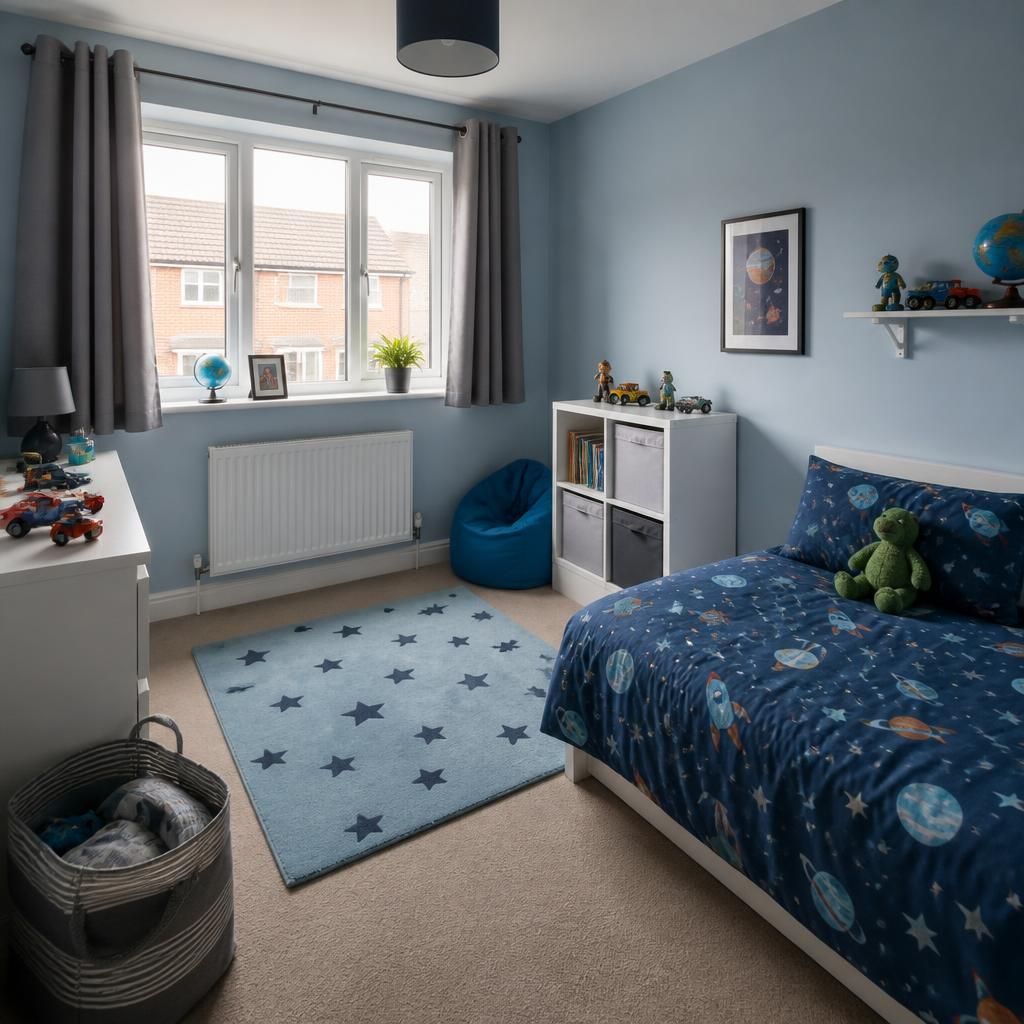
A foster child’s bedroom must be suitable for the placement being considered, including where the home is rented or the room is in an unusual part of the property. If you rent your home, check your tenancy agreement and obtain any permission required before making changes or accepting a placement. Loft rooms, converted spaces and accommodation outside the main home may need additional consideration because access, heating, privacy and supervision can differ from a standard bedroom.
Discuss the proposed room with your fostering assessor before rearranging furniture or carrying out alterations. The important question is whether the accommodation gives the child a stable, usable personal space that fits their particular circumstances—not whether the room matches a fixed decorative standard.
Ask about your bedroom requirements for fostering
Contact Become a Foster Family to discuss your proposed bedroom arrangements and understand what to prepare for your fostering assessment.