
Can I foster if I have pets in Shrewsbury?
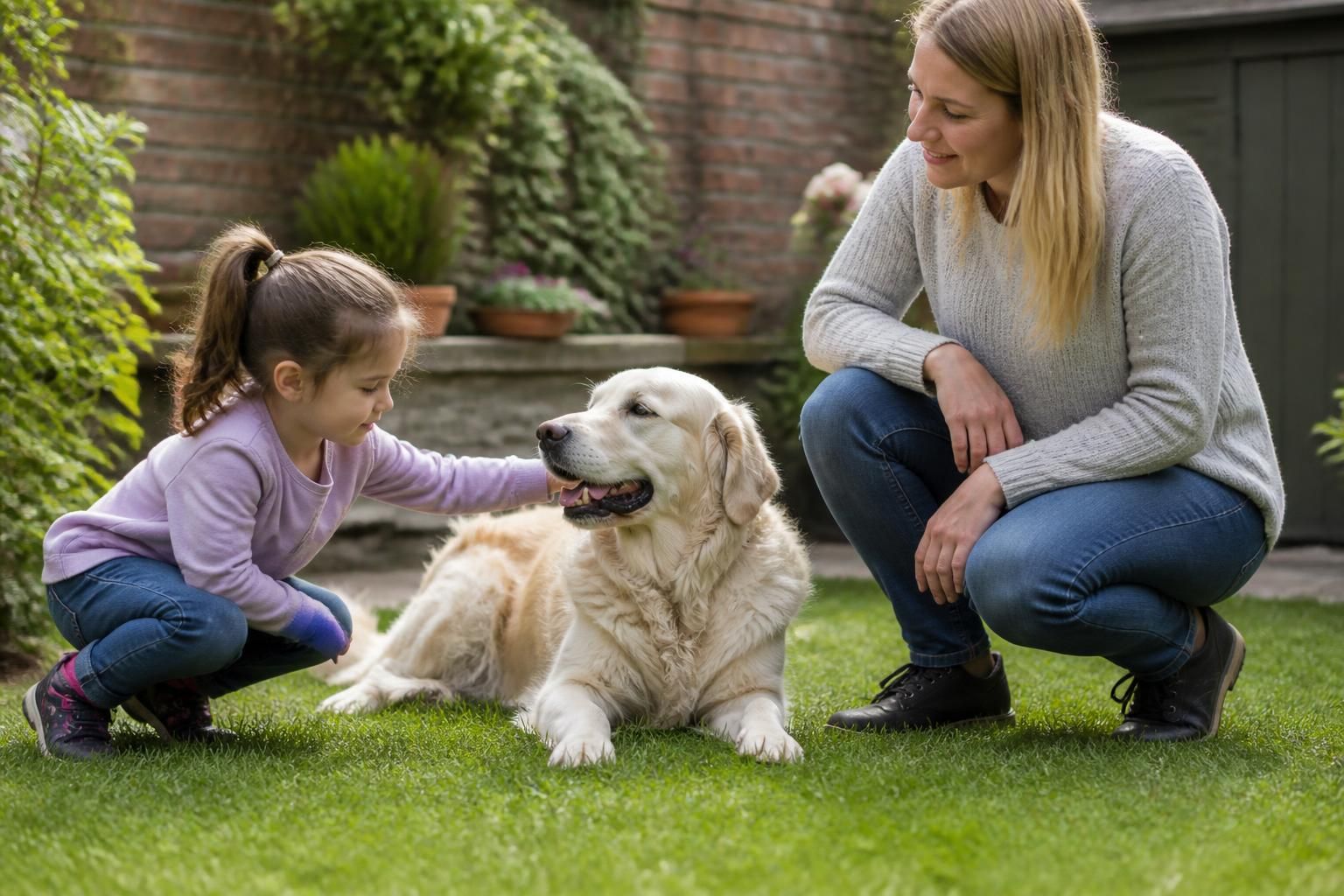
Yes, you may be able to foster if you have pets. Your pets will be considered during the fostering assessment to establish whether they are safe, well managed and suitable for the children or young people likely to be placed with you.
Partnering with an
Ofsted Outstanding Provider
Having pets does not automatically prevent you from fostering, but the fostering assessment will examine how animals are cared for and how they may affect the safety and wellbeing of a fostered child. The assessment considers your individual circumstances, your pets’ behaviour and the needs of children who may be placed with you.
Your assessing social worker is likely to discuss:
- the type, number and size of your pets;
- their age, temperament, health and general behaviour;
- how they respond to children, visitors and changes in the household;
- where they sleep, eat and spend time;
- how you manage them around children and during busy or stressful situations;
- whether they are appropriately cared for and, where relevant, vaccinated and registered with a vet; and
- any previous concerns, incidents or behaviours that could create a safeguarding risk.
This can apply to dogs, cats and smaller domestic animals, as well as birds, reptiles, horses or other animals kept at the property. The type of animal matters because each presents different practical considerations. For example, a large dog, animals that require specialist handling or pets kept in outdoor buildings may need a more detailed risk assessment than a small caged animal.
The assessment also considers the needs and experiences of children who may be referred to you. A child may have an allergy, a fear of animals, limited experience of caring for them or a history that makes contact with animals unsafe or distressing. Some children may need a home where pets can be kept separately. Other placements may be unsuitable if an animal is territorial, unpredictable, aggressive or unable to tolerate noise and disruption.
You may be asked to show how you would manage contact between a child and your pets. This could include using stair gates, secure outdoor areas, suitable cages or other separation arrangements. Children should not be left unsupervised with an animal, particularly where their age, behaviour or history means that the risks are not yet well understood. You will need a clear plan for supervising interactions and responding if either the child or the animal becomes anxious.
Pet ownership is considered as part of the wider household assessment. The fostering team may speak with other adults in your home and take account of the space available, sleeping arrangements, household routines and any existing responsibilities involved in caring for your animals. If you rent your home, you may also need to check that your tenancy permits both pets and fostering.
It is important to be open about every animal living at or regularly visiting your home. This includes pets that are kept outside or normally have limited contact with the household. Withholding information could make it harder to plan safely for a placement. If you acquire a new pet after approval, tell your supervising social worker so that the circumstances can be reviewed before a child is placed.
Training and ongoing support can help you manage the practical relationship between pets and fostering. This may include safer-care guidance, supervision expectations, household boundaries and planning for introductions. The suitability of a particular placement is considered individually, so approval to foster does not mean that every child will be able to live safely alongside your pets.
If the assessment identifies a concern, the outcome may involve additional safety measures, keeping the child and animal apart, obtaining further professional advice or considering only placements whose needs are compatible with your household. In some circumstances, a particular pet or placement may mean that fostering is not appropriate at that time. Your local fostering team can explain what information is needed and how your pets will be considered throughout the assessment.
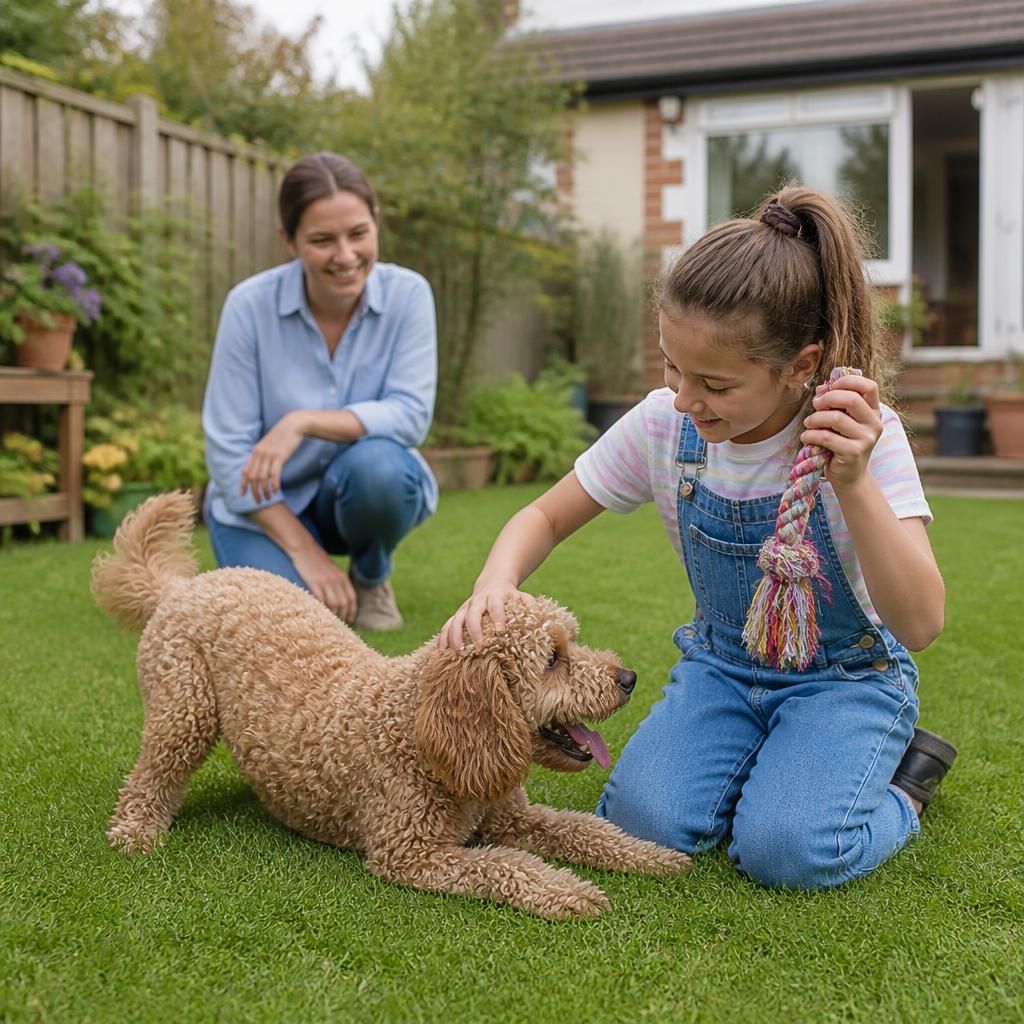
Fostering does not make a child responsible for looking after your pets. Pet care remains the adults’ responsibility, while a foster child’s involvement should be optional, age-appropriate and supervised. Some children may enjoy helping with feeding or grooming, but others may feel uncomfortable around animals or need time before taking part.
When discussing your pets with the fostering team, explain the routines you already follow and how you would maintain them alongside the child’s daily care, school arrangements and contact plans. This helps establish whether pet-related activities can be included safely without placing pressure on the child or disrupting the animal’s normal care.
Find out more about fostering with pets in Shrewsbury
If you are considering fostering in Shrewsbury, contact our team to discuss your household and find out what information to prepare for your initial fostering enquiry.