
How does a Shrewsbury fostering agency assess your household?
A Shrewsbury fostering agency assesses your whole household to decide whether it can provide a safe, stable and suitable home for a child or young person. The assessment considers your home environment, family relationships, practical circumstances and readiness to meet a child’s individual needs.
Partnering with an
Ofsted Outstanding Provider
A Shrewsbury fostering agency assesses your household through a structured process covering your home, relationships, lifestyle, health, finances and ability to meet a child’s needs. The assessment is not simply a property inspection. It considers whether fostering can be managed safely and consistently alongside the circumstances of everyone living in, or regularly visiting, your household.
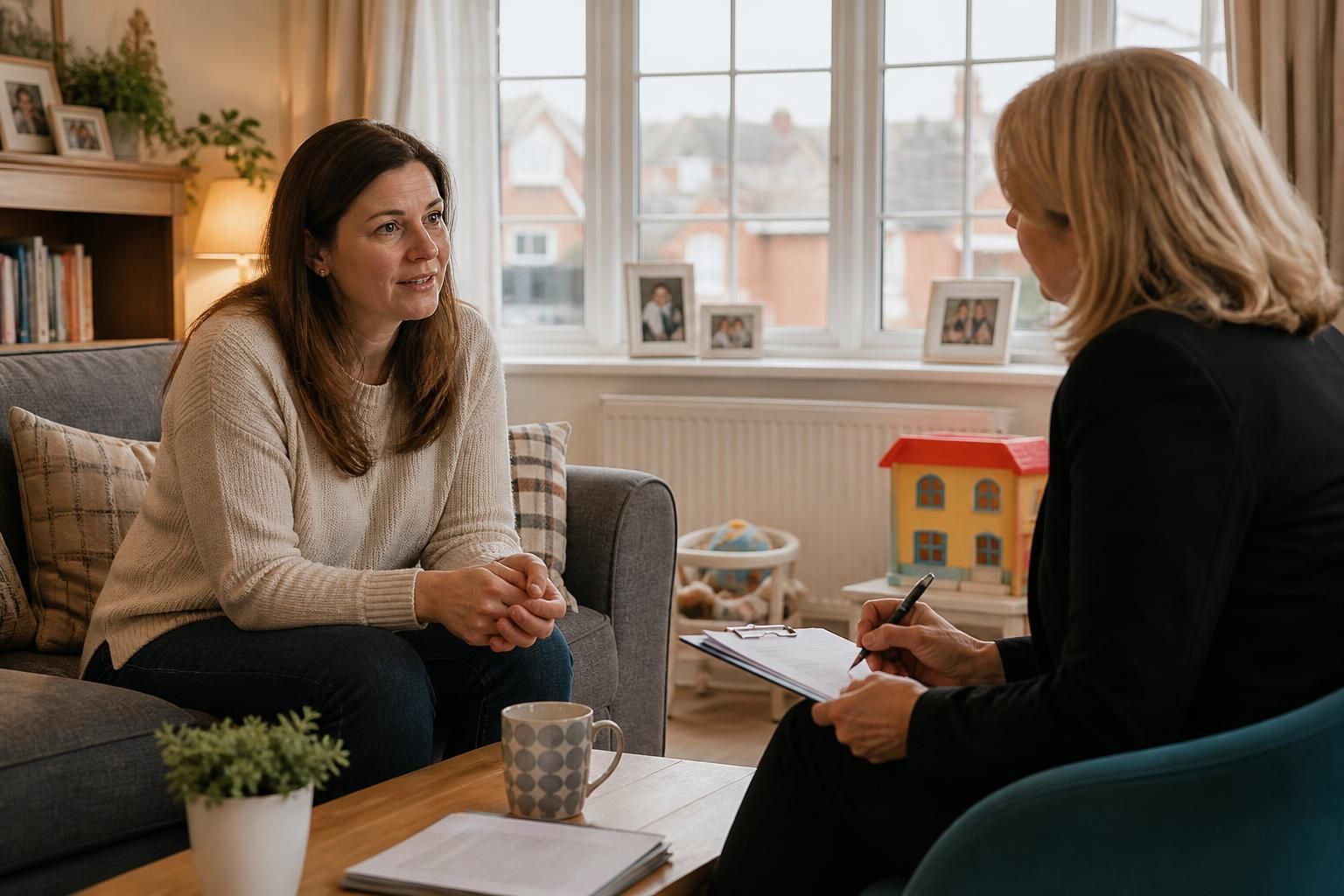
The process usually begins with an initial discussion and a home visit. This gives the assessing social worker an opportunity to understand your reasons for fostering, your household routines and the type of fostering you are considering. You can also discuss practical questions, such as how fostering may affect work, relationships, personal commitments and existing children.
During the home assessment, the social worker will consider whether the property provides a suitable environment for a foster child. Areas normally explored include:
- where a foster child would sleep and how their privacy would be protected;
- general safety, security and suitability of the accommodation;
- space for belongings, study, play and everyday activities;
- how household pets are managed around children;
- access to outdoor areas and the local community where relevant; and
- whether the home can support the needs of the children you may be approved to foster.
The condition of your home does not need to be perfect or highly furnished. The important considerations are safety, cleanliness, stability, adequate space and whether any identified changes can reasonably be made before a child is placed. The agency will explain what needs attention rather than expecting you to anticipate every requirement.
Household relationships are assessed because fostering affects everyone. The social worker may speak with you and other members of the household about communication, boundaries, privacy, managing disagreements and responding to change. If you have children, their views and feelings will be considered in an age-appropriate way. Adult household members may also need to take part in discussions and complete the relevant checks, even if they are not applying to foster.
Your practical capacity is examined alongside your home. This includes your employment pattern, childcare arrangements, transport, finances, health and the support available from relatives, friends or other trusted adults. The assessment looks at whether you can attend meetings, take children to appointments and activities, work with professionals and maintain reliable routines. Financial stability is relevant, but fostering should not be assessed on the assumption that payments will replace employment income; the agency can explain allowances and financial expectations separately.
The agency will also explore your experience, attitudes and ability to care for children who may have experienced trauma, loss or disrupted relationships. You do not necessarily need previous childcare experience. Instead, the assessment considers your willingness to learn, reflect on your approach and adapt care to an individual child. Preparation training helps you examine subjects such as safeguarding, safer caring, behaviour, identity, attachment and working with a child’s family.
As part of the wider assessment, the agency gathers information from appropriate professional and personal sources. This may include health information, employment or personal references and statutory checks. These checks help establish whether there are circumstances that could affect approval or require further consideration. They are considered alongside interviews and home visits rather than treated as the only measure of suitability.
The assessing social worker will usually record your circumstances, strengths, support needs and any areas requiring further work in a formal assessment report. You should have opportunities to correct factual errors and discuss the conclusions. The report is then considered through the fostering approval process, which may include a fostering panel and a final decision by the agency’s decision-maker.
A household assessment can identify conditions or recommendations, such as completing particular preparation, making a safety change at home or agreeing how support will be provided. Approval is also likely to specify the number, age range or characteristics of children you can foster. These decisions are based on your household’s assessed capacity, not on a general assumption that every foster family can meet every child’s needs.
Before starting, it is useful to discuss fostering openly with everyone affected, consider how your routines would change and identify people who could provide practical or emotional support. Being honest about challenges, health matters, pets, work and family relationships gives the assessing social worker a more accurate picture and allows suitable support or solutions to be considered.

A household assessment also explores how family members might respond to realistic fostering situations, rather than relying only on general statements about being willing to foster. The assessing social worker may discuss scenarios involving challenging behaviour, contact with a child’s birth family, changes to household routines, confidentiality and safeguarding concerns.
These conversations help show how the household communicates, makes decisions and manages pressure. They also give everyone an opportunity to identify questions or boundaries that need further discussion before approval. The aim is to understand how the household would work together in practice and whether additional preparation or support should be included in the assessment recommendations.
Discuss your household assessment for fostering in Shrewsbury
If you are considering fostering in Shrewsbury, contact our team to discuss your household circumstances and ask questions about the assessment process. This conversation can help you understand what to expect before deciding whether to apply.