
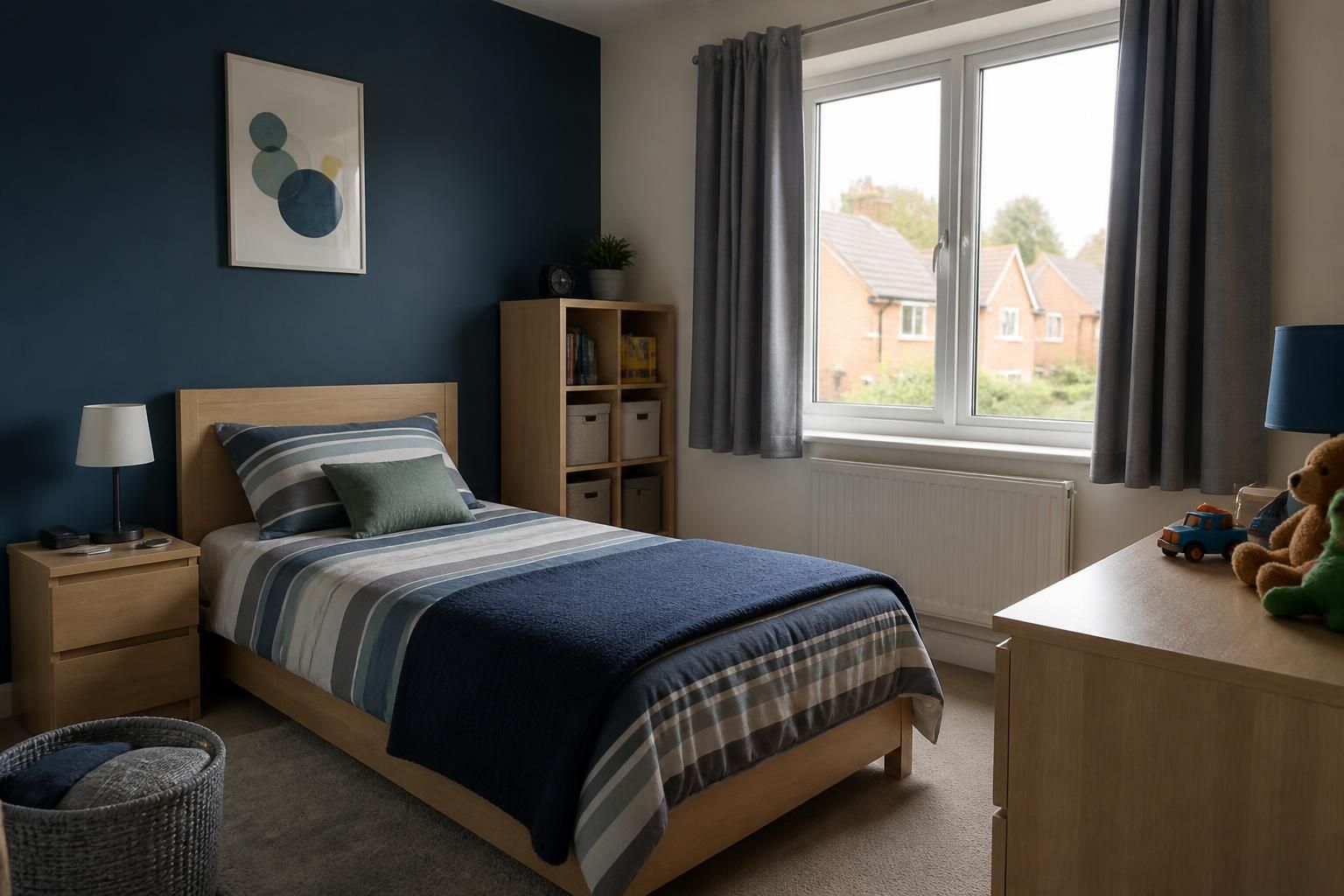
Do you need a spare bedroom for Birmingham council fostering?
For Birmingham council fostering, you will generally need a spare bedroom so the child or young person has their own private sleeping space. The exact arrangements can depend on the child’s age, needs and circumstances, so this will be discussed during your fostering assessment.
Partnering with an
Ofsted Outstanding Provider
Usually, yes. A child placed through Birmingham council fostering will normally need a bedroom of their own, rather than sharing with an adult or another unrelated child. This provides privacy, personal space and a secure place for belongings. The requirement is considered as part of your fostering assessment and is matched to the child’s age, needs and circumstances.
The room does not need to be large or specially furnished, but it must be suitable for a child or young person. Assessors will consider whether it has:
- enough space for a bed, clothing and personal belongings;
- appropriate heating, lighting and ventilation;
- a safe window and suitable means of escape;
- privacy and a door that can be closed;
- furniture and equipment appropriate to the child’s age; and
- safe access to bathroom and other household facilities.
A foster child should not normally sleep in a lounge, dining room, conservatory or other temporary space. The bedroom should be available for fostering and not also used as an office, storage room or regular sleeping area by another household member. A home visit will help establish whether the proposed room meets the required standards and whether any changes are needed before approval.
There can be limited exceptions to the usual room arrangement. For example, brothers and sisters may sometimes share, particularly where this supports their welfare and they are comfortable doing so. A very young child may also have different sleeping arrangements, depending on their age, care plan and assessed needs. These decisions are not automatic: safeguarding, privacy, the child’s history and the suitability of the arrangement must all be considered.
If you have children of your own, their bedrooms and privacy will also be taken into account. A foster child should not normally be expected to share with your birth child, and the assessing team will consider how everyone in the household may be affected by a placement. The number, age and needs of children who could be placed with you will influence the assessment.
Having a spare room does not by itself guarantee approval. The assessment also looks at your household, health, relationships, support network, motivation, home safety and ability to meet the needs of a child in care. Equally, uncertainty about how to arrange the room should not stop you from making an initial enquiry. Explain your circumstances clearly so the fostering team can tell you whether your proposed arrangements could be suitable.
If you are approved and your circumstances change—for example, someone moves into the room, you move home or your family’s sleeping arrangements alter—you should discuss this with your supervising social worker before a new placement is considered. Any placement must continue to provide safe and appropriate accommodation for the child.
The practical steps are to discuss your bedroom arrangements during the initial enquiry, prepare the room before the home assessment, and raise any possible exceptions or family considerations openly. Training and assessment will cover safer caring, privacy, boundaries and the child’s individual needs, so you understand how the bedroom forms part of a wider safe-care plan.
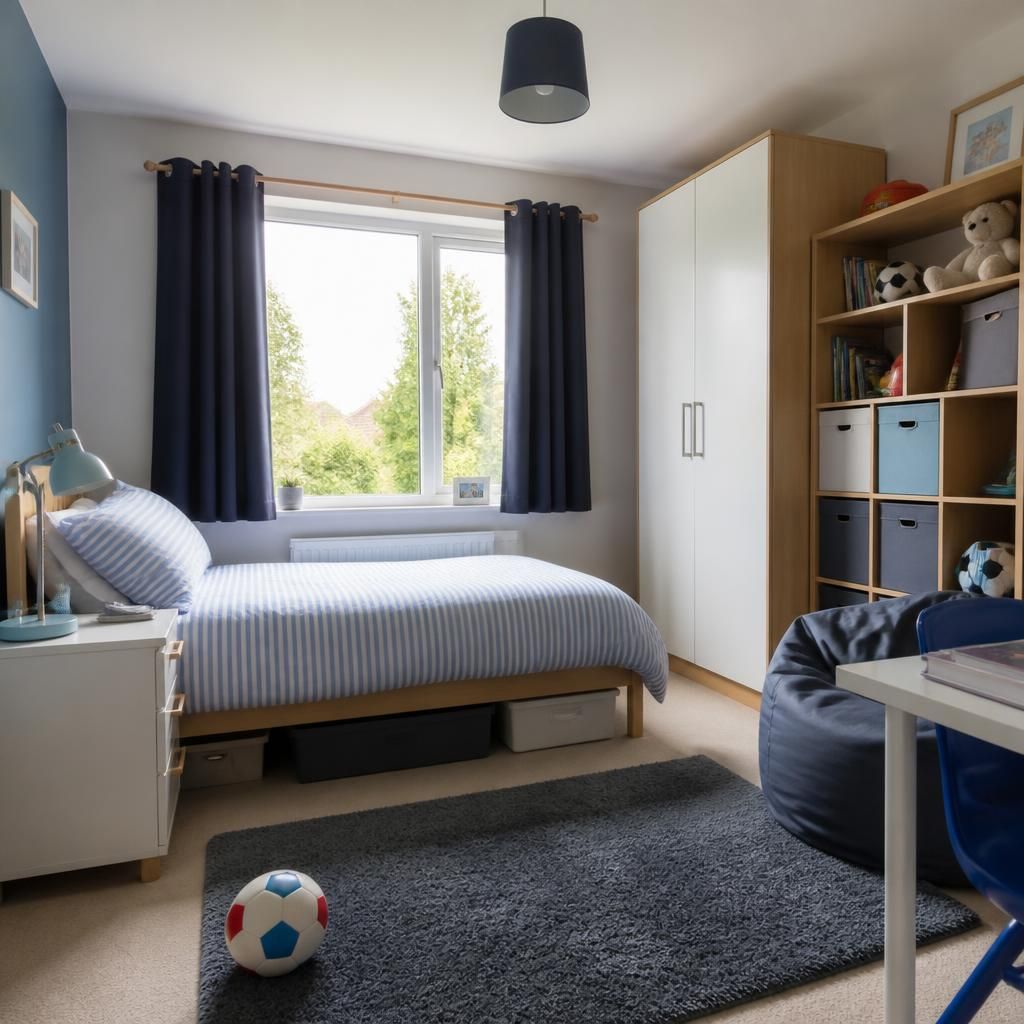
A spare bedroom is only one part of the accommodation assessment for Birmingham council fostering. The assessing team will also consider how the room fits within your household’s safer-care arrangements, including who may enter it, how the child’s privacy will be protected and where personal belongings can be kept securely.
- Agree clear household boundaries around the bedroom.
- Make sure the child can have private time and access their belongings safely.
- Consider how routines such as bedtime, washing and getting dressed will work.
- Discuss any equipment or adjustments that may be needed for a particular child.
These practical points can be discussed during your home assessment. They help establish whether the proposed bedroom will provide more than sleeping space: it should support the child’s dignity, security and day-to-day care.
Discuss your spare bedroom with our fostering team
If you are considering Birmingham council fostering, discuss your spare-bedroom arrangements with our fostering team so your circumstances can be considered before you apply. We can explain the next steps and what to expect from the assessment.