

How are family holidays managed in Birmingham council fostering?
Family holidays during Birmingham council fostering are usually possible, but they must be planned around the child’s needs, care plan, contact arrangements and safeguarding requirements. Foster carers should discuss proposed travel with their supervising social worker and obtain any required permissions before making firm arrangements.
Partnering with an
Ofsted Outstanding Provider
A proposed holiday is assessed as part of the child’s ongoing care arrangements, rather than treated as an ordinary family booking. Birmingham council fostering will consider whether the trip is suitable for the child, who needs to agree to it, how it fits with the care plan and contact schedule, and what practical safeguards are needed.
Foster carers should raise holiday plans with their supervising social worker as early as possible. The discussion will normally cover:
- the destination, dates, accommodation and proposed method of travel;
- who will be travelling, including members of the fostering household and any other adults or children;
- the child’s age, routines, medical needs, communication needs and ability to manage a change of environment;
- any risks associated with travel, accommodation, activities or being away from familiar support;
- planned contact with birth family and whether the trip affects scheduled meetings, calls or other arrangements; and
- how the child’s education, appointments, medication and daily care will be managed.
Approval may involve more than the supervising social worker. The child’s social worker, the fostering service and other people with relevant responsibility may need to be consulted. The exact process depends on the child’s legal status, care plan and the nature of the trip. Foster carers should not assume that approval from one professional is sufficient, and should ask what permissions are required before paying deposits or making non-refundable bookings.
Travel within the UK can still require careful planning. A short break may affect contact, transport arrangements, health appointments or the child’s emotional stability. Carers should provide suitable sleeping arrangements, maintain agreed routines where practical and take the child’s important information with them. This may include details of medication, allergies, dietary requirements, emergency contacts and strategies that help the child feel secure.
Holidays abroad usually involve additional checks. These may include confirmation of travel consent, passport or identity-document requirements, visa rules, travel insurance, healthcare arrangements and permission to take the child outside the UK where this applies. Foster carers should obtain clear written guidance about these requirements rather than relying on general travel advice. The child’s social worker or fostering service can explain which documents and consents are relevant to the individual circumstances.
The child should be included in planning at a level appropriate to their age and understanding. Some children may be excited about a holiday, while others may feel anxious about unfamiliar places, travelling, sharing accommodation or being away from important people. Talking through the itinerary, showing photographs of the accommodation and agreeing ways to keep in touch can help. The child’s wishes and feelings should inform the decision, even where adults must make the final assessment.
Activities also need to be considered in advance. Swimming, water sports, cycling, skiing, amusement parks and travel in vehicles may require specific risk assessments or supervision. Foster carers should follow the fostering service’s expectations for supervision and safe care, and should check whether an activity is appropriate for the child’s individual needs. A holiday itinerary does not remove the usual safeguarding responsibilities.
If the child cannot or should not travel with the fostering household, the adults involved should discuss alternatives rather than making informal arrangements. Depending on the care plan, options may include the child remaining with an approved carer, a planned respite arrangement or another agreed plan. Any alternative must be arranged through the appropriate fostering and social care professionals so that the child’s safety, continuity of care and contact arrangements are protected.
Plans can change after approval. If dates, accommodation, travelling companions or activities change significantly, foster carers should inform their supervising social worker and check whether the revised arrangements need further agreement. They should also know who to contact if the child becomes unwell, distressed or unsafe during the trip, and keep records of any significant incident in line with fostering procedures.
The most useful approach is to treat the holiday as a planned part of fostering, not as a separate matter. Early discussion, accurate information and written confirmation of the agreed arrangements help the fostering team balance the household’s plans with the child’s welfare, legal position, relationships and need for consistent care.
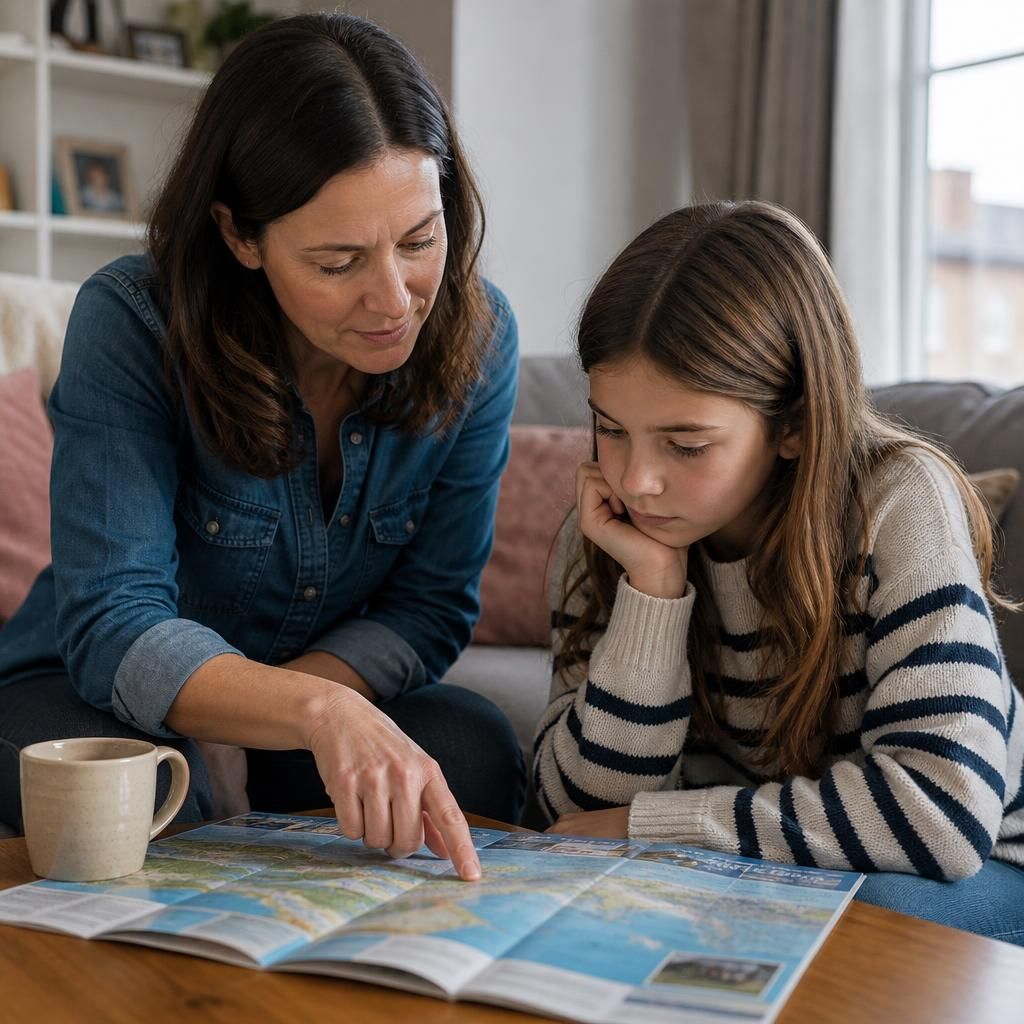
Holiday planning should include support for the child’s return home. Some children may need time to settle back into school, contact arrangements and ordinary household routines after a change of environment. Foster carers can help by discussing the return in advance, allowing time to readjust and watching for changes in sleep, mood or behaviour.
Any significant concerns after the holiday should be shared with the child’s social worker and supervising social worker. This information can help the fostering team understand whether future trips need different arrangements, preparation or support for the child.
Ask about managing family holidays in Birmingham council fostering
If you are considering fostering and want to understand how family holidays could fit around a child’s needs, speak to Become a Foster Family for guidance on the next steps and questions to ask Birmingham’s fostering team.