
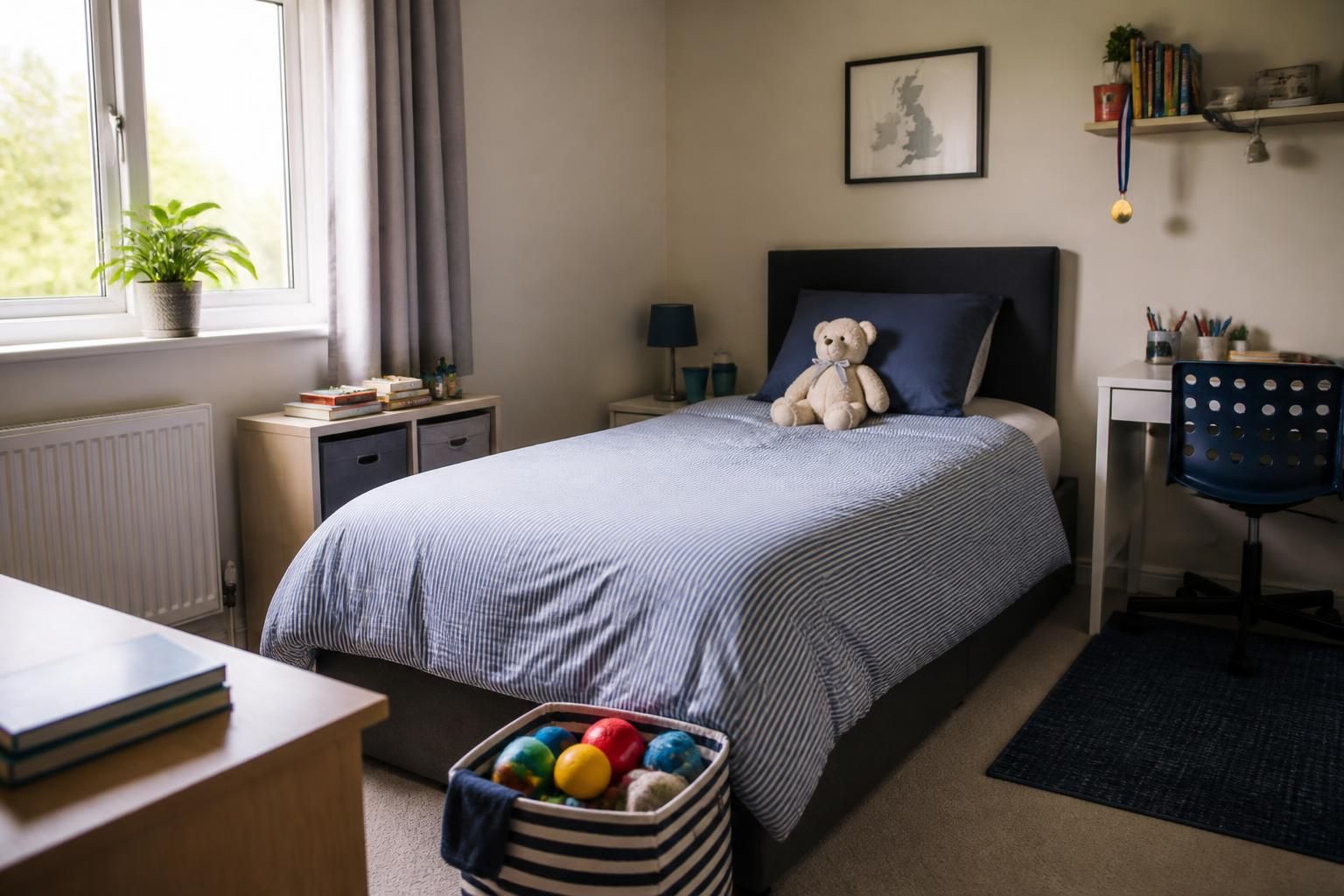
Does a Birmingham fostering agency require a spare bedroom?
Yes. A Birmingham fostering agency will usually require a foster child to have their own suitable bedroom, although exceptions may apply for some sibling groups or younger children following an individual assessment.
Partnering with an
Ofsted Outstanding Provider
The bedroom requirement is considered as part of the fostering assessment, alongside the child’s age, development, needs and the arrangements already in place within your household. The agency must be satisfied that the proposed sleeping space is safe, appropriate and gives the child suitable privacy.
A suitable bedroom would normally need to be a proper, usable room rather than a shared living area or a temporary sleeping space. During assessment, the social worker is likely to consider:
- Whether the room is large enough for the child to sleep, dress and keep personal belongings comfortably.
- Whether it has adequate heating, ventilation, lighting and a suitable window.
- Whether the room is safe, secure and free from hazards such as unsafe wiring, unsuitable furniture or blocked escape routes.
- Whether the child can access appropriate bathroom facilities without unreasonable difficulty.
- Whether the proposed arrangement protects the child’s privacy and fits with the needs of everyone else in the household.
The room does not usually need to be specially decorated or furnished before you begin an enquiry. However, it should be capable of being made welcoming and age-appropriate before a child is placed. You may need to provide suitable furniture, storage, bedding and safety equipment, depending on the age and needs of the child.
Bedroom-sharing arrangements are considered carefully rather than agreed automatically. Factors can include the children’s ages, sex, relationship, compatibility, personal history and any information about trauma, safeguarding or additional needs. A social worker will also consider whether sharing could affect sleep, privacy or emotional wellbeing. The final arrangement must comply with the relevant fostering standards and the agency’s own assessment requirements.
If you are unsure whether a room qualifies, raise the question at the beginning of the application process. This is particularly important if the proposed bedroom is:
- In a loft or converted part of the property.
- Used partly for another purpose, such as an office or playroom.
- Reached through another bedroom.
- Currently occupied by another household member.
- Subject to restrictions in a tenancy, lease, mortgage or building regulations.
The agency may need to discuss documentation or arrange additional checks where alterations have been made to the property. Renting a home does not by itself prevent someone from applying, but permission from a landlord may be needed before fostering can begin. The important issue is whether the accommodation is stable, safe and suitable for the proposed placement.
Not having an immediately available bedroom does not necessarily mean you should abandon an enquiry. Explain your circumstances to the fostering agency, including whether a room will become available, whether children are expected to move out, or whether your household arrangements may change. The agency can explain what would need to be in place before approval and whether your preferred type of fostering is realistic in your current home.
A home visit forms part of the assessment, so the social worker can look at the accommodation rather than relying only on a description. They will discuss how a child would use the home, how privacy would be maintained and how you would manage everyday routines. Approval is based on the overall suitability of the household and the proposed placement, not simply on the number of rooms.
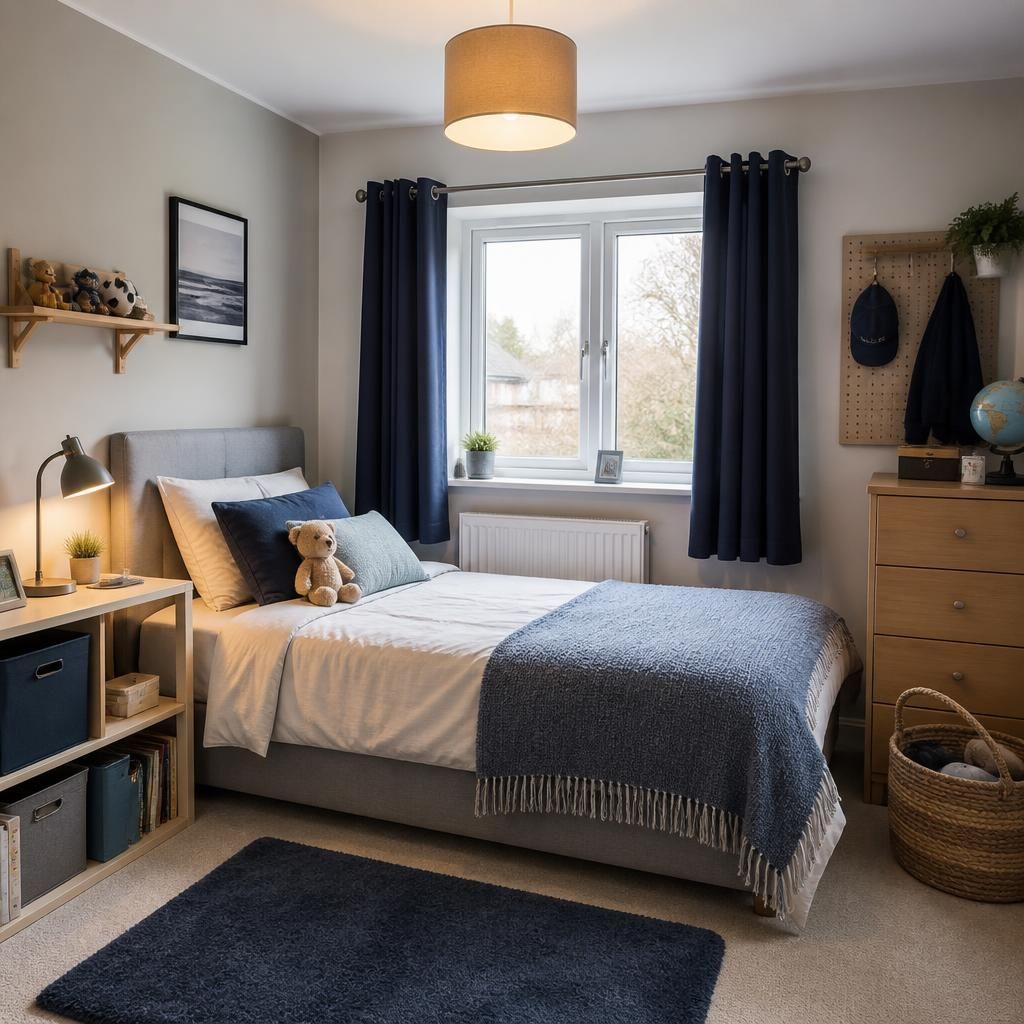
A spare bedroom must be genuinely available for fostering rather than being needed as regular sleeping space for another household member. You would not normally be expected to ask your own child to move rooms simply to create space for a placement, and any proposed change to sleeping arrangements would need careful discussion during the assessment.
The available space can affect the type of fostering approval that is realistic. For example, a home may be suitable for one child but not for a larger sibling group, or may not be appropriate for children whose needs require additional privacy or personal space. Be open about how each room is currently used so the assessing social worker can consider suitable placement options without making assumptions.
Discuss Your Spare Bedroom with a Birmingham Fostering Agency
If you are considering fostering in Birmingham, contact Become a Foster Family to discuss your home’s layout and the type of fostering you are exploring. An initial conversation can help you understand what information to provide before applying.