
Who will support me during the fostering application process in Birmingham?
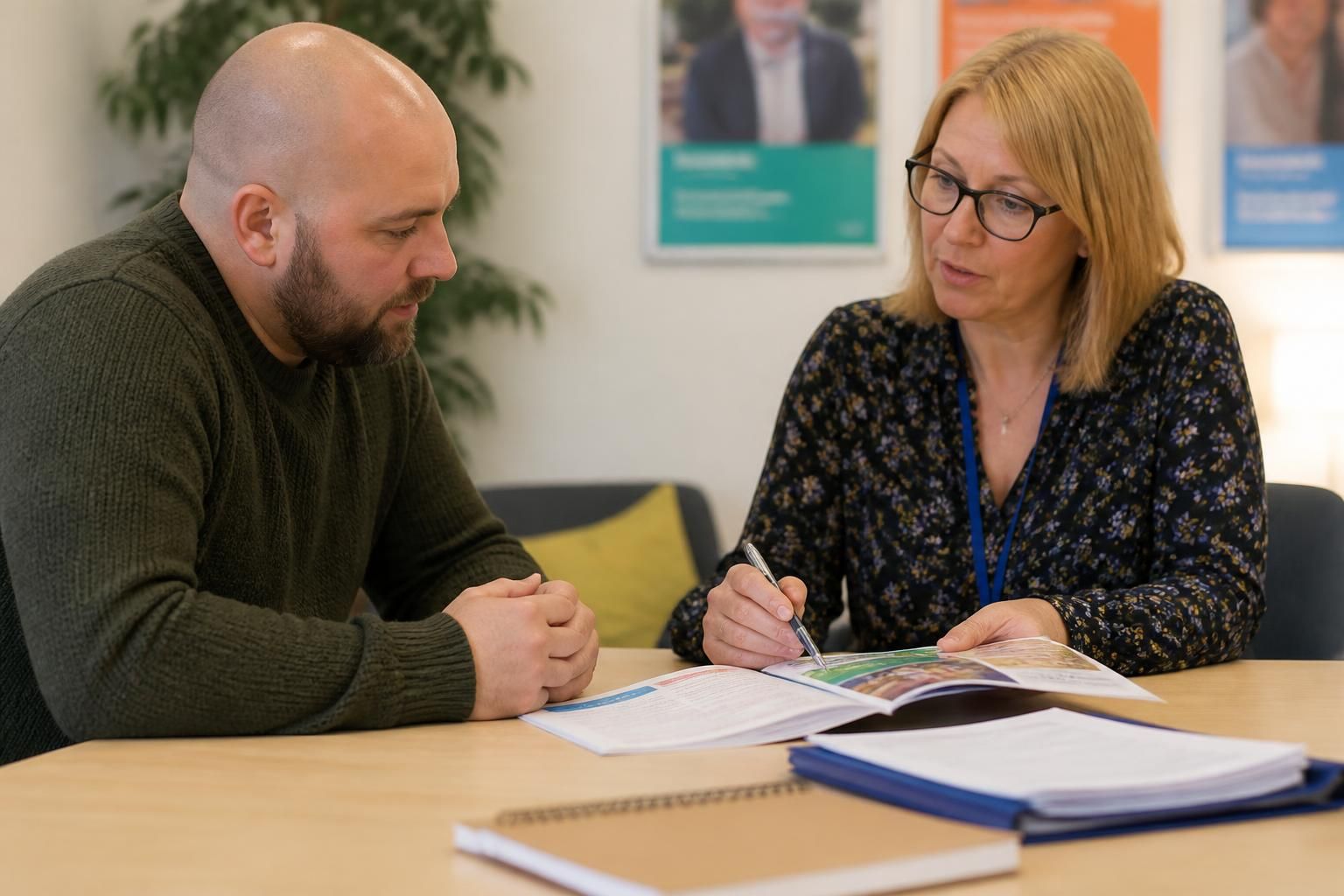
During your fostering application in Birmingham, you will be supported by a local fostering team with guidance on the application, preparation training and assessment process. You can also receive practical advice from your assessing social worker and continued support as you work towards becoming a foster carer.
Partnering with an
Ofsted Outstanding Provider
Several people may support you during a fostering application in Birmingham, each with a different responsibility. You will usually have an initial contact for general guidance, an assessing social worker for the formal assessment, and training and administrative staff to help you complete the required preparation and checks.
Your first point of contact can explain the basic requirements, discuss your circumstances and outline the stages involved. This early conversation is an opportunity to ask practical questions about your household, employment, accommodation, relationships and reasons for fostering. You should also be able to clarify which documents and information will be needed before the assessment begins.
An assessing social worker normally provides the main professional guidance during the assessment. They may:
- explain what the assessment involves and help you understand the information being requested;
- arrange and conduct visits to your home;
- talk with you and other members of your household about fostering;
- help you consider how fostering could affect your routines, relationships and support network;
- identify any areas where further information, preparation or discussion is needed; and
- help you prepare for consideration by the fostering panel.
The assessment is not simply a set of forms. Your social worker needs to understand your background, experiences, strengths, support network and ability to meet the needs of a child. They should explain why particular questions are being asked and give you the opportunity to provide context where something in your history or circumstances needs further explanation.
Training staff support your preparation for fostering. Pre-approval training usually covers subjects such as safeguarding, children’s development, attachment, trauma, behaviour, safer caring and working with families. Training gives you a chance to test your understanding, consider realistic situations and discuss how you might respond. It may also help identify questions to explore further with your assessing social worker.
Administrative and checking teams may guide you through practical requirements, including identity documents, references, medical information and other statutory checks. These checks are a normal part of foster carer assessment. If a document is missing or more information is needed, the relevant team should explain what is required rather than leaving you to work it out alone.
Your household should be included in the preparation. A partner, other adults living in the home and children may need age-appropriate opportunities to understand fostering and share their views. The people who support you outside your household may also be discussed, as fostering can involve a demanding set of responsibilities and carers need reliable practical and emotional support.
Before you begin, ask the fostering service:
- who your main contact will be at each stage;
- how to contact your assessing social worker and what to do if they are unavailable;
- which parts of the process are handled by the recruitment, assessment, training and checks teams;
- how progress and outstanding information will be reviewed; and
- what support is available after the assessment and panel decision.
The fostering panel considers the completed assessment and makes a recommendation about approval; it is not usually the person providing your day-to-day application guidance. Your assessing social worker should explain the panel’s role, help you understand the information being presented and tell you what happens after the recommendation. Asking questions throughout the process is appropriate: good support should help you make an informed decision about fostering, not simply help you complete paperwork.

Support during a fostering application should help you make an informed decision, rather than simply guide you towards approval. The fostering team should explain the reasons for each stage, discuss any concerns identified during assessment and give you a clear opportunity to provide further information or ask questions.
You should also be able to consider whether fostering is right for your household as you learn more. If training or assessment discussions raise issues about your routines, relationships, health or support arrangements, ask what they mean in practical terms and whether further preparation could help. Honest discussions are useful because they allow you and the fostering service to identify any support or development needs before a final recommendation is made.
It is sensible to keep a note of questions between meetings and to tell the team if your circumstances change while the application is progressing. Changes to your address, household, employment, health or relationships may affect the information needed for the assessment. Keeping the relevant contact informed helps ensure that the assessment reflects your current circumstances rather than an outdated picture.
Ask about support during your fostering application
If you are considering fostering in Birmingham, contact the fostering team to discuss your circumstances and ask what the next stage would involve.