
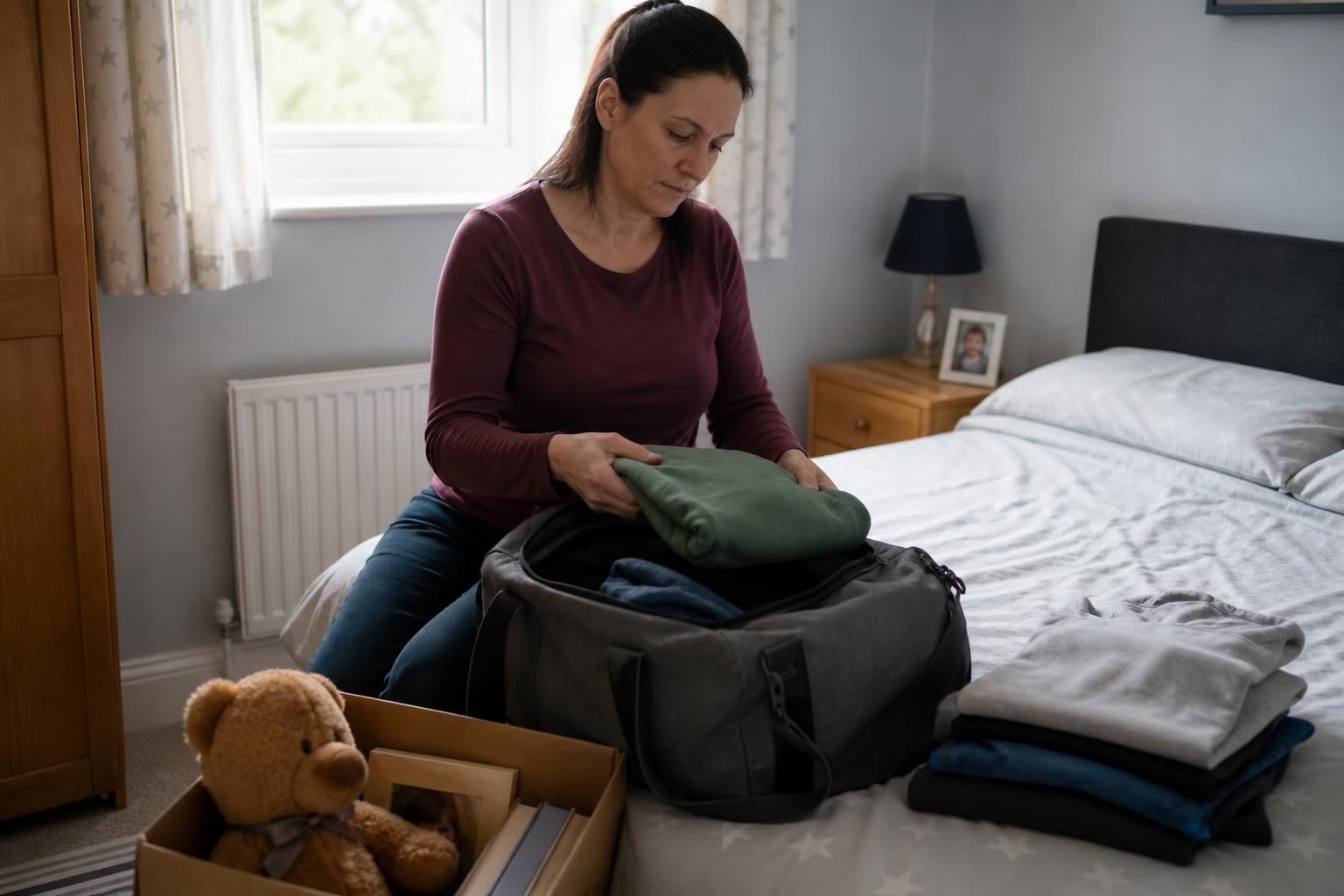
What happens when a foster placement in Birmingham needs to end?
When a foster placement in Birmingham needs to end, the decision should be guided by the child’s welfare, with the professionals involved agreeing the next steps wherever possible. The move is planned carefully, records and practical arrangements are reviewed, and the child is supported to transition to their next home safely.
Partnering with an
Ofsted Outstanding Provider
A foster placement ending is managed as a transition, not simply as a change of address. The local authority, the fostering service, the child’s social worker, the foster carer and other relevant professionals should establish why the placement is ending, what the child needs next and how the move will be carried out safely.
There are several possible reasons for an ending. A child may return to their birth family, move to a different foster family, join a permanent family, move into supported or independent living, or transfer to a placement better suited to their needs. Sometimes an ending is planned from the beginning, while in other situations a placement becomes unsuitable or cannot continue. An ending does not automatically mean that a foster carer has done anything wrong.
What happens before a planned ending?
- The child’s social worker reviews the plan with the professionals involved and confirms the proposed next placement or living arrangement.
- The child is given information about what is changing, why it is changing and what they can expect. Their views should be sought in a way that reflects their age and understanding.
- A transition plan is prepared. This may include visits to the new home, introductions to new carers, overnight stays, meetings with school staff and arrangements for maintaining important relationships.
- The adults involved agree practical details, such as the moving date, transport, medication, clothing, school items, personal possessions, identity documents and other essential belongings.
- Information is shared appropriately with the next carers or professionals so that the child’s routines, health needs, education, relationships, communication style and known triggers are understood.
The amount of preparation will depend on the reason for the move, the child’s age, their understanding of the situation and how much notice is available. Some children will benefit from photographs, calendars, written explanations or repeated conversations. Others may need a shorter, carefully managed process if prolonged preparation would increase anxiety.
What if the placement ends unexpectedly?
Where there is an immediate safeguarding concern, serious conflict, a significant change in the child’s needs or a risk that the placement cannot continue, professionals may need to arrange an urgent move. The supervising social worker and the child’s social worker should be contacted straight away. Foster carers should not attempt to agree a new placement or make arrangements for the child to leave without professional direction, except where immediate action is required to protect someone from harm.
An unplanned ending can be particularly unsettling. The priority is to keep the child safe, explain what is happening in clear language and preserve continuity wherever possible. Their essential belongings, records, medication and important contact details should travel with them. The professionals should also consider how the child will be supported after the move and whether further work is needed to help them understand the ending.
How is the child’s voice included?
Children should be given a genuine opportunity to express their feelings and preferences. They may feel relief, sadness, anger, guilt, confusion or loyalty to more than one family at the same time. A child’s wishes may not determine the final decision, particularly where safety or legal arrangements are involved, but those views should be listened to and recorded.
It is important to avoid presenting the move as a punishment or suggesting that the child caused the placement to end. Foster carers can help by using straightforward explanations, acknowledging difficult feelings and avoiding promises about arrangements that professionals have not confirmed. The child should know who they can speak to if they are worried before, during or after the move.
What information and belongings should be passed on?
Foster carers normally help gather the items and information the child needs for the next stage. This may include:
- clothes, shoes, school uniform and favourite personal items;
- schoolwork, certificates, photographs, letters and other keepsakes;
- prescribed medication and relevant health information;
- details of routines, food preferences, sleep patterns, communication needs and calming strategies;
- information about school, hobbies, friends, family contact and appointments; and
- the child’s daily records and other documents requested by the fostering service or local authority.
Records should be factual, respectful and handled in line with confidentiality requirements. Foster carers should ask their supervising social worker how records are to be completed, stored and transferred. Personal information should not be shared informally with people who are not involved in the child’s care.
What happens to relationships after the move?
Moving home does not necessarily mean that every existing relationship ends. Contact with foster carers, birth family, siblings, friends, school staff or other important people may continue where this is assessed as safe and appropriate. The arrangements should be agreed by the responsible professionals and explained clearly to everyone involved. Foster carers should not make independent contact arrangements where these conflict with the child’s care plan, court directions or the local authority’s decision.
Whether contact continues will depend on the child’s circumstances and the reason for the move. Sometimes regular contact supports the child’s identity and emotional wellbeing. In other cases, contact may need to be limited, supervised or reviewed because it could cause distress or create a safeguarding concern.
What support is available to foster carers?
Foster carers should have an opportunity to discuss the ending with their supervising social worker and the child’s social worker. This can cover the reasons for the decision, what information can be shared, how contact will work and what practical steps remain. Where an ending has been difficult, carers may need help to reflect on events, support other household members and prepare for future fostering decisions.
Foster carers should keep communication professional throughout the process, even when they feel upset or disagree with the proposed move. Concerns should be raised through the fostering service’s procedures. If the carer believes that information has been missed or that the plan is unsafe, they should set out those concerns clearly to the relevant social worker and supervising social worker.
Payments and financial arrangements can change when a child leaves, so foster carers should ask their fostering service how allowances, outstanding expenses and any agreed costs are dealt with. The precise position depends on the placement agreement and the organisation responsible for the placement.
After the move, the professionals should review how the transition went and whether the child needs additional help. The foster carer may also be asked to complete final records, return items belonging to the local authority or attend a review. Keeping communication clear and focusing on the child’s needs helps ensure that the end of one placement is handled responsibly and that the child’s next stage begins with the right information and support.
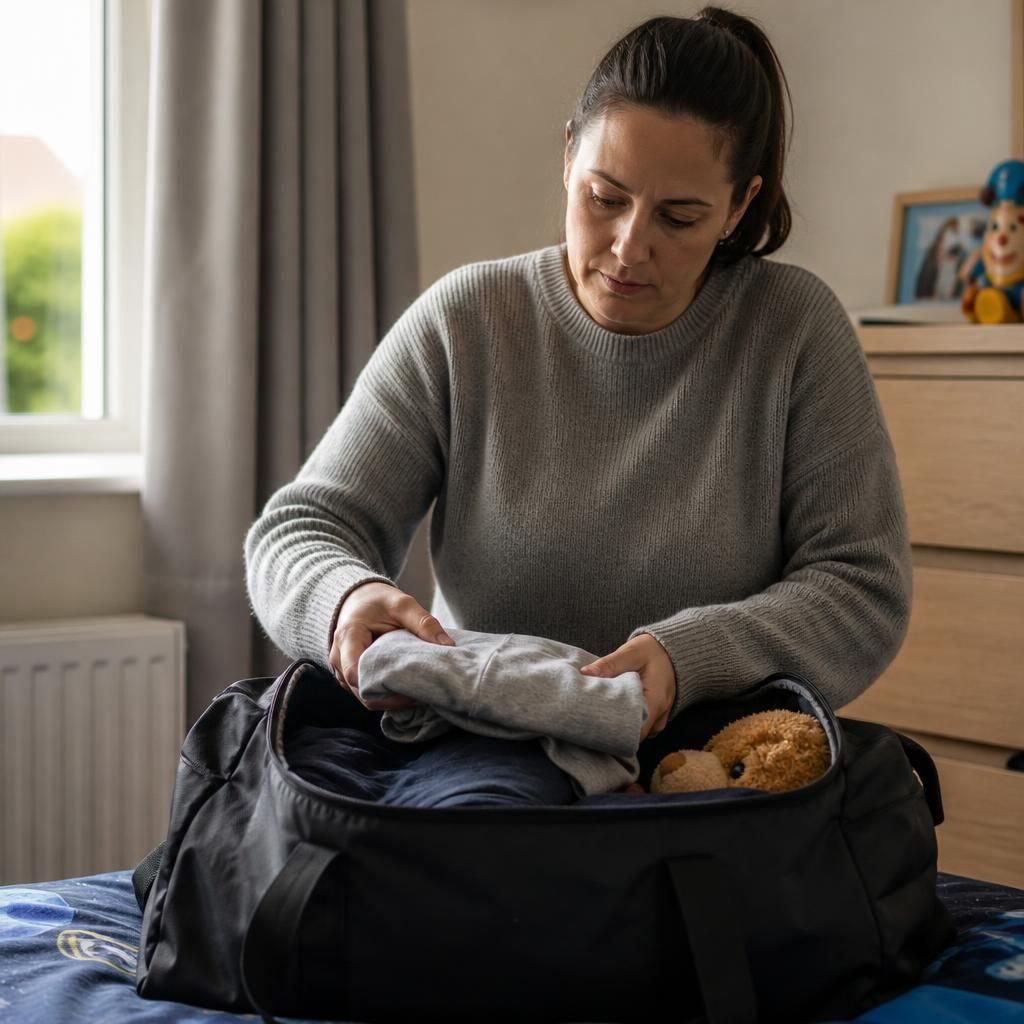
Ending one foster placement does not automatically mean that a foster carer’s approval ends. The fostering service will consider the circumstances, the child’s needs and any concerns raised before deciding what further action is appropriate.
A supervising social worker may arrange a debrief or review with the foster carer. This can examine what worked well, what difficulties arose and whether any changes to training, support or future matching should be considered. If the placement ended because of a safeguarding concern, allegation or serious difficulty, the fostering service may need to follow its formal procedures before another placement is considered.
Foster carers should give an accurate account of events, keep relevant records and ask for clarification if they do not understand the reasons for the decision. A careful review helps distinguish between an ending caused by changing circumstances and one that indicates a concern about care, while keeping the child’s welfare at the centre of the process.
Discuss your fostering questions in Birmingham
If you are considering fostering in Birmingham and want to understand how placement endings may affect carers and household members, discuss your questions with our fostering team. We can help you explore the practical and emotional aspects before you decide whether to apply.