
Who can apply to foster in Birmingham?
Adults who can provide a safe, stable and nurturing home may be able to apply to foster in Birmingham, whether applying as an individual, couple or family. Your circumstances, household, health, home and suitability will be considered through the fostering assessment process before approval.
Partnering with an
Ofsted Outstanding Provider
Most adults aged 21 or over can apply to foster in Birmingham, including single people, couples and people from different cultural, religious and sexual-orientation backgrounds. You do not usually need to own your home, have children of your own or give up paid work. Approval depends on whether you can meet a child’s needs and provide a suitable, consistent household, which is established through checks and a full fostering assessment.
Applicants are generally expected to have the right to live in the UK and enough stability to take on the responsibilities of fostering. There is no standard upper age limit, but your health, energy, availability and circumstances will be considered in relation to the type of placements you may be able to accept. A medical assessment helps determine whether fostering is suitable and whether any health condition could affect your ability to care safely.
You may be able to apply whether you are:
- single, married, civil-partnered or living with a partner;
- working full-time, working part-time, self-employed, retired or not currently employed;
- a homeowner or a private or social housing tenant;
- already a parent, a step-parent or someone without children;
- from any ethnic, cultural or religious background; or
- living with a disability or long-term health condition, provided fostering remains compatible with your needs and responsibilities.
If you are applying as a couple, both partners will normally be assessed. The assessment considers the strength and stability of the relationship, how decisions are made and how both people would share the practical demands of fostering. Couples do not necessarily need to be married, but both adults must understand and support the application.
Your home must provide a suitable environment for a foster child. In most cases, a foster child needs their own bedroom, although the exact arrangements depend on the child’s age, needs and the relevant fostering requirements. The room should be appropriately furnished, safe and large enough for the child’s belongings. A home does not have to be large or owned by the applicant, but there must be enough space and privacy for the proposed placement.
Other household members will be included in the assessment. This can include children, adult relatives, lodgers and regular visitors. Their views, safety and ability to adjust to fostering are relevant, because fostering affects the whole household. Pets are not an automatic reason for refusal, but they will be considered alongside supervision, safety and the needs of children who may be frightened of or allergic to animals.
Applicants need to show that their finances are sufficiently well managed for ordinary household commitments to be met. Fostering allowances are intended to contribute towards the costs of caring for a child, but applicants should understand their financial arrangements before applying. You will be asked about employment, benefits, debts, housing costs and other commitments so that the assessing team can consider whether fostering is realistic for your household.
Previous convictions do not automatically mean that you cannot foster. However, applicants must disclose relevant information, and enhanced criminal record checks are completed for adults in the household where required. Some offences, particularly offences involving children, sexual offences or serious violence, may prevent approval. Failing to disclose information can create a more serious concern than the matter itself, so it is important to discuss your history openly at the earliest stage.
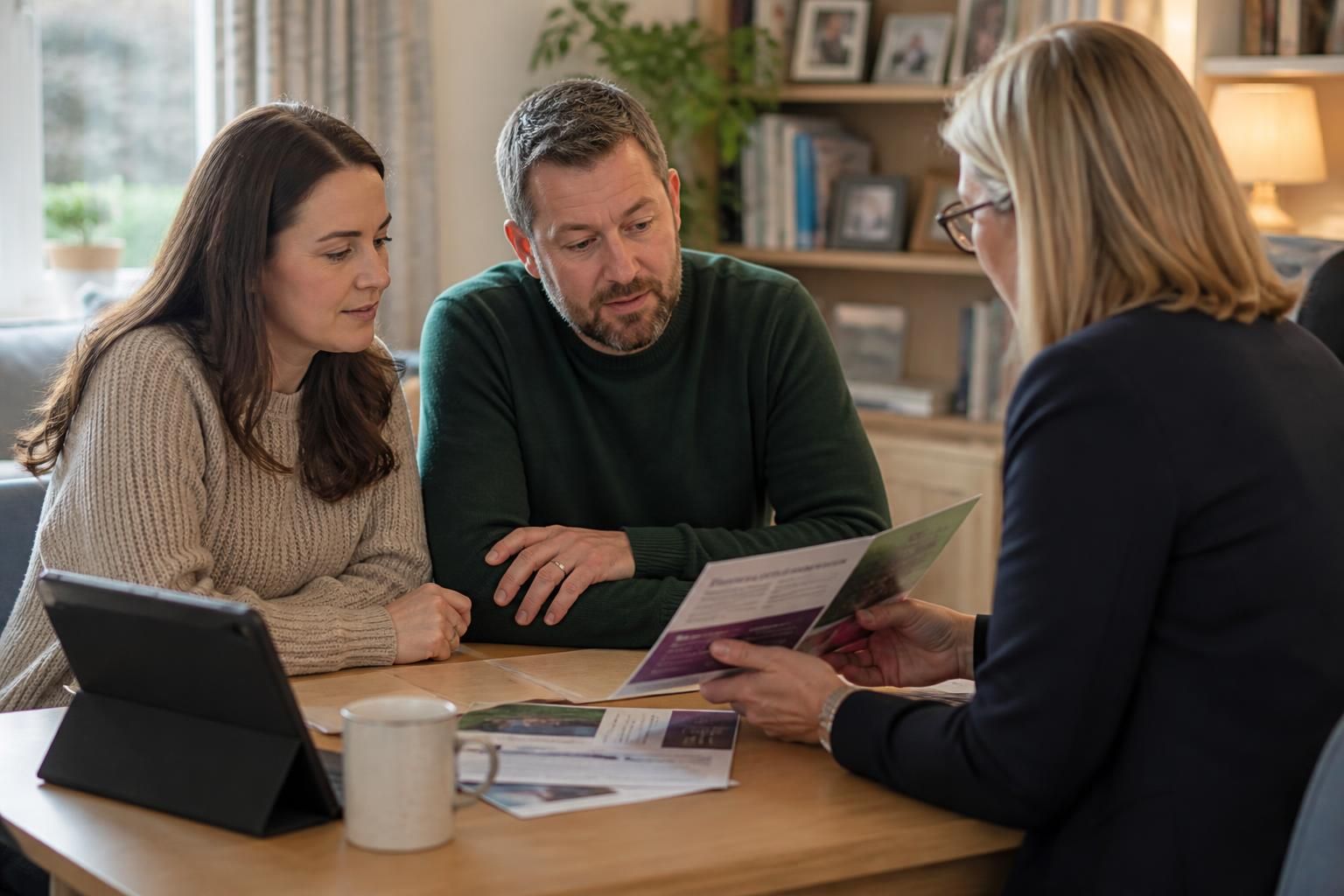
The application process usually begins with an initial conversation and information about fostering. If you decide to proceed, the fostering service will arrange an initial assessment or home visit, request references and checks, arrange a medical assessment and explore your experience, motivation, support network and understanding of fostering. You will also complete preparation training before your application is considered for approval.
Training helps applicants understand safeguarding, behaviour, attachment, trauma, safer caring, recording and working with birth families and professionals. It is also an opportunity to decide whether fostering fits your household before approval. The assessment is not intended to identify people with a perfect personal history; it is designed to establish whether you can reflect on experiences, accept guidance, maintain boundaries and advocate for a child.
After the assessment is completed, an independent fostering panel usually considers the evidence and makes a recommendation. The agency decision-maker then decides whether approval should be granted and what type of fostering, age range, number of children and other terms are appropriate. Approval can be limited to placements that match your household, skills and available space rather than every type of fostering.
If you are unsure whether a particular circumstance affects your eligibility, it is sensible to ask for an individual discussion rather than assuming you cannot apply. Become a Foster Family can explain the requirements, discuss your household’s circumstances and outline the checks, training, support and financial arrangements involved before you decide whether to continue.

You do not need previous fostering experience or a professional childcare qualification to apply in Birmingham. Applicants may bring relevant experience from parenting, caring for relatives, education, youth work, health and social care, or other roles involving responsibility for children and young people, but this is not essential.
What matters is your ability to learn, reflect on advice and put a child’s safety and wellbeing first. The assessment will explore your understanding of children’s needs and your reasons for fostering, while preparation training helps you develop the knowledge required before approval.
Discuss your eligibility to foster in Birmingham
If you are ready to explore whether fostering fits your circumstances, contact Become a Foster Family to arrange an initial discussion. You can ask questions and consider your next steps before deciding whether to apply.