
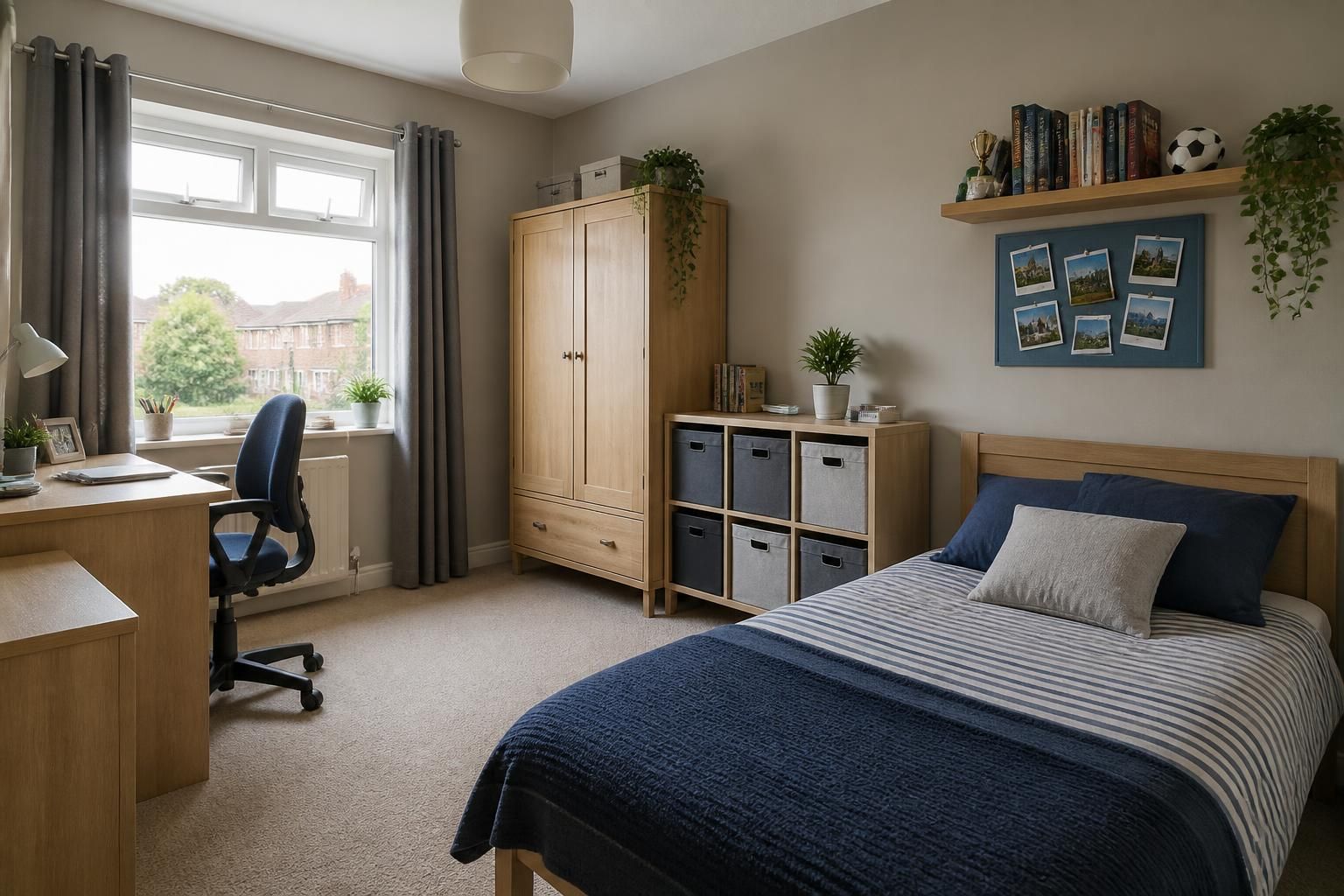
What bedroom requirements apply to foster carers in Dudley Borough?
Foster carers in Dudley Borough will generally need to provide a safe, suitably sized bedroom that gives the child privacy and space for their belongings. Bedroom arrangements are assessed individually, taking account of the child’s age, sex, needs and whether sharing with a sibling would be appropriate.
Partnering with an
Ofsted Outstanding Provider
There is no single bedroom measurement that automatically qualifies a home for fostering in Dudley Borough. The assessing social worker considers whether the room is appropriate for the child who may be placed, with enough usable floor space for normal activities, suitable furniture, storage, heating, ventilation and safe access.
As a general rule, a foster child aged over three should have their own bedroom. A child should not normally share with a foster carer, another adult or a child of a different sex. Room-sharing between siblings, or occasionally between children of the same sex, may be considered where this is suitable for their ages, relationships and individual needs. It must be agreed as part of the placement planning rather than assumed in advance.
Bedroom suitability is assessed in context. The assessment may consider:
- the child’s age, sex, development and ability to sleep safely;
- whether the child has additional needs, disabilities, medical requirements or behaviours that affect the room arrangement;
- whether the room can provide appropriate privacy and a place for clothing, toys, school items and personal possessions;
- the location of the room within the home and whether the child can reach bathroom facilities safely;
- fire safety, locks, windows, heating, electrical equipment and other household hazards;
- whether the room is being used for another purpose, such as an office, and can be made available consistently to the foster child; and
- whether the proposed arrangement remains suitable if the child’s needs or the household’s circumstances change.
A box room is not automatically ruled out, but its practical suitability will depend on its usable space, layout and the child’s circumstances. The room should contain appropriate furniture without becoming so crowded that the child cannot move around comfortably. A room with restricted access, unsafe furniture, inadequate ventilation or insufficient storage may need changes before approval.
Foster children need privacy, but bedroom safety must also be considered. For example, a child’s age and needs may affect whether a door can be locked, whether furniture should be secured, or how staff and carers monitor welfare. Any arrangement involving a child who may be vulnerable at night, has medical needs or has experienced trauma should be discussed during the assessment and before a placement is made.
During the fostering assessment, a social worker will usually visit your home and discuss the proposed bedroom arrangement with you. They may ask to see the room, consider its size and condition, and identify practical changes such as decorating, clearing stored items, improving storage or addressing safety concerns. The assessment looks at the whole household, so bedrooms for existing children and any proposed room-sharing arrangements are considered alongside the needs of a foster child.
Approval does not mean that every child will be suitable for every bedroom arrangement. Before a placement, the fostering service and placing authority should share relevant information and decide whether the child’s needs can be met in your home. If a child’s needs change, the arrangement should be reviewed rather than continuing simply because it was suitable previously.
If you are unsure whether your home meets the requirements, describe the room accurately during your initial enquiry and assessment. A member of the fostering team can explain what may need to be changed and whether the proposed arrangement could be considered for particular types of placement.
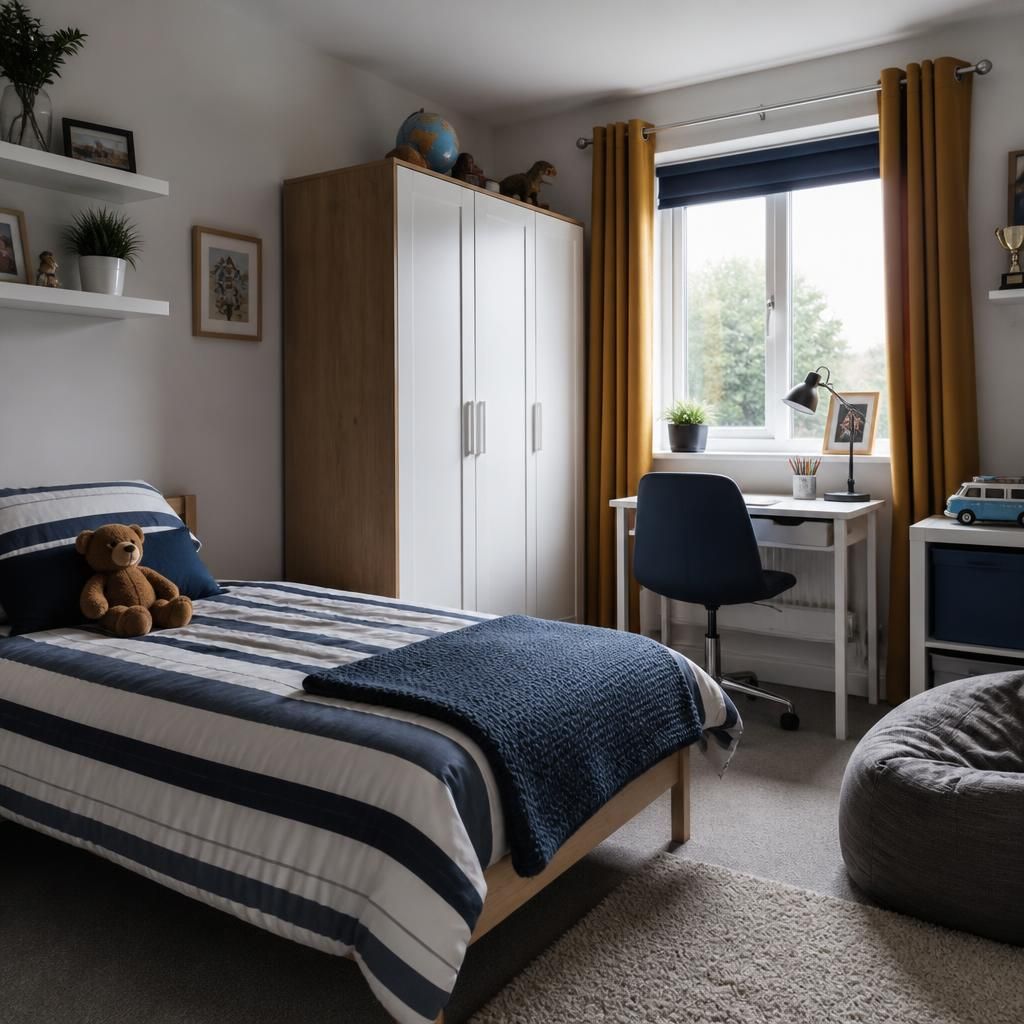
A foster child’s bedroom should be treated as their own personal space, not simply as a spare room. It should be kept free from household storage and unrelated items, with clear boundaries about entering the room and handling the child’s belongings. These arrangements can help protect the child’s privacy and support a sense of security.
Where appropriate, carers can involve the child in choosing bedding, decorations or storage for personal items. Any changes should reflect the child’s age, preferences and needs while keeping the room safe and practical. Discussing these details during the assessment can help demonstrate how the bedroom would function as part of the child’s everyday care.
Find out whether your bedroom is suitable for fostering
Contact the fostering team to discuss your home and ask any questions before deciding whether to apply. They can outline the next steps in the assessment process.