

How does the fostering assessment work in Dudley or Walsall?
The fostering assessment in Dudley or Walsall is a structured process that usually includes an initial enquiry, background checks, training, references, interviews and an assessment of your household and home. Your assessing social worker then prepares a report for consideration by the fostering panel before the final approval decision is made.
Partnering with an
Ofsted Outstanding Provider
The fostering assessment in Dudley or Walsall is a detailed evaluation of whether you can provide safe, stable and consistent care to a child or young person. It considers your circumstances as a whole rather than looking for a perfect family background. The assessment is designed to understand your strengths, identify any areas where further preparation may help, and establish which types of fostering may be suitable for you.
Your assessing social worker will usually build a picture of your household through regular discussions and visits. They may explore:
- your reasons for wanting to foster and your understanding of the responsibilities involved;
- your experience of caring for children, young people or adults who need additional support;
- your relationships, communication style and ability to work with professionals;
- how you manage stress, disagreements, change and behaviour that may be difficult to understand;
- your health, lifestyle and personal circumstances;
- the practical arrangements within your household, including space, routines and safety;
- the views and involvement of everyone who lives in or regularly visits your home;
- your wider support network and how you would use help appropriately; and
- the types of placements that could fit your skills, availability and household arrangements.
The assessment also considers whether you understand the impact fostering can have on other household members. If you have birth children, adult children, a partner or other regular members of your support network, their views may form part of the discussion. This does not mean every person must feel exactly the same, but the assessing social worker needs to understand any concerns and how they could be addressed.
Honesty is important throughout the process. You should tell your assessing social worker about relevant parts of your history, including experiences that may feel difficult to discuss. Past challenges do not automatically prevent someone from fostering. The important issues are what happened, how circumstances have changed, what you have learned and whether you can recognise and manage any risks. Withholding information can create greater difficulties than discussing it openly.
You will also be expected to consider the needs of children in care realistically. This includes understanding separation and loss, identity, family relationships, education, health and the effects of trauma or disrupted care. Foster carers are expected to work with a child’s parents and other professionals, follow agreed plans, keep appropriate boundaries and share information responsibly.
During the assessment, you can ask for clarification about any point, request time to consider a question and raise concerns about the process. It is sensible to keep notes of documents requested, appointments, training dates and questions you want to revisit. If your circumstances change while the assessment is under way—for example, through a change in employment, relationship, health or household membership—tell the assessing social worker so the information remains accurate.
At the end of the assessment, the social worker brings the information together in a written report. You should have an opportunity to discuss the report and correct factual errors before it is presented for consideration. The report will normally set out your suitability, the strengths and support needs identified, and any recommendation about the fostering approval being sought.
The fostering panel considers the assessment information and makes a recommendation. Panel members may ask questions so they can understand your circumstances and the assessment evidence. The final decision is made by the agency decision-maker, taking the panel’s recommendation and the available information into account. Approval may specify the number, age range or types of children and placements considered suitable for your household.
If the assessment identifies an issue that needs further work, this does not necessarily mean the process ends. You may be asked to provide additional information, complete further preparation or consider whether a different type of fostering is more appropriate. In some cases, the information may show that fostering is not suitable at that point. Any decision should be explained, including the relevant reasons and any route for reviewing or challenging the outcome.
Good preparation is practical rather than performative. Read the information provided, involve the people who will be affected, think carefully about your support arrangements and be ready to discuss both your capabilities and your limits. The purpose of the assessment is to reach a safe, evidence-based decision about the placements that could be right for you and the children who may be placed with you.
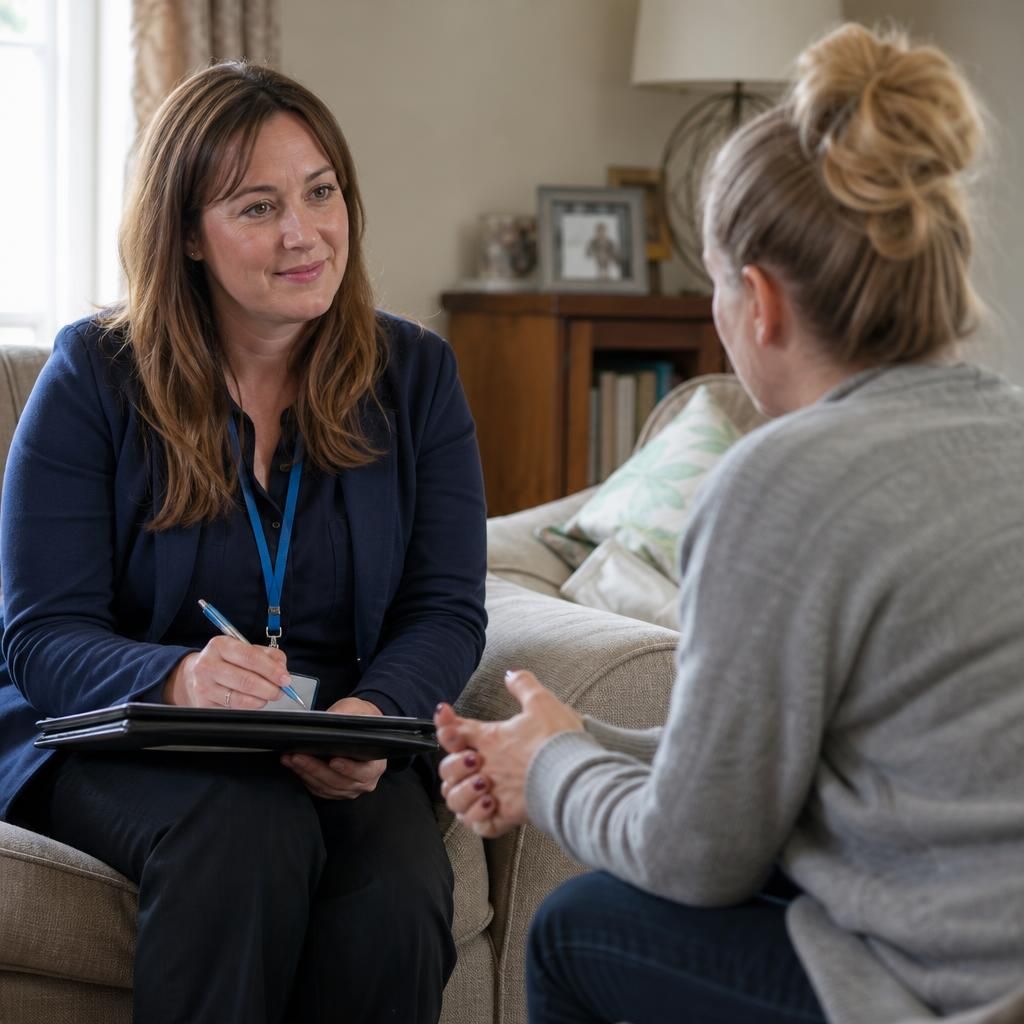
Where two people apply together, the assessment considers both applicants individually and as a fostering partnership. The assessing social worker will explore how you make decisions, handle differences of opinion and share responsibilities. You should also discuss how you would present a consistent approach to routines, boundaries and communication with professionals.
Neither applicant is expected to have identical views or experience. What matters is that you can talk openly about differences, agree how decisions will be made and recognise when to seek advice. If one applicant is likely to take the lead during particular parts of day-to-day care, this can be discussed so that the proposed arrangements are clear and realistic.
Discuss your fostering assessment in Dudley or Walsall
If you are considering fostering in Dudley or Walsall and want to understand how the assessment may apply to your circumstances, contact Become A Foster Family to discuss your questions and possible next steps.