
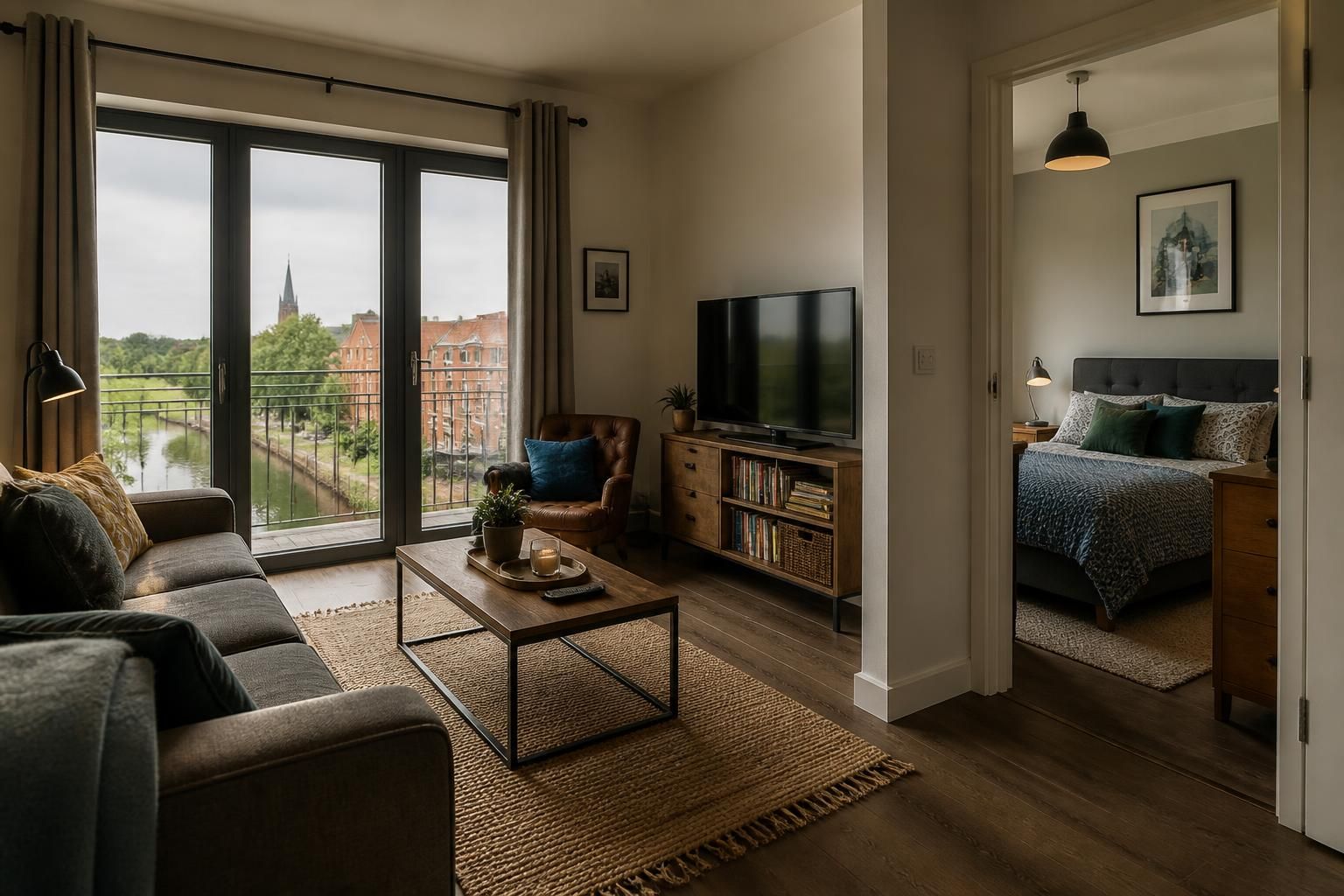
Can I foster if I live in a flat in a Worcestershire town?
Yes, you may be able to foster while living in a flat in a Worcestershire town. Your home will need to provide a safe, suitable environment, including appropriate sleeping arrangements and enough space for the child or young person, and these points will be assessed during your fostering application.
Partnering with an
Ofsted Outstanding Provider
Living in a flat in a Worcestershire town does not automatically prevent you from fostering. The key issue is whether the property, building and surrounding arrangements can support the needs of a child or young person, and whether the type of placement being considered is a suitable match for your household.
Flats can differ considerably, so the assessment will look at more than the number of rooms. Practical points may include:
- Whether you have the legal right to foster in the property, including any requirements in your tenancy agreement, lease or building rules.
- How a child would enter and leave the building safely, particularly where there is a shared entrance, secure access system, communal hallway or lift.
- Whether the property can provide appropriate privacy and a calm, settled home environment.
- How easily the flat can be accessed if a child has mobility needs or other accessibility requirements.
- Whether communal areas, balconies, windows, stairs and other features present risks that need to be managed.
- How fostering might affect relationships with neighbours, especially in a building where sound travels easily or residents share facilities.
You should check your tenancy agreement or lease before applying. If you rent, permission from your landlord may be needed; leaseholders may also need to review any freeholder or management-company rules. The fostering team can explain what evidence is required, but you remain responsible for obtaining any necessary consent.
Living in a flat may influence which placements are appropriate rather than ruling fostering out altogether. For example, the matching process will consider the child’s age, routines, behaviour, mobility, emotional needs and ability to manage the property’s layout and communal setting. A flat on an upper floor, a building without a lift or a home with shared access may be unsuitable for some children but workable for others.
During the fostering assessment, you will discuss your household, the property and how you would manage everyday situations. This can include visitors, school and contact arrangements, safeguarding, privacy, household safety and responding to a child who is distressed or unsettled. You may be asked to provide documents relating to the property and to make practical changes where these are considered necessary.
Applicants also complete preparation and training as part of the fostering process. This helps you understand safeguarding, trauma, behaviour, safer care and the responsibilities involved in fostering. If you are approved, you receive ongoing guidance and support, together with financial support for the care you provide. The amount and arrangements depend on the fostering circumstances and should be explained directly during the application process.
If you are considering fostering from a flat, it is useful to prepare a simple description of the property, note any access or safety issues and identify any permissions you may need. Become a Foster Family can provide information about the application process, training, financial support and ongoing assistance so that your circumstances can be considered properly rather than judged solely by the fact that you live in a flat.
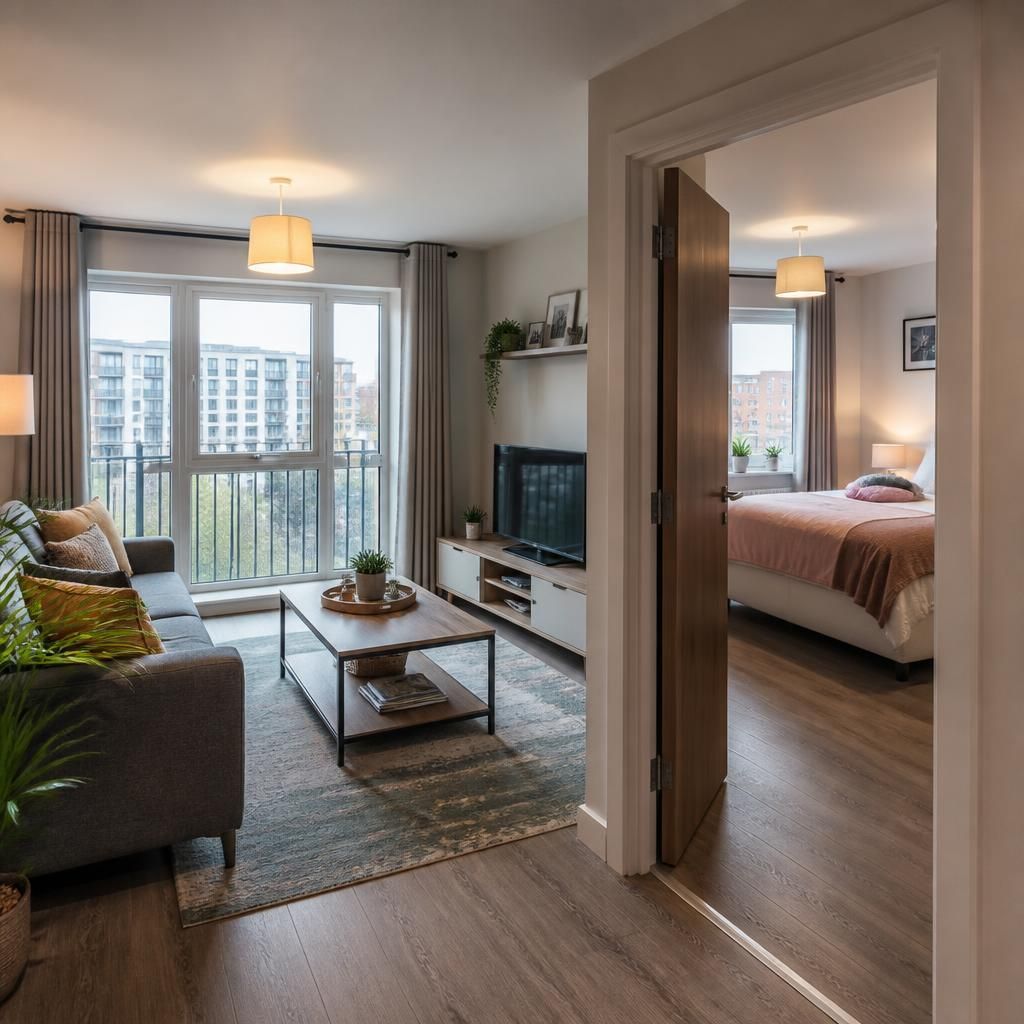
For a flat, emergency planning is an important part of deciding whether the home can support a foster placement. You should be able to explain how a child would be kept safe if there were a fire, loss of access to the building or another urgent situation.
Consider practical arrangements such as:
- where smoke alarms and other safety equipment are located, and how they are maintained;
- which exit route you would use if the lift could not be used;
- how you would support a child who is anxious, asleep or has additional needs during an evacuation;
- whether windows, balconies and external doors can be secured appropriately; and
- how emergency services could reach the property through a shared entrance or controlled-access building.
These arrangements should form part of your wider safer-care plan. Raising any uncertainties during the assessment allows them to be considered alongside the child’s needs and the practical features of the flat.
Find out whether your flat could be suitable for fostering
Discuss your flat and household circumstances with Become a Foster Family to understand the next steps in assessing your suitability to foster. The team can explain the information and property details needed for your application.