
How long does the fostering application process take?
The fostering application process has no single fixed timescale, because it depends on completing training, assessments, safeguarding checks, references and the fostering panel’s decision. Your fostering service should explain each stage, identify any information still needed and keep you informed as your application progresses.
Partnering with an
Ofsted Outstanding Provider
A complete fostering application is normally measured in months rather than days or weeks. The process includes several stages, and some can run alongside one another, while others must be completed before an approval decision can be made. Your individual circumstances, the information available to the fostering service and the time needed to clarify any issues will all affect the overall timescale.
The main stages are usually:
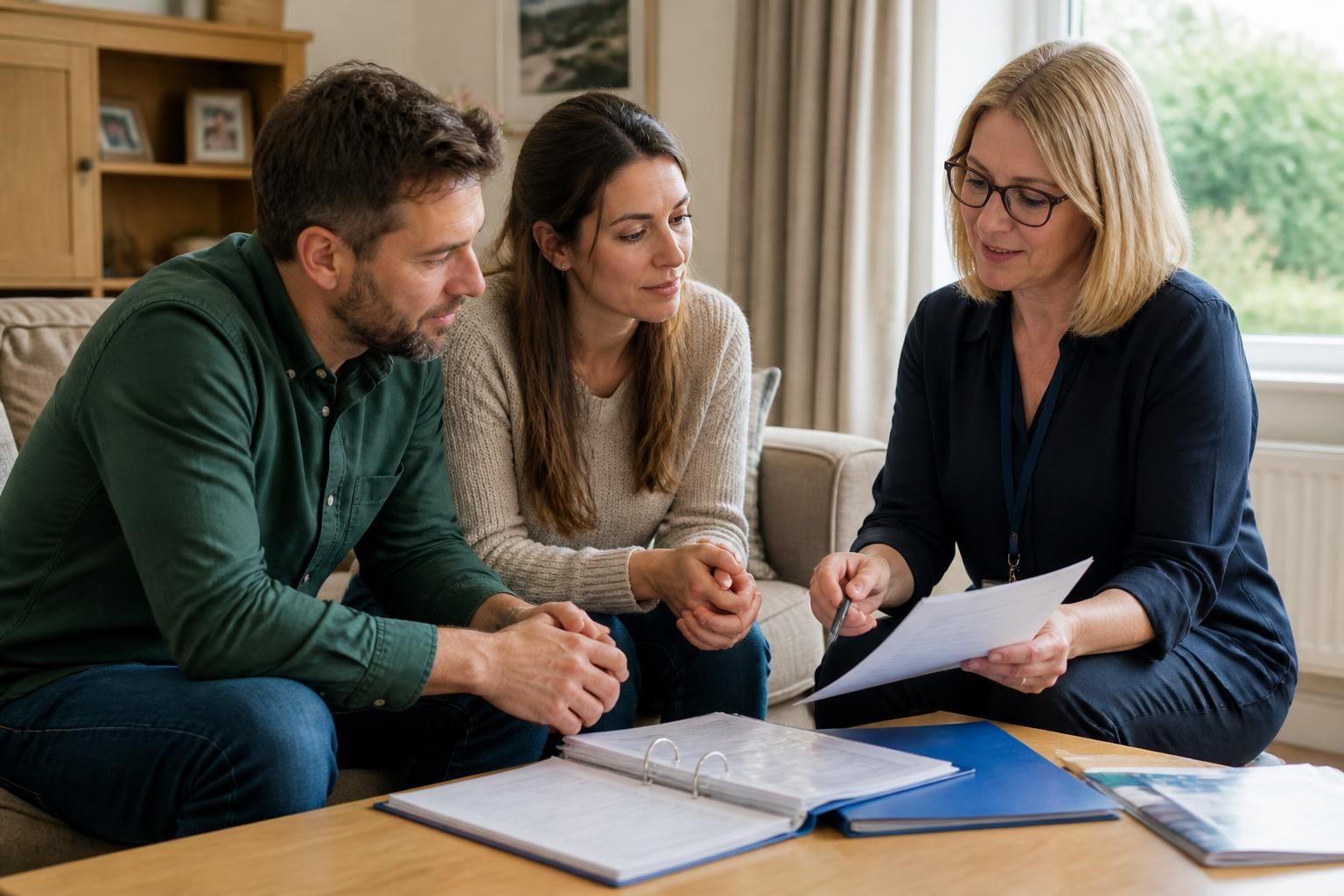
- Initial enquiry and discussion: You provide basic information about yourself, your household and your reasons for considering fostering. A fostering adviser should explain the eligibility criteria, types of fostering, likely commitments and the next steps. This is an opportunity to ask questions before deciding whether to proceed.
- Initial checks and a home visit: The service may discuss your health, employment, relationships, accommodation, family circumstances and previous experience of caring for children. A visit to your home helps the assessing social worker understand your household and identify any practical requirements.
- Skills-to-foster preparation: Applicants usually complete preparation training before approval. This introduces the needs of children in care, safeguarding, behaviour, attachment, working with birth families and the role of the wider professional network. Completing the training helps you and the service decide whether fostering is suitable for your household.
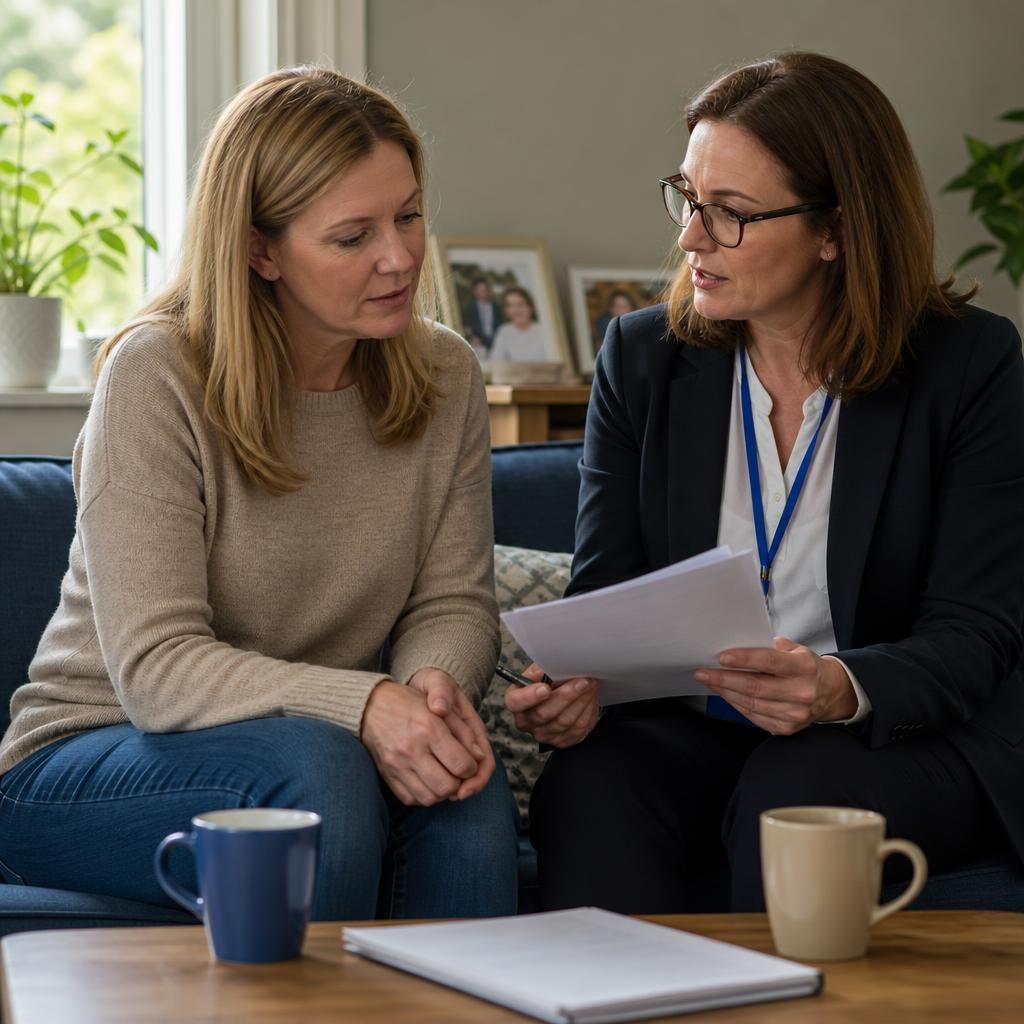
- Full fostering assessment: An assessing social worker gathers detailed information about your background, relationships, parenting or caring experience, support network, values and ability to work with professionals. You should expect honest conversations about areas such as your own childhood, significant life events, health and any past difficulties. The purpose is to understand your strengths and identify any support or further information needed.
- Checks, references and supporting evidence: These can include criminal record checks, health information, employment or personal references and checks relating to other adults in the household. The service may also need evidence concerning your accommodation, finances, identity or permission to foster if you rent your home. Information from previous countries of residence, employers or professionals can take additional time to obtain.
- Fostering panel and final decision: Once the assessment report and supporting information are complete, they are considered by the fostering panel. The panel makes a recommendation, which is then considered by the agency decision-maker. You should receive the outcome and an explanation of what happens next.
Not every part of the process follows a straight line. For example, training may take place while references are being collected, but the assessment cannot be finalised until the required evidence has been considered. If a document is missing, a reference is delayed or a professional needs to provide further clarification, the social worker may need to pause or extend part of the assessment.
Factors that can lengthen the process include:
- difficulty obtaining references, checks or medical information;
- periods spent living or working outside the UK, which may require additional checks;
- changes in employment, relationships, health or household circumstances during the assessment;
- building work or other changes needed to make the home suitable;
- the need for further assessment, specialist advice or additional training; and
- panel dates and the time needed to complete the agency’s decision-making process.
A longer assessment is not necessarily a negative sign. The service has to make a careful decision about whether fostering is appropriate and what type of placement could be safely supported. It is better for questions to be explored properly than for important information to be overlooked.
You can help avoid unnecessary delays by providing accurate information at the outset, returning forms promptly, attending arranged training and meetings, identifying suitable referees and telling your assessing social worker about any change in your circumstances. It is important not to minimise past events or leave out relevant information. Disclosing information early allows the service to assess it properly and explain whether further evidence is needed.
Ask your fostering service for a written outline of the stages, the documents it needs from you and the points at which it will review progress. You can also ask who your main contact is, how often progress will be discussed and what will happen if a check or assessment task is delayed. These questions will give you a more useful expectation than relying on a standard timescale, because applications differ considerably between households.
Approval is the end of the application process, not the same as a child being placed with you. After approval, the service still needs to consider your approved fostering terms, skills, household and available space when identifying suitable placements.
When asking how long the fostering application process takes, check what the fostering service means by the start date. Some services may count from your initial enquiry, while others begin measuring the assessment after your formal application or first assessment meeting. This distinction can make quoted timescales appear different even when the same stages are involved.
Ask which milestones the service uses to monitor progress, such as completion of preparation training, submission of references, completion of the assessment report and presentation to panel. You can then understand what has been completed, what remains outstanding and whether the current timetable has changed. If your circumstances mean you need to pause or reconsider your application, discuss this with the service so that the assessment record accurately reflects your position before it continues.
Ask about your fostering application timescale
If you are considering fostering, contact Become a Foster Family to discuss your circumstances and the next steps in making an application. You can ask questions about the assessment and what information you will need to provide before deciding whether to proceed.