
Can I foster if I live in Bromsgrove?
Yes, living in Bromsgrove does not prevent you from fostering. Your circumstances and suitability will be considered through the fostering assessment, including whether you can provide a safe, stable and nurturing home for a child or young person.
Partnering with an
Ofsted Outstanding Provider
Living in Bromsgrove is compatible with fostering if you meet the required eligibility and can offer the practical stability needed for a child or young person. The assessment looks at your household as a whole, including your home, health, relationships, experience, motivation and ability to work with fostering professionals.
Common requirements include:
- Age: applicants are generally expected to be at least 21. There is no upper age limit in itself; your health, energy and ability to meet a child’s needs are considered individually.
- Accommodation: you will normally need a spare bedroom for a foster child. The room should be suitable, safe and appropriately furnished. Requirements can vary according to the age and needs of the child.
- Household circumstances: you can enquire whether you live alone, with a partner or as part of a family. Everyone in the household will need to understand how fostering could affect daily life and take part in relevant discussions.
- Legal and safeguarding checks: adults in the household undergo checks, including criminal record checks and local authority checks. Previous convictions do not automatically rule out an application, but they must be considered openly and honestly.
- Health: fostering can involve appointments, school contact, advocacy and support during difficult periods. A medical assessment helps determine whether your physical and emotional health is compatible with these responsibilities.
- Financial stability: you should be able to manage your normal household finances without relying on fostering payments to meet essential living costs. Details of fostering allowances and other payments can be explained during the enquiry process.
- Availability and flexibility: children may need support with education, contact arrangements, health appointments and changes in routine. Your work, childcare and other commitments will be discussed to establish what type of fostering could be suitable.
You do not necessarily need previous experience of working with children. Experience gained through parenting, caring, education, youth work, health or community roles may be relevant, but the assessment is based on your individual circumstances. You can also foster if you rent your home, provided the accommodation is suitable and you have permission where this is required.
Some circumstances need particular consideration. If you have children living at home, their views and needs form part of the assessment. Pets will also be discussed because animals must not create a safeguarding risk. Smoking, health conditions, other adults in the household and any significant changes in your circumstances should be disclosed so that they can be assessed properly.
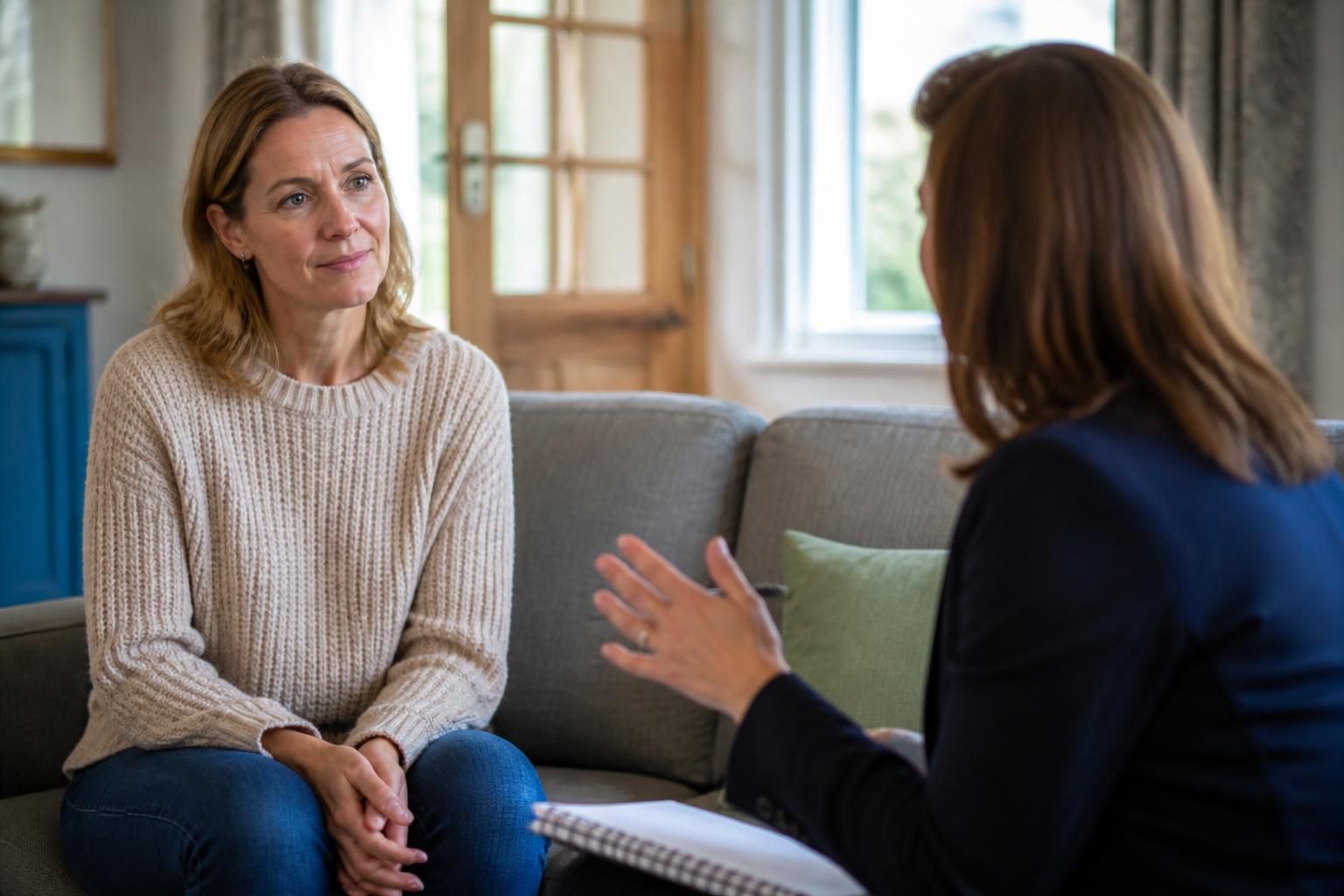
The usual route begins with an initial conversation and an information-gathering stage. If fostering appears suitable, you complete an application and take part in preparation training. A social worker then carries out a detailed assessment, which may include home visits, interviews with household members, references, checks and discussions about the kinds of placements you could consider. The completed assessment is reviewed through the relevant fostering decision process before approval is granted.
Approval is not based simply on where you live. The key question is whether your household can meet the needs of a child safely and consistently, and whether you can work constructively with social workers, schools, birth families and other professionals. If your circumstances are not suitable for one type of placement, the assessment may identify a different option or explain what would need to change before you apply.
If you are unsure about a specific issue, such as your spare room, employment, health, relationship status, rented accommodation or previous experience, it is sensible to raise it at the enquiry stage. An early discussion can clarify whether fostering is realistic for your household before you commit to the full assessment.

People living in Bromsgrove can access local fostering guidance through Become a Foster Family’s regional team. The organisation has an office in Droitwich, with staff based across the West Midlands, so enquiries and assessment discussions can be connected to support that reflects the area in which you live.
This local connection can help you understand how fostering may fit around your household, travel, work, school arrangements and other responsibilities. It also gives you an opportunity to raise practical questions about your circumstances before deciding whether to proceed with an application.
Discuss fostering in Bromsgrove
If you are considering fostering in Bromsgrove, contact Become a Foster Family to discuss your circumstances and ask questions before deciding whether to apply. The team can explain the next steps for making an initial enquiry.