

Can I foster if I live alone in Dudley?
Yes, you can foster if you live alone in Dudley; being single is not a barrier to becoming a foster carer. You will still need to meet the usual requirements, including having a suitable home, enough time to care for a child or young person, and completing the required checks, assessment and training.
Partnering with an
Ofsted Outstanding Provider
For someone who lives alone, the fostering assessment focuses on how you would provide consistent care, manage the practical demands of fostering and use appropriate support. The assessment is not simply about whether another adult lives in your household; it considers your overall circumstances, skills, routines and preparation for caring for a child or young person.
Support outside your household is particularly important. Foster carers may need help with transport, appointments, school or college arrangements, practical tasks and periods when caring becomes demanding. You will be expected to identify people who could form part of your support network. This might include relatives, friends or other trusted adults, although they would not replace your responsibility as the foster carer. Their suitability and involvement may be discussed during the assessment.
Your assessing social worker will explore how you would manage everyday fostering responsibilities on your own. Topics may include:
- your work, social and personal commitments;
- how you would organise school runs, meetings, appointments and contact arrangements;
- who could provide practical or emotional support when needed;
- how you would respond to illness, emergencies or changes in a child’s routine;
- how you would maintain boundaries while helping a child feel secure; and
- how fostering could affect your household, relationships and existing responsibilities.
The type of placement you are being considered for will also be relevant. A child’s age, needs, contact arrangements and level of support can affect the practical demands of the role. Your agency should discuss which placements may be appropriate for your circumstances rather than assuming that every type of placement will suit every applicant.
Living alone does not mean you must manage fostering without professional guidance. Foster carers work with their fostering service, the child’s social worker, education professionals and other members of the child’s team. You should be given information about the support available, who to contact about placement issues and how concerns are recorded and reviewed.
The application process normally involves an initial discussion, an application, statutory and personal checks, references, health information, preparation training and a detailed assessment. The assessment will consider your home, experience, understanding of children’s needs, safeguarding awareness and ability to work with professionals. It may also examine how you would protect your own wellbeing and recognise when you need advice.
If you are approved, you will continue to receive guidance and training as your fostering experience develops. Financial support may also be available for approved foster carers, with the amount depending on factors such as the placement and the fostering service’s arrangements. It is sensible to ask for the current allowance information before making a decision.
A useful next step is to speak openly with Become a Foster Family about your living arrangements, support network and the type of fostering you are considering. This gives you the opportunity to understand the assessment in practical terms and identify anything you may need to put in place before applying.
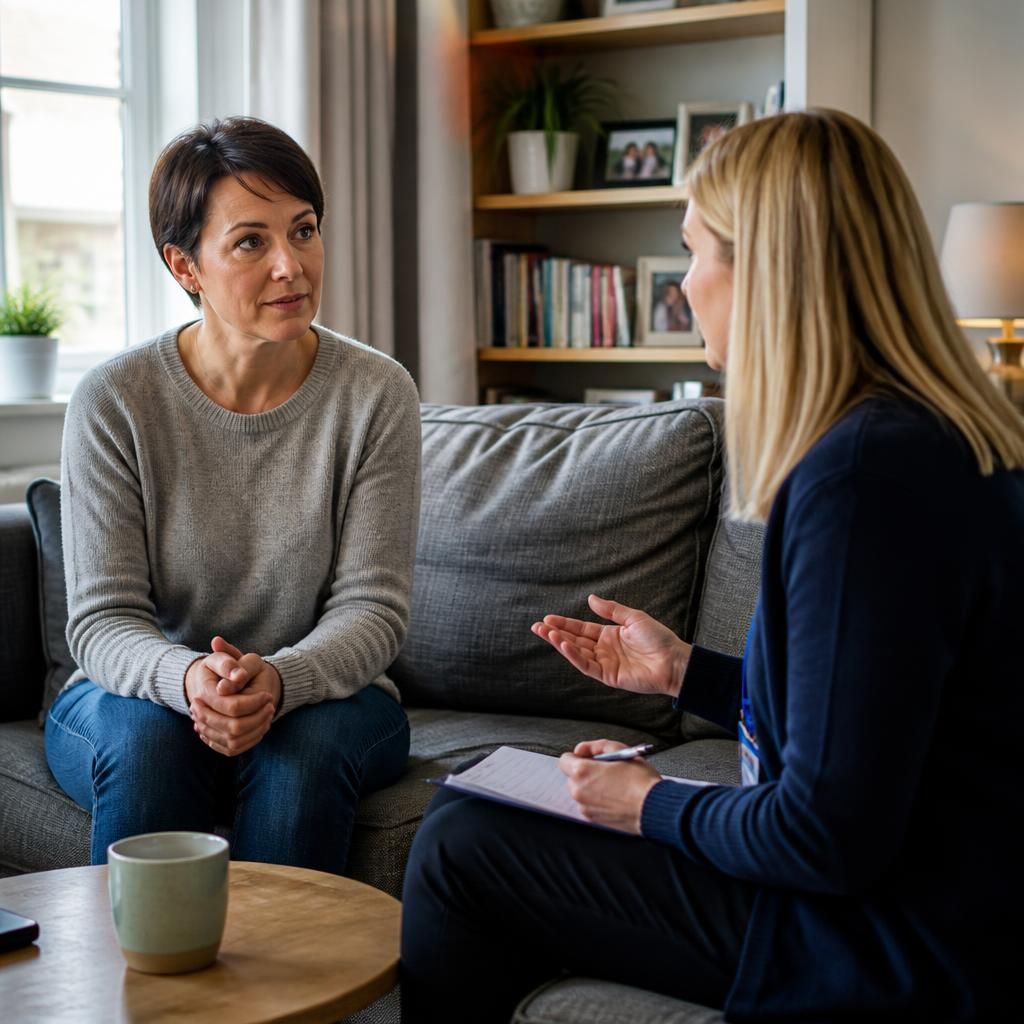
Living alone does not prevent you from fostering, but your household routines and visitors will need to support a child’s privacy and safety. During the assessment, you may be asked about people who regularly visit, overnight guests and how you would manage social activities while a child is living with you.
You would need to follow safer-caring guidance, including clear boundaries around bedrooms, personal space, use of social media and contact with visitors. Friends or relatives cannot automatically take on caring responsibilities, and you should not assume that a child can be left in their care. Discussing these arrangements with your fostering service helps you understand what is appropriate for the type of placement you are considering.
Discuss Fostering as a Single Applicant
Arrange an initial conversation with Become a Foster Family to ask questions as a single applicant and decide whether to begin the fostering application process.