

Can I foster in Herefordshire if I have pets?
Yes, having pets does not automatically prevent you from fostering in Herefordshire. During the assessment, each pet is considered individually, including its temperament, behaviour, health, living arrangements and how safely it can be managed around a foster child.
Partnering with an
Ofsted Outstanding Provider
Pet ownership is considered as part of the wider fostering assessment, with attention given to whether the animals, the home environment and the proposed care arrangements can safely meet a foster child’s needs. The focus is not simply on the type of pet you have, but on the individual animal and how it behaves, is managed and fits into family life.
Your assessing social worker may discuss:
- your pet’s temperament, behaviour and history around children, visitors and unfamiliar situations;
- whether the animal has shown fear, aggression, guarding behaviour or difficulty coping with change;
- where the pet eats, sleeps and spends time, including whether it can be kept away from a child when necessary;
- how supervision, exercise, feeding, cleaning and veterinary care are managed;
- any health considerations, allergies, infections or other risks relevant to a child;
- how your pet may respond to a child who is anxious, impulsive, distressed or unfamiliar with animals; and
- the effect that fostering may have on the animal’s welfare and routine.
All pets should be disclosed during the assessment, including dogs, cats, small animals, birds, reptiles, horses and livestock. This allows the fostering team to consider the complete household rather than discovering an animal later in the process. You may be asked for information about veterinary care, vaccinations or previous incidents, depending on the type of animal and the circumstances.
A pet’s presence can be particularly relevant when considering the needs and experiences of an individual child. Some children may be comfortable around animals, while others may be frightened, allergic or unable to recognise appropriate boundaries. A child may also have experienced neglect or harm involving animals. These factors are considered when deciding whether a particular placement is suitable and what safeguards are needed.
Possible safeguards could include keeping a pet and child separated at certain times, using secure areas or barriers, supervising all contact, and agreeing clear household rules about feeding, handling and entering an animal’s space. Children should not be expected to manage an animal independently, and adults remain responsible for making sure contact is safe. The arrangements should be realistic for your home and workable alongside the child’s care plan.
Pet ownership may affect which placements can be considered, but it does not usually produce a simple yes-or-no answer on its own. The assessment looks at the combined circumstances of your household, the animal and the children who may need care. If concerns arise, your assessing social worker should explain them and discuss whether practical arrangements can reduce the risk. Where a particular pet or setting cannot be managed safely, some placements may not be appropriate.
The assessment will also consider the views of everyone in the household. This includes how adults and children understand safe behaviour around animals, whether household members can follow agreed boundaries, and whether the pet is likely to cope with visitors and changes in routine. You should be open about any concerns, even if an incident seems minor, because accurate information helps the team make a suitable plan.
Before approval, ask how pets will be considered in your household assessment and what information will be needed. You should also discuss what would happen if you acquire a new pet, if an animal’s behaviour changes, or if a child develops an allergy or fear after moving in. Foster carers continue to receive guidance and support after approval, so changes involving pets should be shared with the fostering team rather than managed in isolation.
If you are considering fostering and have pets, you can begin by making a clear list of the animals in your home, their routines, any relevant health or behaviour history, and the steps you already take to keep children safe around them. This gives the assessment a practical starting point and helps identify suitable safeguards early.
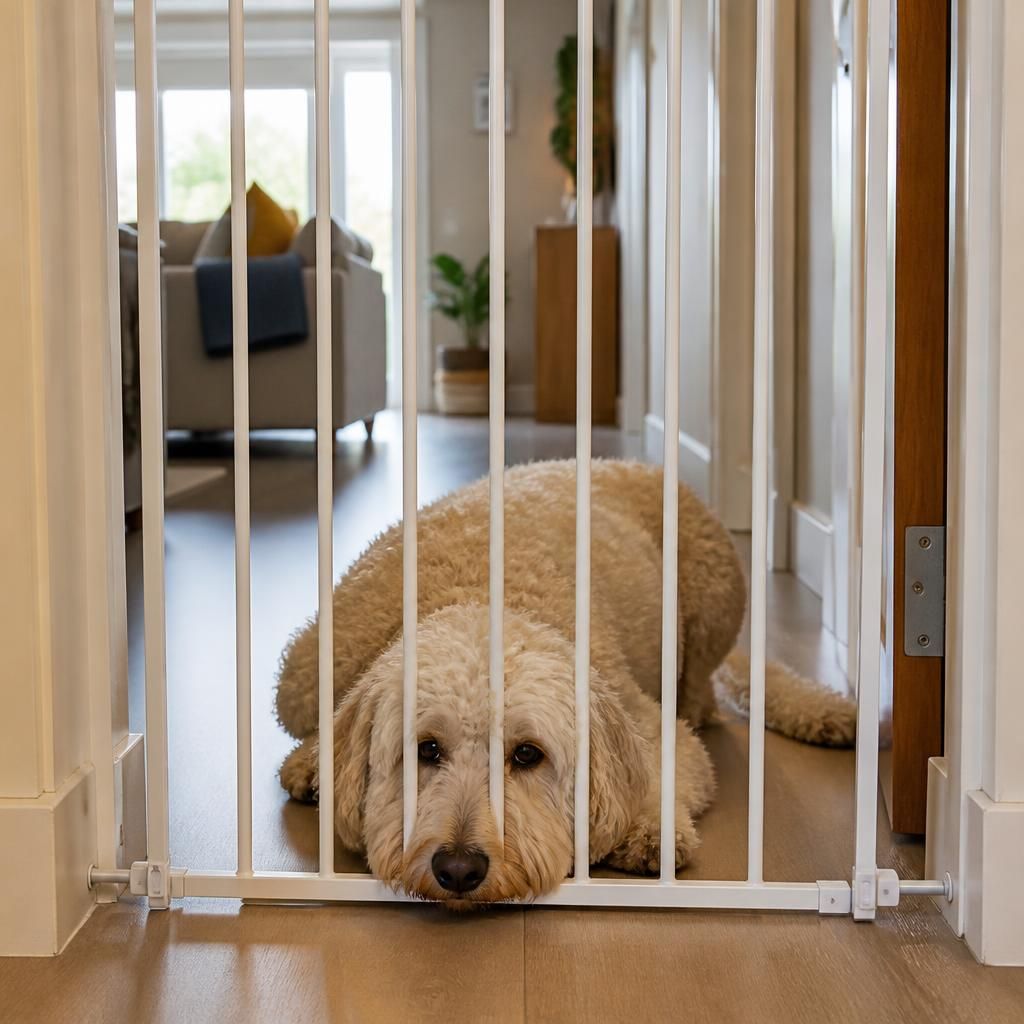
Pet ownership may influence the type of fostering arrangement that is suitable for your household, rather than preventing you from applying altogether. When a placement is being considered, relevant information about your animals should be discussed alongside the child’s needs, so any concerns can be identified before you agree to care for them.
Discuss fostering with pets in Herefordshire
If you have pets and are considering fostering in Herefordshire, speak to our fostering team about your household and the next steps towards applying.