
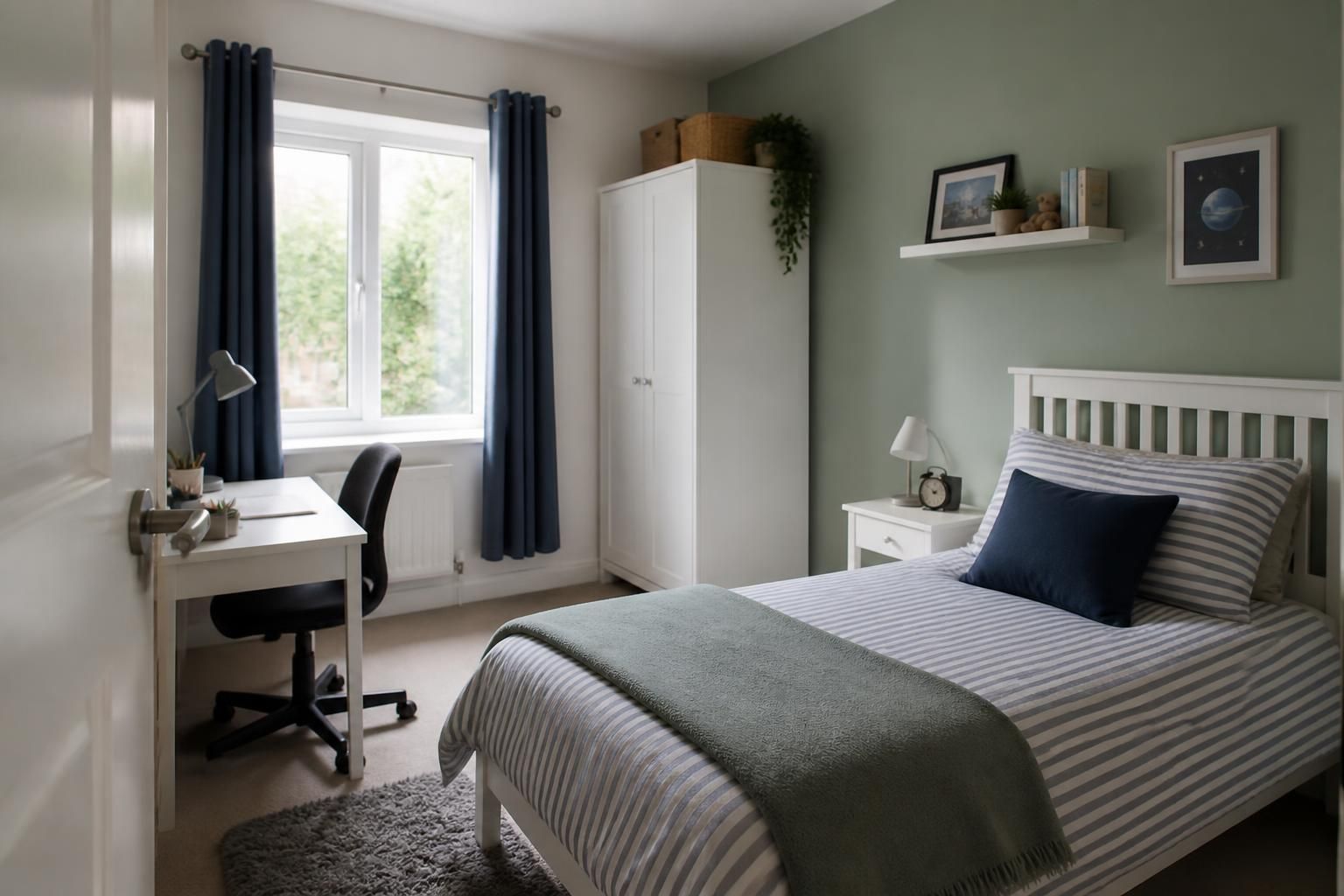
Do I need a spare bedroom to foster in Herefordshire?
Usually, yes: a foster child should have their own bedroom to provide privacy, security and personal space. There can be limited exceptions depending on the child’s age, needs and placement circumstances, which will be considered during your fostering assessment.
Partnering with an
Ofsted Outstanding Provider
The bedroom offered to a foster child must be safe, suitable and available for their sole use in ordinary circumstances. It should provide privacy, personal space and somewhere to keep clothes and belongings, rather than being used as a general-purpose room that other household members need to access.
During your fostering assessment, your assessing social worker will consider the room itself and how it fits within your household. This usually includes:
- whether the room is large enough for the proposed age and number of children
- safe access, suitable heating, ventilation and lighting
- appropriate furniture, including a bed and storage
- privacy from other members of the household
- fire safety and any other household risks
- whether the room can remain available when a child is placed
You do not normally need to have the room fully prepared before making an initial enquiry. However, the space will need to be ready before a child moves in, and any changes identified during the assessment should be completed before approval or placement, depending on the circumstances.
The room arrangement also forms part of decisions about the children you may be approved to foster. A bedroom suitable for one younger child may not be suitable for siblings, older children or a child with particular care, mobility or sensory needs. The assessment will therefore look at the available space alongside your experience, household circumstances and the type of fostering you are considering.
There are circumstances in which room-sharing or another temporary arrangement may be considered, but these are not automatic exceptions. They depend on factors such as the child’s age, relationship to any other child in the room, individual needs, safeguarding considerations and the views of the fostering service and placing authority. Any arrangement must protect the child’s privacy, safety and wellbeing.
Your own children and other household members will also be included in the discussion. Their bedrooms, routines and views may be relevant, particularly if a proposed arrangement would affect their privacy or require them to share space. A foster child should not be placed simply because a room appears to be available; the arrangement must be appropriate for everyone in the household.
If you do not currently have a suitable spare bedroom, speak to the fostering team before making changes or assuming that you cannot apply. They can explain the relevant expectations, consider your proposed layout and advise what would need to be in place for your assessment. The final decision is based on the suitability of your home and the needs of the children you may foster, not just on the number of bedrooms in the property.
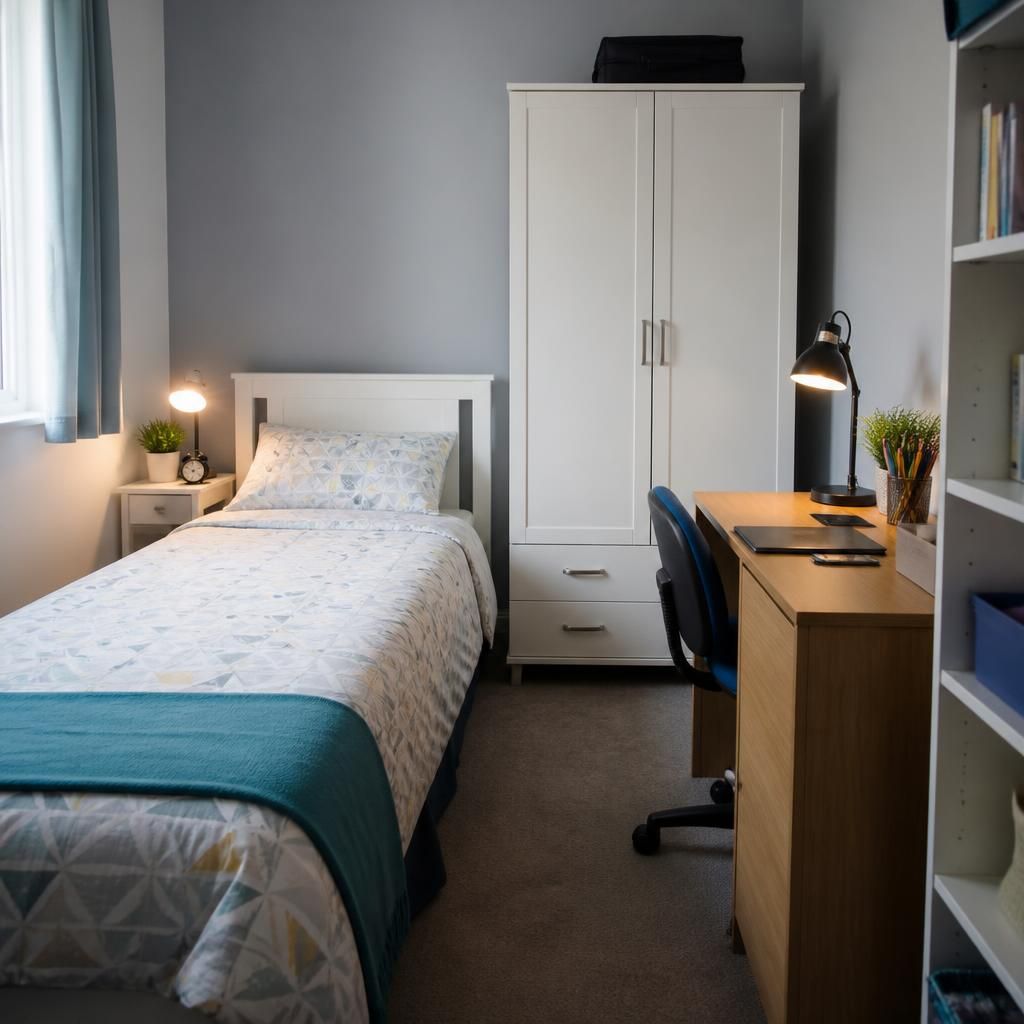
A spare bedroom does not have to be left unused before approval, but you should discuss any planned changes to its use with the fostering team. For example, converting the room into a permanent office, using it for another household member or changing the sleeping arrangements could affect which placements would be suitable.
It is helpful to explain your plans during the assessment, rather than making assumptions about what will be accepted. The assessing social worker can consider how the room would function in practice and whether your proposed fostering age range remains appropriate. If your household or accommodation changes after approval, tell the fostering service before accepting a placement so the sleeping arrangements can be reviewed.
Discuss your bedroom arrangements with our fostering team
If you are considering fostering, contact our fostering team to discuss your accommodation and find out what to do next. They can answer your questions before you decide whether to begin an application.