
How does the fostering assessment work in Redditch?
The fostering assessment in Redditch is a structured process that explores your suitability, circumstances, support network and ability to meet a child’s needs. It usually includes an initial enquiry, statutory checks, training, interviews, a home assessment and consideration by an fostering panel before a final approval decision.
Partnering with an
Ofsted Outstanding Provider
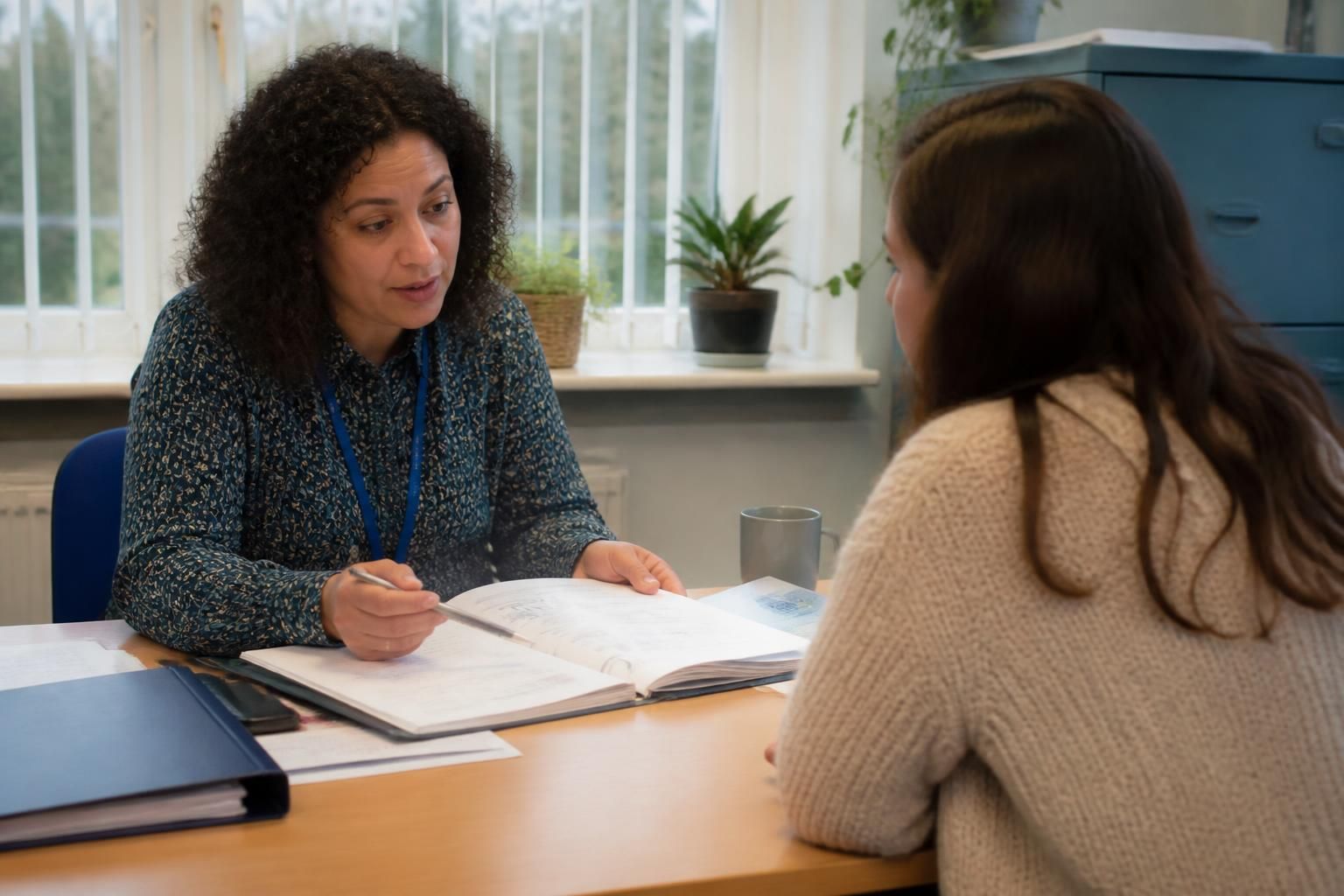
The fostering assessment in Redditch is a formal suitability assessment carried out by a qualified social worker. It considers whether you can provide safe, stable and consistent care, how fostering would fit within your household, and what support or preparation may be needed before approval. The assessment is evidence-based rather than a test of whether your family life is perfect.
Stage 1: initial checks and preparation
The first stage focuses mainly on the checks needed to establish your eligibility and any issues that may affect your application. These can include:
- identity and right-to-work or residence checks, where relevant;
- Disclosure and Barring Service checks for appropriate household members and other adults regularly involved in the home;
- local authority and other safeguarding checks;
- medical information from your GP or another health professional;
- employment, financial and household information; and
- references from people who know you well, such as employers or personal referees.
These checks are not intended to exclude people because of ordinary past difficulties. However, information that could affect a child’s safety or your capacity to foster must be considered carefully. You should disclose relevant history fully, including previous convictions, significant household changes, health matters and any concerns involving children. Withholding information can make the assessment more difficult than discussing it openly.
Stage 2: the full fostering assessment
The assessing social worker will meet with you several times and build a detailed picture of your experience, relationships, routines and approach to caring for children. If you are applying as a couple, both applicants will be assessed individually and together. Other members of the household may also be spoken to, because fostering affects everyone who lives in the home.
Topics commonly explored include:
- your reasons for wanting to foster and your understanding of the responsibilities involved;
- your childhood, family experiences and significant life events;
- your relationships, communication and ability to manage disagreement;
- how you respond to stress, challenging behaviour and uncertainty;
- your experience of caring for children or supporting people with additional needs;
- your attitudes towards identity, culture, religion, sexuality and family connections;
- your ability to work with social workers, schools, health professionals and a child’s birth family; and
- the practical arrangements for transport, bedrooms, supervision, contact and everyday routines.
The social worker will usually visit your home to consider safety, privacy and whether the space is suitable for the type of fostering you are considering. You do not need an elaborate or highly decorated house. The important points are that the home is safe, appropriately maintained and able to provide a child with suitable personal space and a predictable environment.
Training and supporting evidence
Pre-approval training helps you understand trauma, attachment, safeguarding, behaviour, safe caring and the impact of separation. Your participation gives the assessing social worker an opportunity to discuss how you apply new information, reflect on your own experiences and identify areas where further preparation would be useful. You may be asked to provide documents or explain information raised during checks, interviews or references.
The assessment is not based on one conversation. The social worker compares information from different sources and records the reasons for their recommendation. If something needs clarification, you should be given the opportunity to provide further information or discuss its relevance.
Assessment report and decision
At the end of the process, the assessing social worker prepares a written report covering your circumstances, strengths, potential risks, proposed approval terms and any support or development needs. You should have the opportunity to read the report and comment on factual inaccuracies before it is considered.
The report is then presented to a fostering panel, which reviews the evidence and makes a recommendation about approval. The final decision is made by the organisation’s agency decision-maker rather than by the panel alone. If you are approved, the decision will specify the category and number of children or young people you may foster, along with any relevant terms. These terms can be reviewed if your circumstances or fostering plans change.
How to prepare for the assessment
- Be open about your history, health, finances and household circumstances.
- Discuss the application with everyone who lives in your home.
- Think realistically about how fostering would affect work, relationships, routines and existing children.
- Consider who could provide practical and emotional support.
- Keep requested information organised and raise questions when you are unsure what is needed.
- Reflect on the types of behaviour, contact arrangements and uncertainty you may need to manage.
An assessment can pause or require additional work if circumstances change, information is incomplete or further safeguards are needed. That does not automatically mean the application will end. The most useful approach is to treat the process as a detailed discussion about whether fostering is suitable for your household and which arrangements would best protect a child.
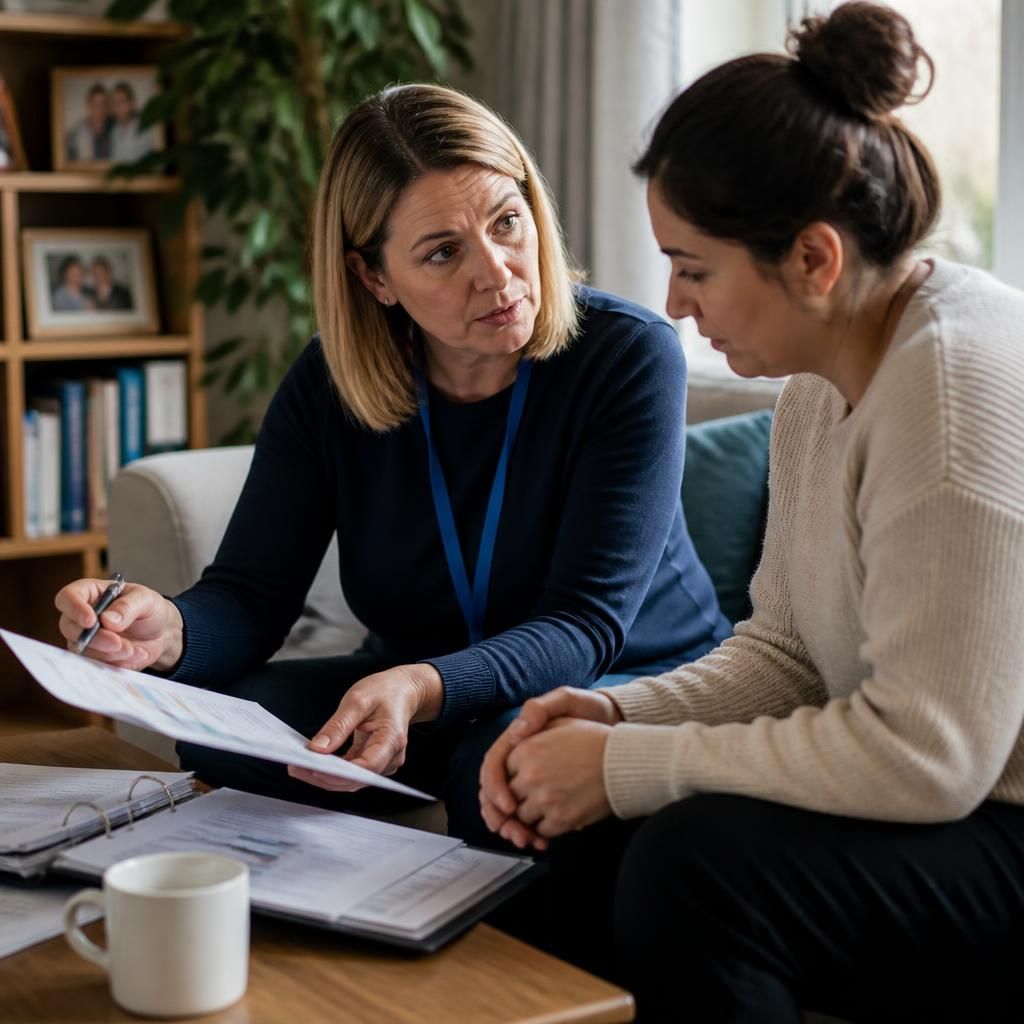
A fostering assessment does not require you to have previous fostering experience. The assessing social worker will consider how your existing experience, personal qualities and willingness to learn could transfer to caring for children who may have experienced disruption or trauma.
Useful evidence might include caring for your own children, supporting relatives, working with young people, managing responsibility at work or volunteering in the community. What matters is being able to reflect on what you did, what you learned and how you would adapt your approach to meet an individual child’s needs.
You are not expected to know everything before training begins. It is more helpful to identify areas where you need guidance than to give answers you think the assessor wants to hear. A thoughtful understanding of your strengths, boundaries and development needs gives the assessment a more accurate basis for deciding whether fostering is suitable for you.
Discuss your fostering assessment in Redditch
Contact our fostering team to discuss your circumstances and ask any questions about the assessment process. We can explain the next steps and help you decide whether fostering could be suitable for your household.