
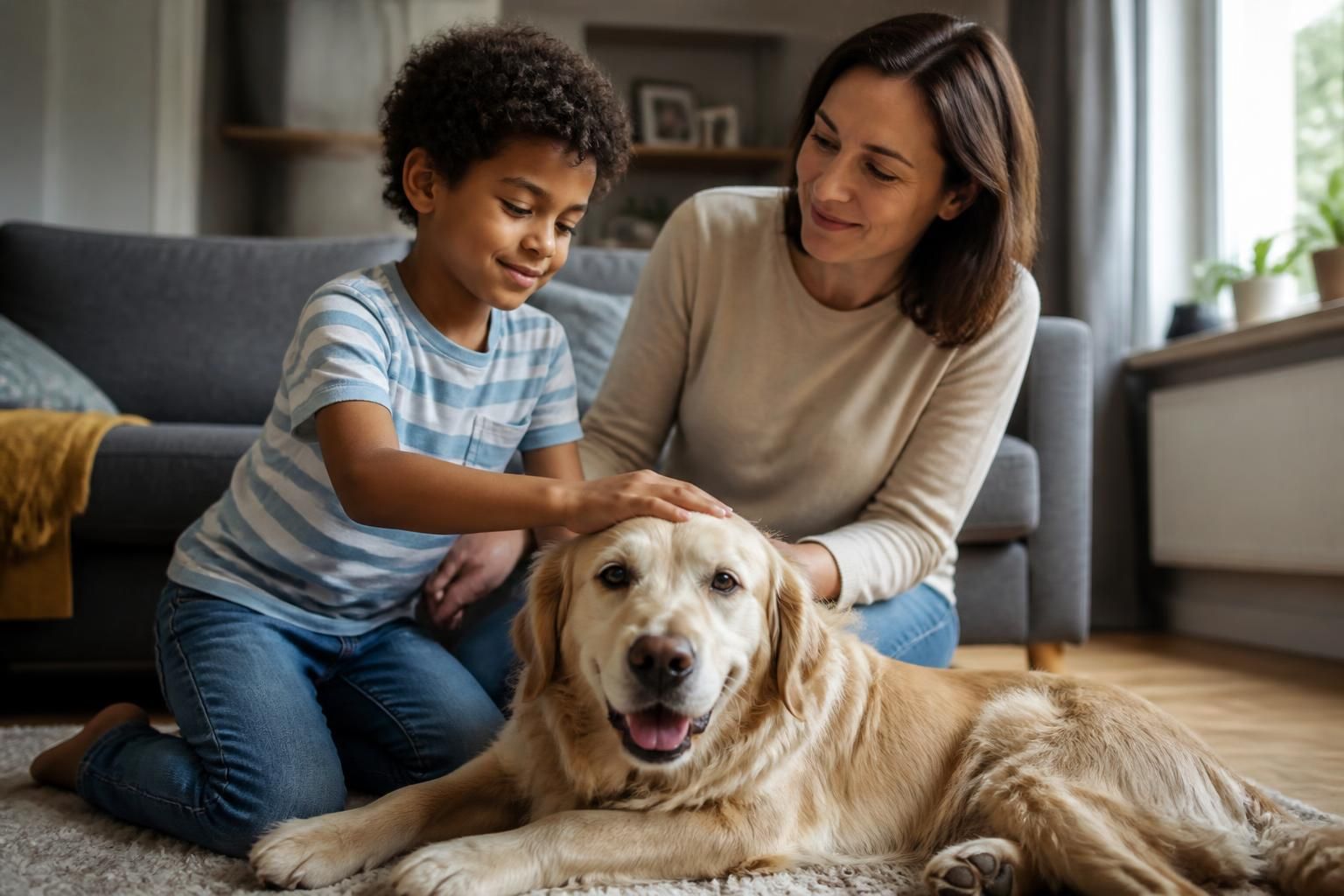
Can I foster if I have pets in Sandwell?
Yes, you can usually foster if you have pets in Sandwell, provided they are suitable to live safely alongside a fostered child or young person. Your pets will be considered as part of the fostering assessment, including their behaviour, health, temperament and how they may affect a child’s safety and wellbeing.
Partnering with an
Ofsted Outstanding Provider
Having a pet does not automatically prevent you from fostering in Sandwell. The assessment will focus on whether your home, routines and arrangements allow a fostered child to live safely and comfortably alongside the animals in your household.
Before applying, consider how each pet may respond to a child who is unfamiliar with animals. A child may be nervous around pets, overly enthusiastic, unpredictable or unable to recognise warning signs. Dogs and cats should be assessed in practical terms, including whether they can be handled safely, tolerate changes to their routine and remain calm around visitors. Other animals, such as rabbits, birds, reptiles, horses or livestock, will also need to be discussed because their care and housing may affect the placement.
The fostering assessment is likely to explore:
- where pets eat, sleep and spend time in the home;
- whether animals can be separated from a child when necessary;
- how you supervise contact between the child and each pet;
- your arrangements for feeding, exercise, cleaning and veterinary care;
- whether vaccinations, licences or other animal welfare requirements are up to date;
- how you would manage allergies, fears, unsafe behaviour or changes in a child’s presentation; and
- whether the household has enough space for the child to have appropriate privacy and personal belongings.
Foster carers remain responsible for preventing avoidable risks. Young children should not be left unsupervised with animals, and a fostered child should not be expected to care for a pet unless this has been considered appropriate and is properly supervised. Gates, crates, separate rooms or other arrangements may be needed, depending on the household and the child’s needs. A pet must also have a place where it can retreat without being disturbed.
Some children may have experienced neglect, harm or frightening incidents involving animals. Others may have strong attachments to pets or may test boundaries. Your supervising social worker will help you think through how your animals and the likely needs of a child could affect one another. This may influence which placements are suitable, rather than preventing you from fostering altogether.
It is important to provide accurate information about your pets during the application and assessment process. Be open about previous incidents, behavioural concerns, illness, access to the home and any professional advice you have received. Hiding a problem can create greater safety concerns later, whereas identifying it early allows appropriate precautions or specialist advice to be considered.
You may be asked to provide details such as veterinary records, insurance information or evidence of relevant training, depending on your circumstances and the animals you keep. The exact checks and recommendations will depend on the type of pet, the layout of your home and the age and needs of children who may be considered for placement.
If you are considering fostering in Sandwell, you can raise questions about your pets at the initial enquiry stage. You do not need to decide in advance that you must rehome an animal. The appropriate arrangements will be considered as part of your wider assessment, with the child’s safety and welfare remaining the central consideration.
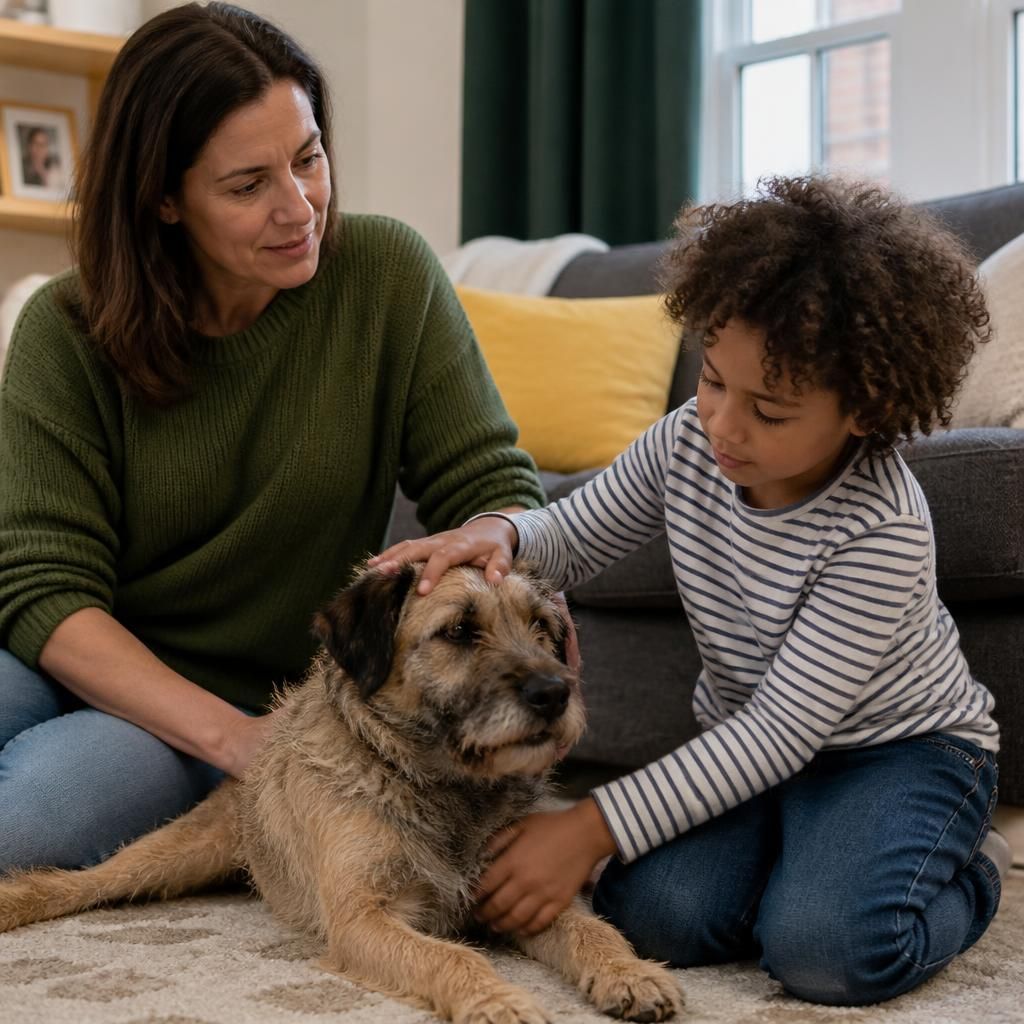
Pets should be treated as part of the household, not as a resource that a fostered child is expected to use or care for. A child should not be required to handle, feed, walk or play with an animal, and foster carers should avoid presenting pet contact as a reward or condition of fitting into the home.
During placement discussions, be clear about the boundaries that apply to your pets. The child may choose not to interact with an animal, even if the pet is usually sociable. Respecting that choice can help the child feel more secure while allowing the household’s normal routines to continue. Your fostering team can help you explain these arrangements when considering whether a particular placement is appropriate.
Discuss fostering with pets in Sandwell
If you are considering fostering with pets in Sandwell, contact Become a Foster Family to discuss your circumstances and the next steps towards an application.