
How is contact with a fostered child’s birth family managed in Sandwell?
Contact between a fostered child and their birth family is arranged through an agreed plan led by the child’s social worker, based on the child’s needs, relationships and safety. It may take place in a supervised setting or another suitable arrangement, with foster carers helping the child prepare and sharing relevant observations with the professional team.
Partnering with an
Ofsted Outstanding Provider
Birth family contact for a fostered child in Sandwell is managed as part of the child’s care plan, with arrangements reviewed as circumstances change. The child’s social worker coordinates the plan with the child, birth family, foster carers and other relevant professionals. The aim is to maintain important relationships without compromising the child’s welfare, privacy or emotional stability.
Contact may involve parents, brothers and sisters, grandparents or other relatives. The type and frequency depend on factors such as:
- the child’s age, wishes, communication needs and understanding of their circumstances;
- the nature of the relationship with each family member;
- any risks identified through safeguarding assessments;
- court directions or requirements in the child’s care plan;
- the likely emotional effect before, during and after contact; and
- practical matters such as travel, school, health appointments and the availability of suitable supervision.
Contact can be direct, such as a planned meeting, or indirect, such as letters, cards, telephone calls or video communication. Some meetings take place at a dedicated contact venue with a trained supervisor. Other arrangements may be considered when the assessment shows that they are appropriate. The location, people present, duration and expectations should be clear before the contact takes place.
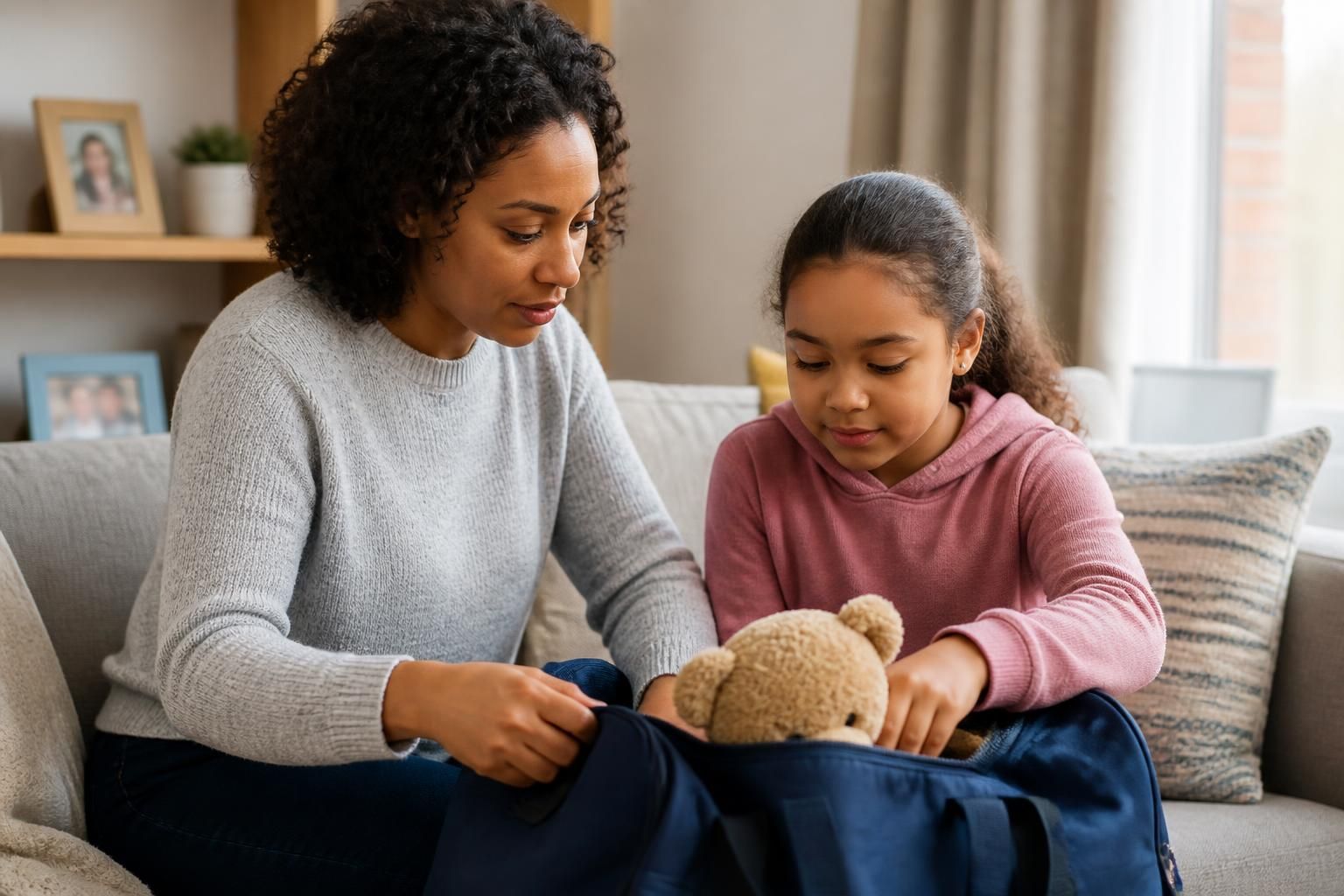
Foster carers are not expected to negotiate private arrangements with birth family members or make independent changes to the plan. Their role is to follow the agreed arrangements, help the child understand what will happen and provide practical support around attendance. This can include helping a child choose what to take, discussing worries in an age-appropriate way and maintaining a calm routine afterwards.
The child’s wishes and feelings should be considered, but they do not automatically determine the arrangement. Younger children may need help expressing their views, while older children may have clear preferences about how they communicate. Professionals should explain decisions in language the child can understand and consider whether contact is helping the child maintain a safe and meaningful connection.
Foster carers should keep appropriate professional boundaries. They should not share their personal address, telephone number, social media details or other private information unless this has been specifically agreed as safe and necessary. Information about the placement, school, routines and other household members should also be handled carefully. Any questions from a birth family member about legal decisions, reunification or changes to the placement should be passed to the child’s social worker rather than answered informally.
After contact, the child may appear settled, upset, withdrawn, angry or unusually energetic. These reactions do not by themselves prove that contact was harmful, but they are important information. Foster carers should listen without criticising the birth family, avoid asking leading questions and record factual observations, including what the child said in their own words where relevant. Concerns should be shared promptly with the supervising social worker and the child’s social worker.
Contact arrangements are not fixed permanently. They can be increased, reduced, changed or paused following professional assessment, a review of the care plan or a new court decision. A change may be needed if the child’s circumstances alter, a relationship develops, risks emerge or the existing arrangement is causing distress. Foster carers should continue using the agreed plan until they receive authorised instructions, unless there is an immediate safeguarding concern.
Where contact is missed or becomes difficult, the foster carer should report the practical facts rather than trying to resolve the dispute personally. The professional team can consider whether transport, timing, supervision, communication or preparation needs to be adjusted. Training and supervision also give foster carers an opportunity to discuss how to support family relationships while maintaining the child’s safety and emotional wellbeing.
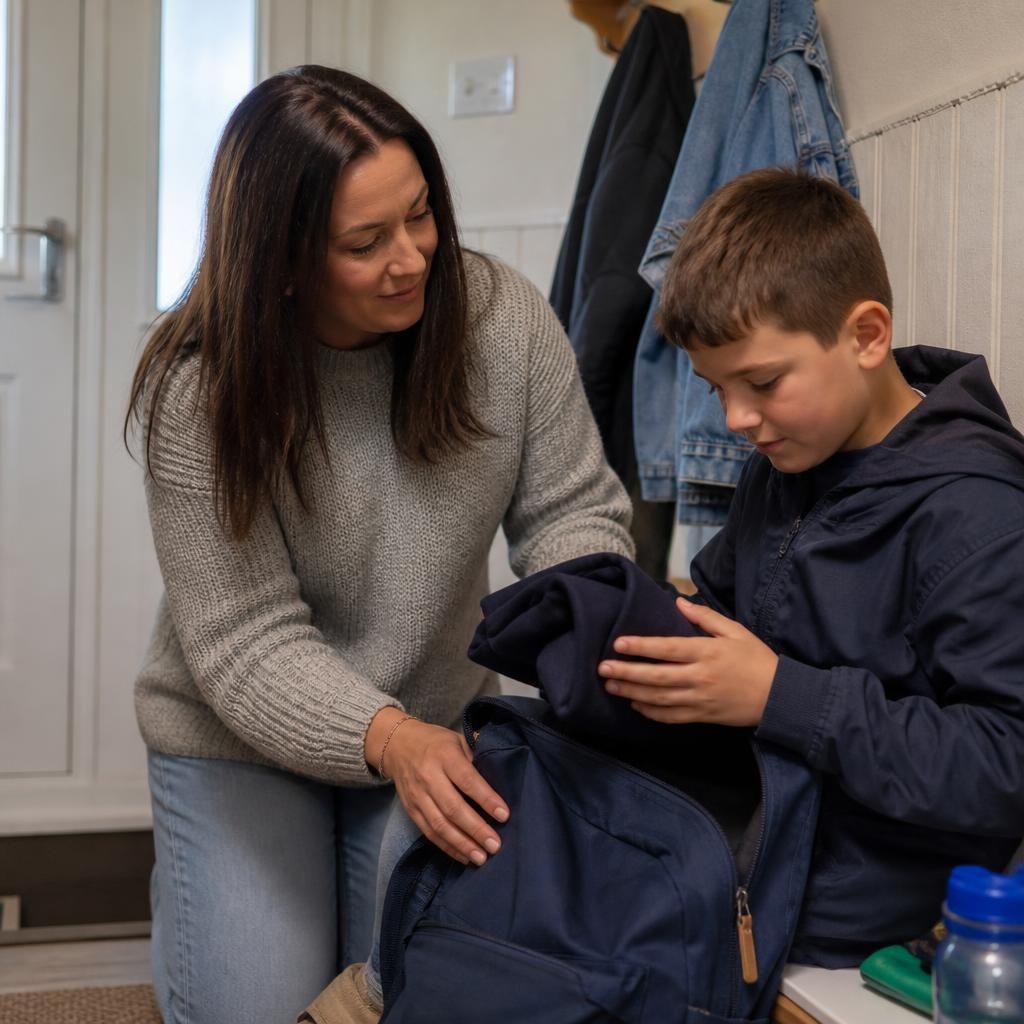
Contact with brothers and sisters may need separate planning, particularly when children are living in different foster homes or local authority areas. The social workers and foster carers involved should coordinate dates, transport, supervision and information sharing so that the arrangements are consistent and manageable for each child.
Foster carers can support sibling contact by helping the child prepare without creating pressure about how the meeting should go. Afterward, they should remain attentive to changes in the child’s mood or behaviour and share relevant observations through the agreed professional channels. The child’s relationships with siblings should be considered alongside their individual wishes, welfare and care plan.
Find out more about fostering and birth family contact in Sandwell
If you are considering fostering in Sandwell and would like to understand how birth family contact fits into the role, contact Become A Foster Family for guidance on the next steps.