

What checks are required to foster in Sandwell?
Fostering in Sandwell involves checks on your identity, criminal record, health, personal circumstances and home, including DBS checks for eligible household members and adult regular visitors. You will also provide references and information about your finances, relationships and suitability, so the fostering assessment can consider whether your household can offer a safe, stable environment for a child.
Partnering with an
Ofsted Outstanding Provider
The fostering assessment in Sandwell is a structured safeguarding process rather than a single background check. Its purpose is to build a clear picture of your circumstances, identify any risks, and decide whether fostering can be undertaken safely within your household. The assessment is considered as a whole, so one issue does not automatically determine the outcome.
As part of the process, you will normally be asked to give written consent for relevant enquiries to be made. The assessing social worker may need to contact organisations or people connected with your history, including previous local authorities where you have lived or fostered, and employers whose work is relevant to your suitability. If you have lived outside the UK, additional police or safeguarding information may be requested, depending on the country and the time involved.
Checks are also used to clarify information rather than simply to collect paperwork. You may be asked about:
- any previous involvement with children’s services, including support offered to your own family;
- previous applications to foster, adopt or provide other forms of care;
- significant changes in your household, such as a new relationship, separation, bereavement or a recent move;
- your employment pattern and how caring responsibilities would be managed;
- any health condition, medication or support need that could affect the practical demands of fostering; and
- the arrangements for everyone living in or regularly visiting the home.
A medical assessment is completed by your GP or another suitably qualified health professional using information requested by the fostering service. This is not intended to require perfect health. The relevant question is whether your health is compatible with the duties of fostering, including caring for a child whose needs may change over time. The assessing social worker may ask for further information if the report needs clarification.
Your home will be considered from a safety and suitability perspective. The assessment may look at sleeping arrangements, space, privacy, household routines, fire safety, pets, transport and any adaptations that may be needed. The aim is not to assess the style or value of your home, but whether it provides an appropriate environment for a child or young person. You should tell the assessing worker about planned building work, a proposed move or any change that could affect the arrangements.
People in your household are part of the assessment. Their views, understanding of fostering and willingness to follow safeguarding expectations may be discussed, including with children in the family in an age-appropriate way. The fostering service also needs to understand how regular visitors, partners who do not live at the address and other adults involved in family life may affect the child’s safety and privacy.
Information from checks is considered alongside interviews, training and the wider assessment report. The assessing social worker may ask you to explain an entry on a record, a gap in employment, a previous relationship or another point that needs context. Being open is important: withholding information can raise greater concerns than the original issue and may delay the assessment. If circumstances change while your application is progressing, tell the fostering service promptly so the assessment remains accurate.
A criminal record does not always prevent someone from fostering. The seriousness, relevance and date of an offence, together with any pattern of behaviour and evidence of change, will be considered carefully. Certain offences, particularly those involving children or serious violence or sexual harm, can create a legal bar or make approval unsuitable. The fostering service will explain the implications of any disclosure and whether further information is needed.
Once enquiries are complete, the evidence is compiled into an assessment report for consideration through the fostering service’s approval process. You should have an opportunity to comment on factual inaccuracies before the report is finalised. The decision focuses on safeguarding, capacity to meet a child’s needs, and the support and circumstances available to the household—not on whether you have an entirely problem-free personal history.
Before making an application, it is sensible to prepare details of addresses, employment, travel or time spent abroad, relevant relationships and people who can provide references. You should also discuss fostering with everyone in your household and consider whether any information may require explanation. A local fostering team can clarify which documents and consents are needed for your particular circumstances in Sandwell.
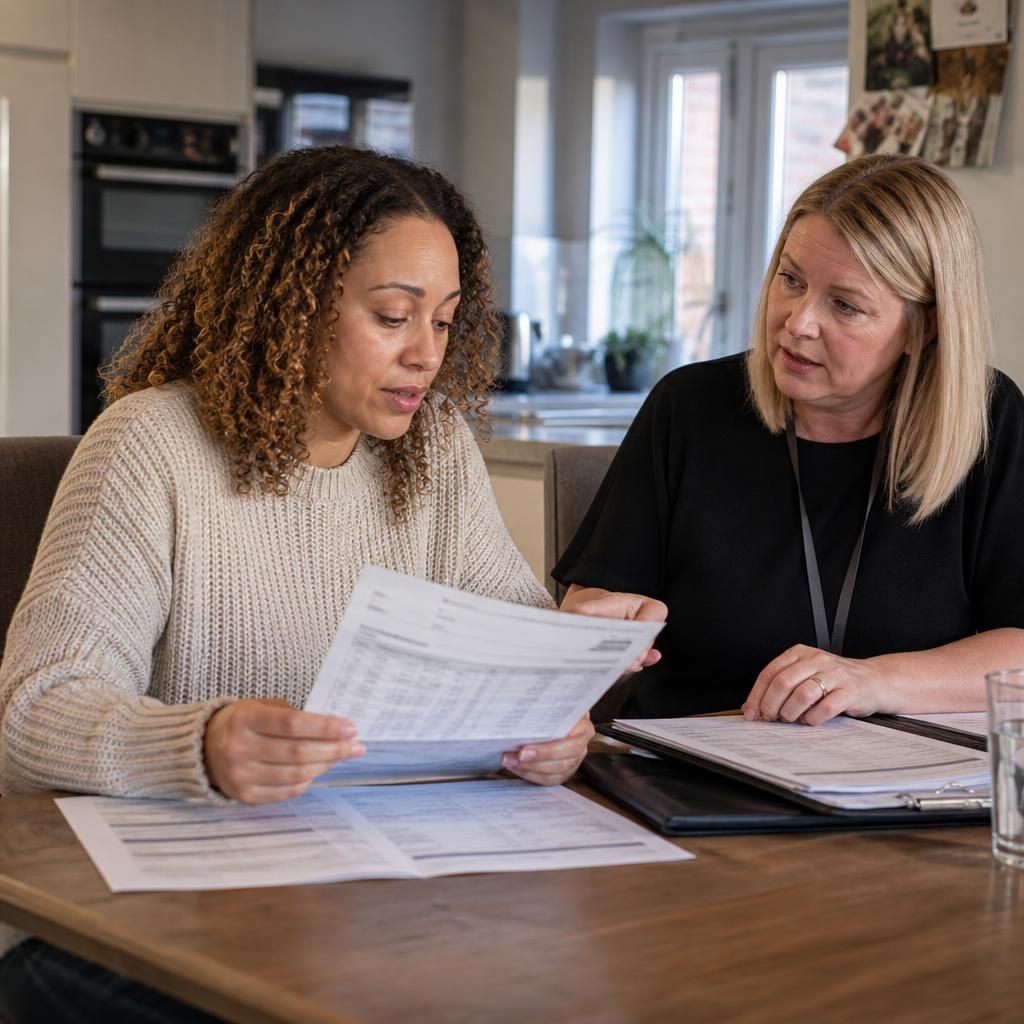
Financial checks are included to understand whether your household has a stable, manageable financial position before fostering. You may be asked about income, regular outgoings, debts, benefits and any changes that could affect your circumstances. The purpose is to consider whether you can meet everyday household commitments without relying on fostering payments to resolve existing financial difficulties. You do not need to be wealthy, but you should be able to explain how fostering would fit within your current budget.
If your financial circumstances change during the assessment, tell your assessing social worker. Clear, up-to-date information helps the fostering service assess your application fairly and identify whether any practical support or further explanation is needed.
Find out more about the checks required to foster in Sandwell
If you are considering fostering in Sandwell, contact Become a Foster Family to discuss your circumstances and the next steps in the application process. The team can explain what information and consent will be needed for your assessment.