
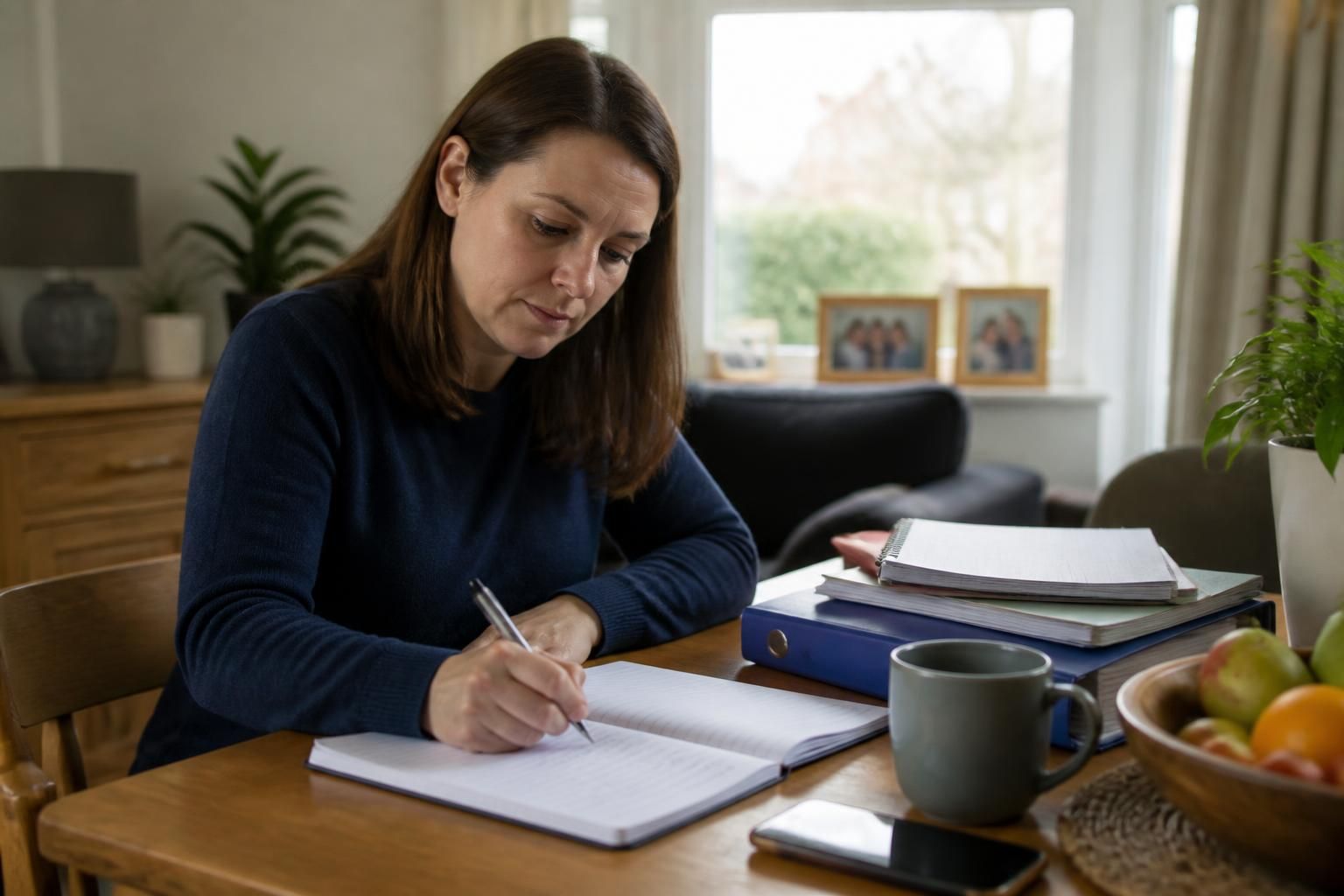
What records must foster carers keep in Sandwell?
Foster carers in Sandwell must keep clear, accurate and up-to-date records about the child’s care, including daily observations, significant events, accidents, medication, health and education appointments, and contact with family members. Records should be factual, stored securely, and completed in line with the requirements of the fostering service and the child’s placing local authority.
Partnering with an
Ofsted Outstanding Provider
Fostering records are contemporaneous written accounts that show how a child is being cared for, what decisions have been made and what information has been shared with professionals. In Sandwell, foster carers should follow the recording policy provided by their fostering service and any instructions from the child’s placing local authority, as these set out which forms, logs and reporting procedures apply.
Records commonly include:
- daily care notes, including routines, presentation, behaviour, activities, meals, sleep and any changes that may be relevant to the child’s wellbeing;
- significant events, such as missing episodes, disclosures, serious changes in behaviour, safeguarding concerns, police involvement or damage to property;
- accident, injury and medication records, including what happened, any treatment given and who was informed;
- details of health, dental, education and other appointments, together with agreed actions and follow-up required;
- contact records covering visits, telephone calls or online communication with parents, relatives and other important people, including whether contact went ahead and any concerns arising;
- records of meetings, reviews, professional visits and decisions that affect the child’s placement or day-to-day care;
- information about delegated authority, permissions and arrangements made with the child’s social worker, school or other professionals; and
- details of pocket money, personal belongings, clothing or expenses where the fostering service requires these to be recorded.
Each entry should be dated and, where required, timed and signed or attributed to the person who made it. Write as soon as reasonably possible while the details are fresh. Use clear, neutral language and distinguish between what you directly saw, what the child said and what another person reported. For example, record “Sam said he did not want to attend contact and was tearful before leaving” rather than making an unsubstantiated judgement about Sam’s feelings or a family member’s intentions.
Records should be sufficiently detailed for the supervising social worker, the child’s social worker and other authorised professionals to understand what happened and what action was taken. They should not contain speculation, insulting language, unnecessary personal opinions or comments about matters unrelated to the child’s care. If you make a mistake in a paper record, do not erase or obscure it. Follow the fostering service’s correction procedure so that the original entry remains identifiable and the amendment is dated and explained.
Some information must be reported immediately rather than left only in the daily log. This may include an allegation against a foster carer or another person, a serious incident, a missing child, an injury requiring medical attention, a safeguarding concern or an event that could affect the stability of the placement. Contact the designated person in your fostering service and follow its out-of-hours or emergency reporting instructions where applicable. Make a written record of who was contacted, when, what was reported and what advice or action followed.
Keep records securely and prevent children, visitors or unauthorised people from reading them. Paper files should be stored in a secure location, and electronic records should be protected using the security measures required by the fostering service. Do not leave notes, photographs or messages about a child where they can be seen by others, and do not discuss placement information on social media or with people who have no professional need to know.
Foster carers should not decide independently how long records are kept or whether they may be destroyed. Records made as part of fostering are normally managed in accordance with the fostering service’s retention, confidentiality and data protection procedures. At the end of a placement, ask the supervising social worker where the records should be sent or stored and whether any personal notes may be retained. Information should only be shared with people who are authorised to receive it, and only for a legitimate care, safeguarding or professional purpose.
Children may later want to understand what happened during their childhood, so accurate records can be important to their identity and life story. Record with that future reader in mind: be honest, respectful and specific, while still documenting difficult events clearly. If you are unsure whether something should be recorded or reported, ask your supervising social worker rather than leaving it out. Your fostering service should provide the relevant templates, explain its expectations during training and supervision, and review recording practice as part of ongoing support.
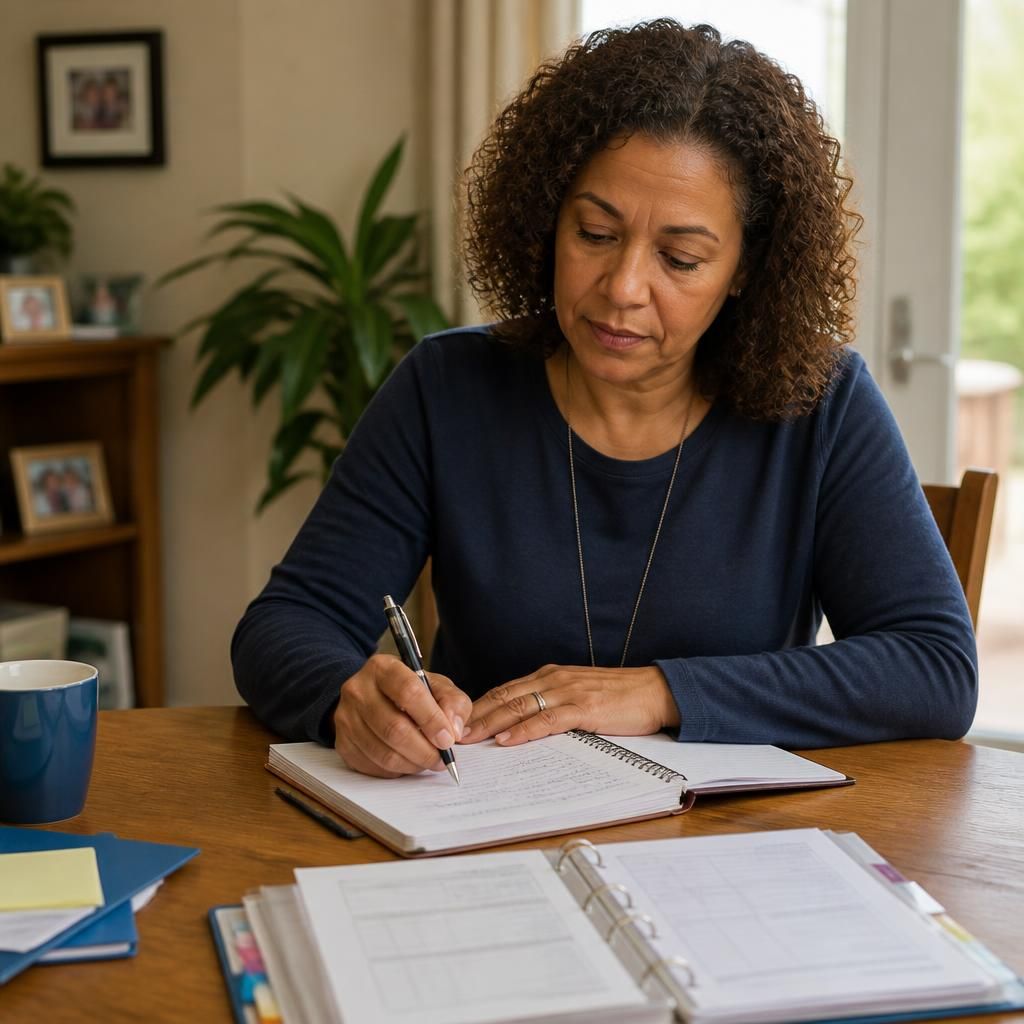
A useful part of a foster carer’s records is the child’s voice. Record the child’s wishes, feelings, preferences and views about matters affecting them, using their own words where possible. This may include how they feel about school, family contact, household routines, activities or proposed changes to their care.
Keep the child’s comments distinct from your observations and avoid presenting an interpretation as fact. Alongside worries or disagreements, note interests, achievements, positive relationships and the approaches that help the child feel settled. These details can help professionals understand the child as an individual and ensure their views are considered during care planning and review discussions.
Get guidance on keeping fostering records in Sandwell
If you are considering fostering in Sandwell and want to understand how recording responsibilities fit into the wider role, contact Become A Foster Family for guidance on the application process and training.