
What bedroom requirements apply to foster carers in Stoke-on-Trent?
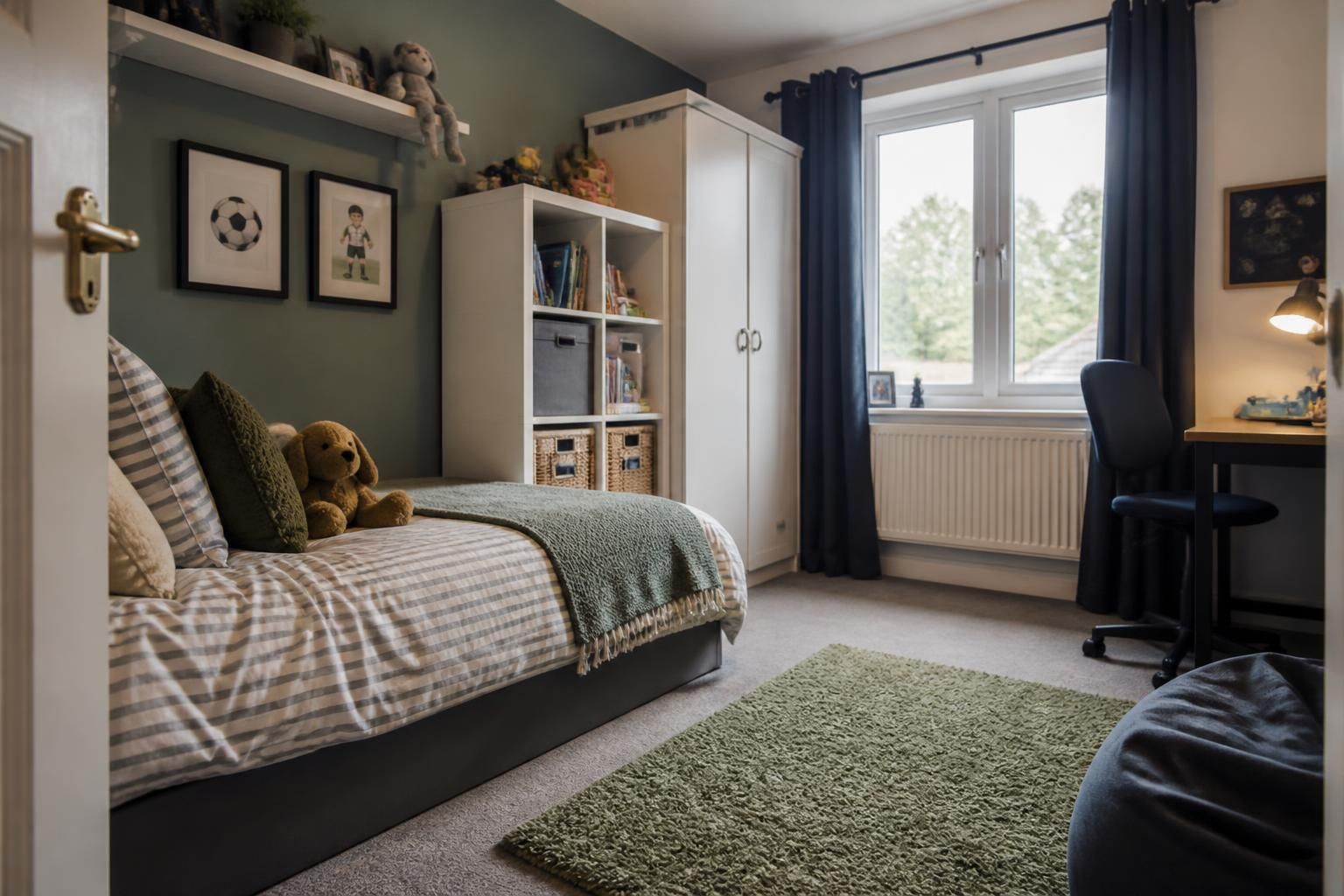
In Stoke-on-Trent, a foster child will generally need their own bedroom with enough space for sleeping, storing belongings and personal privacy. The room must be safe, suitable and appropriately furnished, and its suitability will be assessed as part of your fostering application, taking account of the child’s age and needs.
Partnering with an
Ofsted Outstanding Provider
Foster children in Stoke-on-Trent will normally need a bedroom of their own. The room must provide enough space for sleeping, clothing and personal belongings, with suitable privacy, furnishings and safety arrangements. During the fostering assessment, the agency will consider whether the bedroom is appropriate for the age, development and individual needs of the child likely to be placed.
There is not one universal bedroom measurement that applies to every fostering household. Instead, the assessment looks at whether the room is reasonably sized, usable and comfortable for a child. It should normally have:
- a suitable bed and mattress;
- space for clothes, toys, books and other personal possessions;
- adequate lighting, heating and ventilation;
- a window and safe access;
- appropriate privacy, including a door that can be closed; and
- enough clear floor space for normal use of the room.
The bedroom must be used as a proper sleeping and personal space rather than simply being available in name. Rooms that are also used as a passageway, living room, dining room or storage area may not be considered suitable. A converted loft, extension or other non-standard room may be acceptable only if it is safe, appropriately adapted and suitable for regular use by a child.
A foster child should not share a bedroom with a foster carer or another adult. Sharing with another child is also not normally expected, because children in foster care need personal space and privacy. An exception may be considered for brothers or sisters placed together, particularly where sharing is consistent with their ages, wishes, relationships and assessed needs. Any proposed sharing arrangement would need to be discussed and agreed as part of the assessment and placement planning.
Bedroom arrangements must also reflect safeguarding considerations. The agency will consider the ages and sexes of children already living in the household, whether anyone has additional needs, and whether the proposed arrangement could create risks or discomfort. A child’s views and preferences become increasingly important as they grow older. The arrangement may need to change if the child’s needs, behaviour, health or family circumstances change.
Safety checks will form part of the home assessment. These may include looking at access to the room, stairs and windows, heating and electrical fittings, fire safety, storage of medicines or hazardous substances, and whether furniture is secure and appropriate. The exact checks will depend on the property and the children being considered. You may be asked to make changes before approval or before a particular placement can be made.
If you live in a flat, a house with limited bedrooms or a property with a room that is currently used for another purpose, this does not automatically prevent you from fostering. The important issue is whether a suitable bedroom can be made available safely and consistently. You should explain your household arrangements during the initial discussion so that the agency can advise how they may affect the types of placements you could consider.
Bedroom suitability is only one part of the fostering assessment. The wider home, household members, support network, health, circumstances and ability to meet a child’s needs are considered as well. Before applying, it is sensible to measure the available room, identify where the child’s belongings would be stored and consider how privacy would work in practice. A home visit will give you the opportunity to discuss the arrangements in detail with the fostering team.
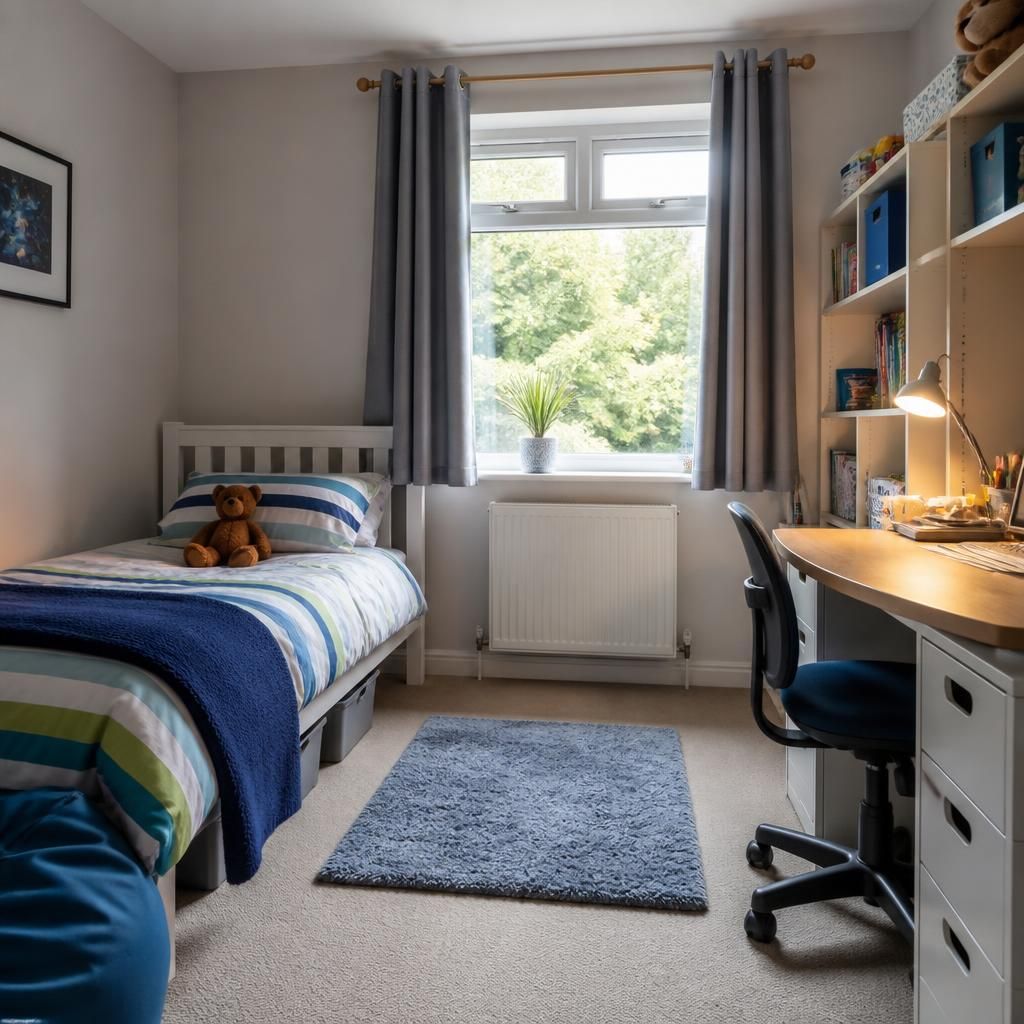
Bedroom suitability is also considered from the child’s perspective. During placement planning, the fostering team will look at whether the arrangement allows the child to feel settled, maintain privacy and follow their normal routines. Their age, communication needs, sensory preferences and cultural or personal requirements may influence how the room is arranged. These practical details can help determine whether a particular bedroom is suitable for a specific placement, even when the room itself meets the basic home standards.
Discuss your bedroom arrangements with our fostering team
If you are unsure whether your current arrangements could meet a child’s needs, speak to our fostering team about your home and circumstances. They can explain the next steps in the assessment and what information you may need to prepare.