
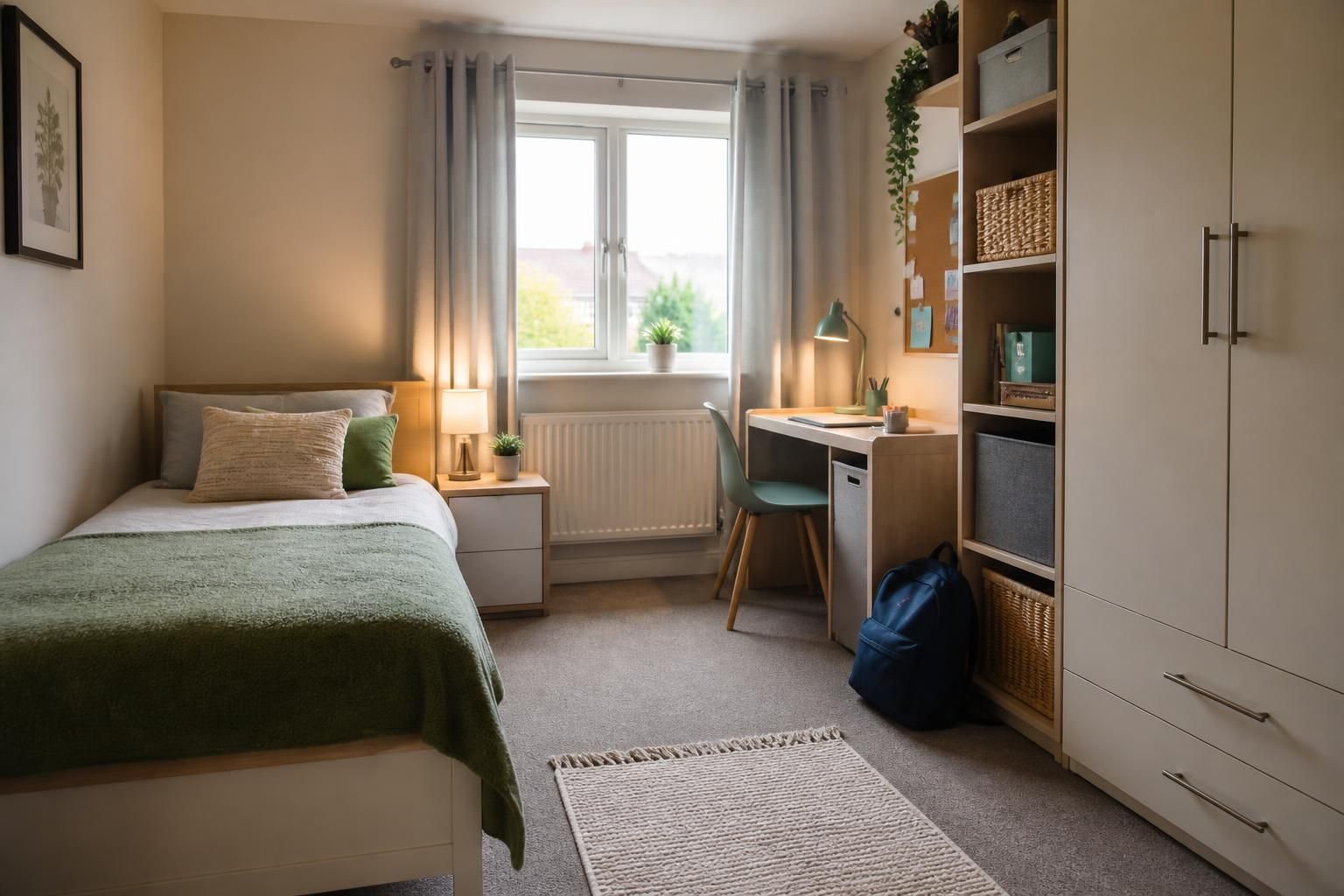
What bedroom requirements apply to foster carers in Walsall?
Foster carers in Walsall generally need to provide a spare bedroom that is safe, private, suitably furnished and large enough for the child or young person’s needs. The room will be assessed as part of the fostering process, with arrangements such as sibling sharing considered individually according to age, relationship and safeguarding requirements.
Partnering with an
Ofsted Outstanding Provider
Bedroom suitability is assessed in relation to the individual child’s age, sex, development, personal history and care needs. There is no single room specification that applies to every fostering household, because the arrangements must protect the child’s privacy, dignity and safety while fitting the household’s circumstances.
As a general rule, a foster child should have a bedroom of their own. The room should not be used as a regular sleeping space by another household member, although exceptions may apply in particular circumstances. For example, brothers and sisters may sometimes share if this is appropriate for their ages, relationships and needs. Any arrangement would be considered individually by the fostering service, with safeguarding taking priority.
The assessment will consider practical features of the room, including:
- enough floor and storage space for the child’s belongings, clothes and equipment;
- appropriate furniture, including a suitable bed and mattress;
- effective heating, lighting and ventilation;
- safe windows, doors, electrical fittings and access routes;
- privacy from other members of the household and visitors;
- whether the room is suitable for the child’s age and developmental stage; and
- whether adaptations or specialist equipment may be needed because of disability, health or mobility requirements.
A room does not normally need to be decorated in a particular style. It should be clean, in good repair and capable of being made personal to the child. A child may need somewhere secure to keep possessions, space for schoolwork and room for belongings associated with contact arrangements, hobbies or additional care needs. The assessing social worker may also discuss how the room can be made welcoming without requiring expensive changes.
Bedroom arrangements can affect which placements are suitable. Age, gender, sibling relationships, behaviour, trauma history, medical needs and the possibility of staying contact with family may all be relevant. A room that is appropriate for one child may not be suitable for another. This is why approval is linked to the type and number of children a household is assessed to care for, rather than being based only on the size of the property.
During the fostering assessment, the social worker will visit the home and discuss the proposed sleeping arrangements with everyone who lives there. They may look at the room itself, the route to it, household safety measures and how privacy will be maintained. The agency will also consider whether the arrangement meets relevant fostering standards and its own policies. You should raise any unusual features early, such as a bedroom being accessed through another bedroom, limited storage, shared bathroom arrangements or planned building work.
If you rent your home, it is sensible to check your tenancy agreement and discuss fostering with your landlord where permission may be required. A move, extension or room conversion should also be discussed with the fostering service before relying on it as part of an application. Do not make major changes until you understand what the assessment requires.
Not having a conventional spare bedroom does not always answer every question about your suitability, particularly where the proposed fostering role involves a specific age group or type of arrangement. However, the available sleeping space must be safe, lawful and appropriate for the children being considered. The best next step is to explain your household layout to the fostering team so they can discuss possible arrangements before you apply.
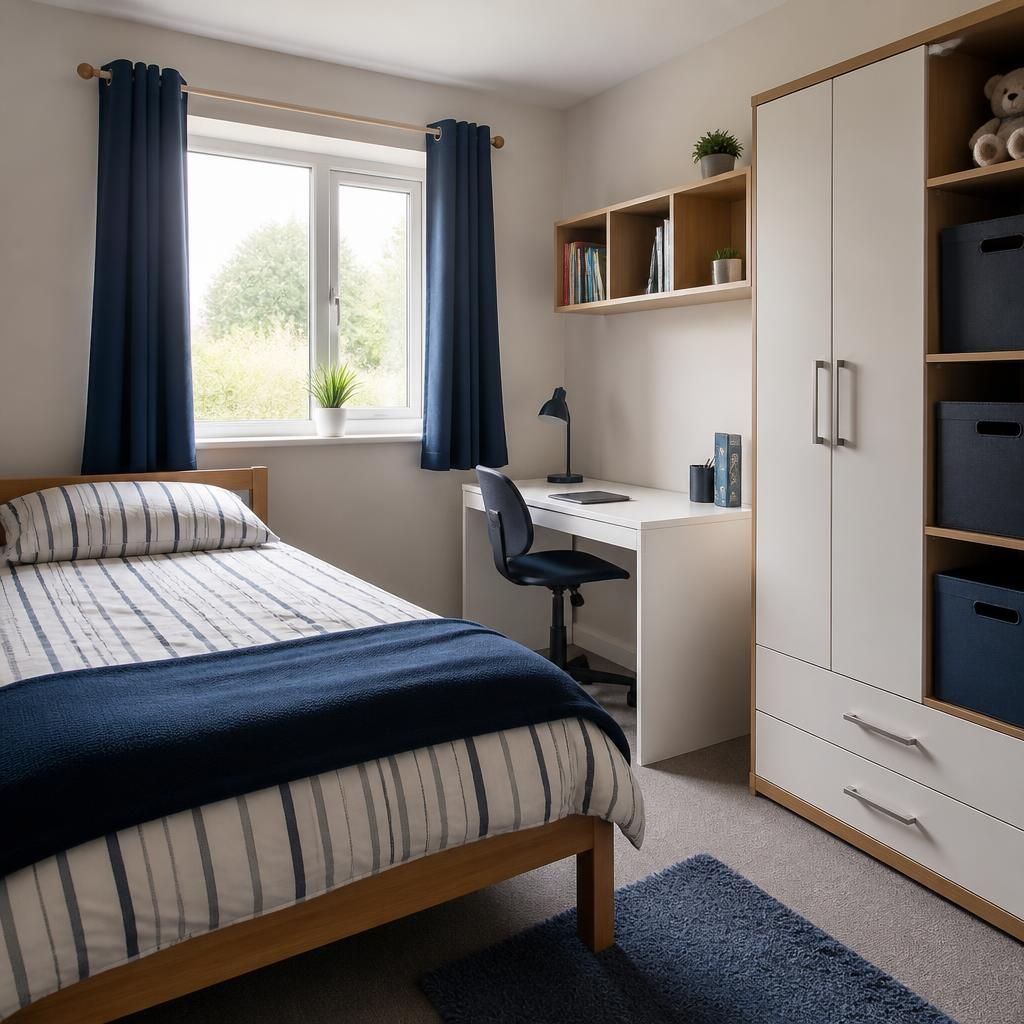
Bedroom arrangements should remain suitable throughout a placement, not only when the fostering assessment takes place. If someone in the household needs to move bedrooms, a room is repurposed, or building work changes access or space, discuss the proposed change with the fostering service before putting it into practice.
This is particularly important if the change could affect the child’s privacy, safety or ability to keep their belongings securely. The fostering team may need to review whether the new arrangement remains appropriate for the child in placement and for any future referrals. Keeping them informed helps ensure that an otherwise practical household change does not create an unsuitable sleeping arrangement.
Discuss your bedroom arrangements for fostering in Walsall
If you are considering fostering in Walsall, speak to our fostering team for personalised guidance on your household’s suitability and the next steps in the application process.