
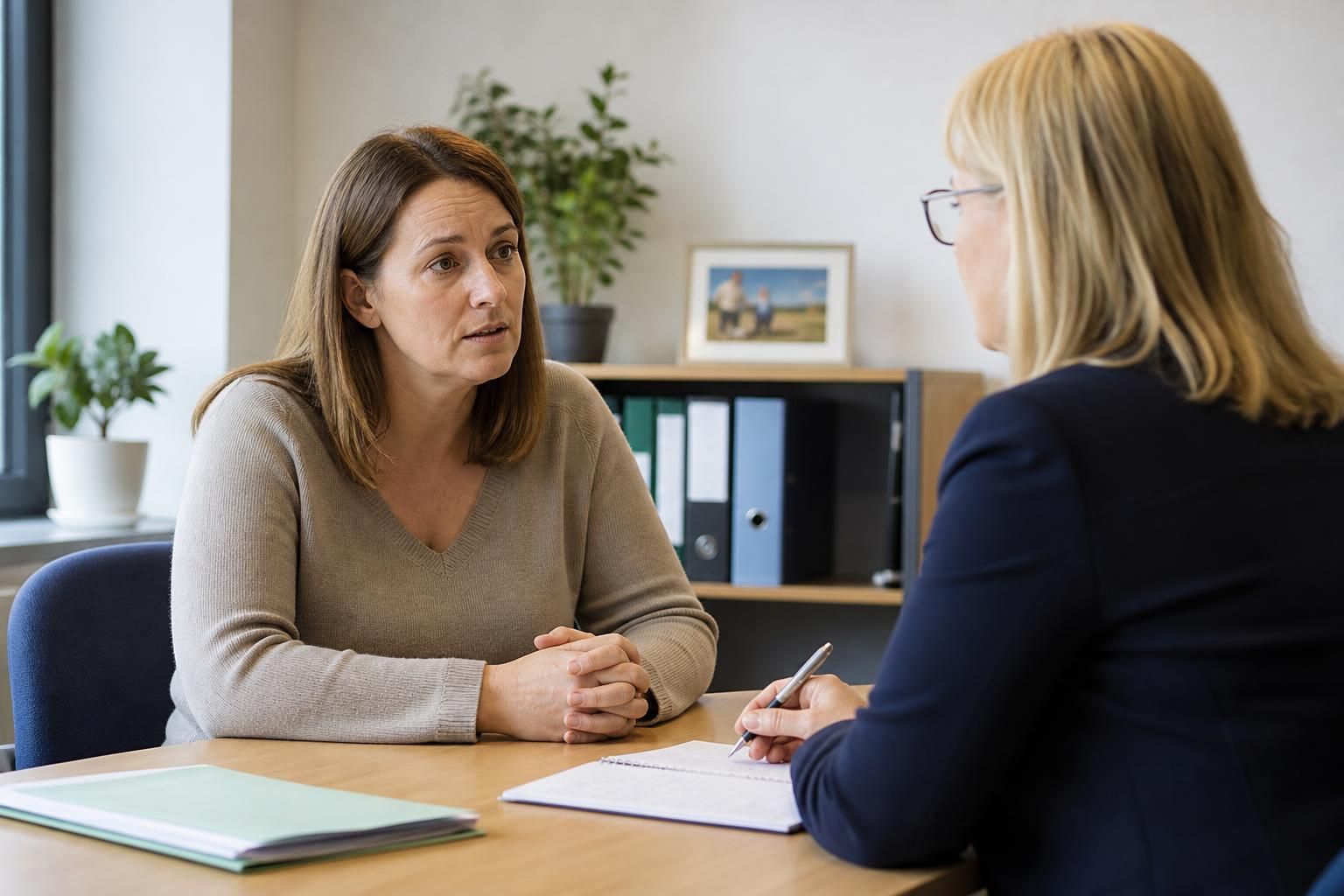
How are complaints handled by fostering agencies in Warwickshire?
Fostering complaints in Warwickshire are usually raised with the fostering agency first and handled through its formal complaints procedure, with the concern recorded, investigated and responded to. If you remain dissatisfied, you can ask about the next stage of the process, which may involve an independent investigation or review, depending on the nature of the complaint.
Partnering with an
Ofsted Outstanding Provider
A fostering complaint is handled under the agency’s published complaints procedure, which should explain how to raise a concern, who investigates it, how a decision is communicated and what to do if the complainant remains dissatisfied. The procedure should be fair, accessible and separate from safeguarding action where a child may be at risk.
Who can make a complaint? Complaints may be made by a foster carer, a child or young person, a birth family member, a prospective foster carer, a professional involved with a placement or another person affected by the fostering service. A complaint can concern the conduct of a member of staff, communication, support, decisions about a placement, the handling of information, an assessment or the way a previous concern was dealt with.
Children and young people should be given information in a form they can understand. They may be able to use an independent advocate or have a trusted adult help them explain what has happened. An agency should also consider reasonable adjustments, language needs and any difficulty a person has in making a written complaint.
How the process usually works
- Raising the concern: The complainant explains what happened, when it happened, who was involved and what outcome they are seeking. Complaints can often be made verbally or in writing, although the agency may ask for a written account so that the details are clear.
- Initial consideration: The agency decides which procedure applies and whether the issue should be handled informally, through its formal complaints process, or under a different route. For example, a safeguarding allegation, a concern about a foster carer’s conduct or a dispute about a child’s care plan may require action under children’s social care or safeguarding procedures as well.
- Investigation: An investigator reviews relevant records and correspondence, speaks to the people involved and considers the evidence. The investigator should be sufficiently independent from the original decision or event to examine the complaint objectively. The complainant should be told if the scope of the investigation changes.
- Written outcome: The agency should explain what was investigated, which findings were reached and the reasons for its decision. It may conclude that a complaint is upheld, partly upheld or not upheld. Where failings are identified, possible actions can include an apology, correcting records, reviewing practice, providing further explanation or making changes to procedures.
- Review or escalation: If the complainant believes the investigation was incomplete, unfair or based on incorrect information, they can use the next stage set out in the complaints policy. This may involve a senior manager, a separate investigator or another form of independent review. The request should identify why the first response was not satisfactory and what evidence has not been considered.
Complaints and safeguarding are treated differently. A complaint about poor communication or an administrative error should not delay action where there is an immediate concern about abuse, neglect or a child’s safety. Such concerns should be reported through the relevant safeguarding route, which may involve the child’s local authority or the police. The agency can investigate the service complaint separately, but it must not allow the complaints process to compromise a child protection investigation.
Similarly, if the complaint relates to a child’s placement, contact arrangements or care plan, the fostering agency may need to involve the child’s social worker and the responsible local authority. A fostering agency cannot alter a local authority decision simply through its own complaints procedure, so the complainant should be told which organisation has authority over each part of the concern.
Confidentiality and records are important throughout the process. The agency should share information only with people who need it to investigate or safeguard a child, while recognising that complete confidentiality cannot be promised where a risk of harm or a legal duty to disclose information exists. Personal information should be recorded accurately and handled in line with data protection requirements. A complainant can ask how their information will be used, although access to records about other people may be restricted.
Ofsted regulates and inspects fostering services and can take account of information about concerns when assessing a service. It does not usually act as an appeal body for every individual complaint or replace the agency’s own complaints procedure. Where the concern involves a local authority, the local authority’s children’s social care complaints process may apply instead. The appropriate escalation route should be confirmed with the organisation responsible for the decision.
If you are considering fostering, ask for the agency’s complaints policy before applying. Check how to contact the complaints lead, whether someone can help you make a complaint, how reviews are requested and which issues must be reported through safeguarding procedures. Keeping a factual chronology, copies of correspondence and notes of relevant conversations can make the concern easier to investigate. A clear complaint should focus on the decision or conduct in question, the effect it had and the resolution being requested.

When a complaint concerns a fostering assessment or another professional decision, it is important to distinguish a service complaint from an appeal or review of the decision itself. A complaint may examine whether the agency followed its procedure, considered relevant information, communicated clearly or recorded facts accurately. It may not give the agency authority to overturn a decision made by a panel, local authority or another statutory body.
If you are unhappy with an assessment, ask the agency to explain which parts can be challenged through its complaints process and whether a separate review route applies. Set out any factual errors clearly and provide documents or information that support your view. The agency should identify who is responsible for reviewing the concern and explain how the complaint relates to any ongoing assessment or decision-making process.
Ask About Complaints Handling in Warwickshire
Before applying, ask us for the fostering complaints policy and discuss any questions about how concerns are handled. This can help you understand the support and review routes available to you.