

How long does the fostering assessment process take in Warwickshire?
There is no single fixed timescale for the fostering assessment process in Warwickshire. It depends on factors such as how quickly information is provided, required checks are completed and assessment meetings can be arranged; your fostering team will explain each stage and keep you informed throughout.
Partnering with an
Ofsted Outstanding Provider
The fostering assessment process in Warwickshire usually takes several months from the initial application to the final decision. There is no universal timescale because the assessment must bring together background checks, health information, training, home visits and an evaluation of your ability to meet a child’s needs. Some parts can happen at the same time, while others depend on information from external organisations or people who provide references.
The assessment normally follows two broad stages:
- Initial checks and preparation: This includes confirming your basic suitability, gathering information about your household and arranging the checks and documents needed to proceed.
- Full assessment: A qualified social worker explores your experiences, relationships, parenting approach, home life, support network and ability to care for children who may have experienced trauma, neglect or disruption.
At the beginning, you will usually have an initial conversation and a home visit. This gives you an opportunity to ask detailed questions and helps the fostering service understand your circumstances. You may then complete an application and provide information about everyone living in the household, including any other adults who regularly stay in or use the home.
Required checks commonly include criminal record checks, local authority checks, employment or personal references, identity and residence information, and a medical assessment. The exact checks depend on your circumstances. For example, previous addresses, time spent living abroad, current or former relationships, or other adults in the household may require additional information. These checks are important safeguards rather than indications that there is a problem with your application.
A medical assessment considers whether fostering is compatible with your health and whether you are likely to manage the practical and emotional demands of caring for a child. It does not simply focus on whether you have a medical condition. The relevant question is how your overall health may affect your ability to provide safe, consistent care, now and in the future.
You will also complete preparation training before the assessment is presented for consideration. This generally covers safeguarding, attachment, trauma, behaviour, safer caring, the impact of fostering on your household and working with families and professionals. Training is a useful part of the assessment because it gives you a clearer understanding of fostering and allows you to reflect on how you would respond to realistic situations.
During the main assessment, your assessing social worker will arrange a series of meetings, often including discussions with other members of your household. Topics may include:
- your childhood, family history and significant life experiences;
- your relationships, communication style and approach to boundaries;
- your understanding of children’s development and additional needs;
- how you would manage behaviour while maintaining a child’s dignity and safety;
- your ability to work with birth families, social workers, schools and other professionals;
- the effect fostering could have on your existing children, relationships, work and routines; and
- the practical arrangements for bedrooms, transport, contact and day-to-day care.
The assessing social worker then prepares a detailed report, often called a Form F assessment. This report brings together the evidence from your conversations, checks, references, training and home assessment. It should identify your strengths, any areas requiring further preparation, and the types of placements that may be suitable. You should have an opportunity to check the factual accuracy of the report and discuss any points you do not understand.
The completed assessment is considered by a fostering panel. Panel members review the evidence and may ask you questions about your experience, motivation and readiness to foster. The panel makes a recommendation, but the final decision is made by the fostering service’s agency decision-maker. If approval is granted, the decision will include information about the age range, number of children and types of placement for which you are approved.
Several issues can affect how long the process takes. Delays may arise when references are returned slowly, a medical appointment is difficult to arrange, an overseas or previous local authority check requires extra work, household members need more time to consider fostering, or changes occur in your personal circumstances. Home adaptations, additional training or further assessment meetings can also be needed before a recommendation is made.
You can help the process run smoothly by returning forms carefully, giving complete information, identifying referees who know you well, keeping relevant documents together and being open about changes in your health, employment, relationships or household. Being honest is essential. The assessment is intended to establish what support and preparation may be needed, not to expect an applicant to have perfect experience or knowledge from the outset.
Your fostering team should provide support throughout the assessment, including opportunities to ask questions and discuss concerns. If the assessment identifies that fostering is not suitable at that point, you should be given an explanation of the decision and information about any review or complaint arrangements that apply. Equally, approval does not mark the end of preparation: you will continue to receive guidance, training and supervision as you begin fostering.
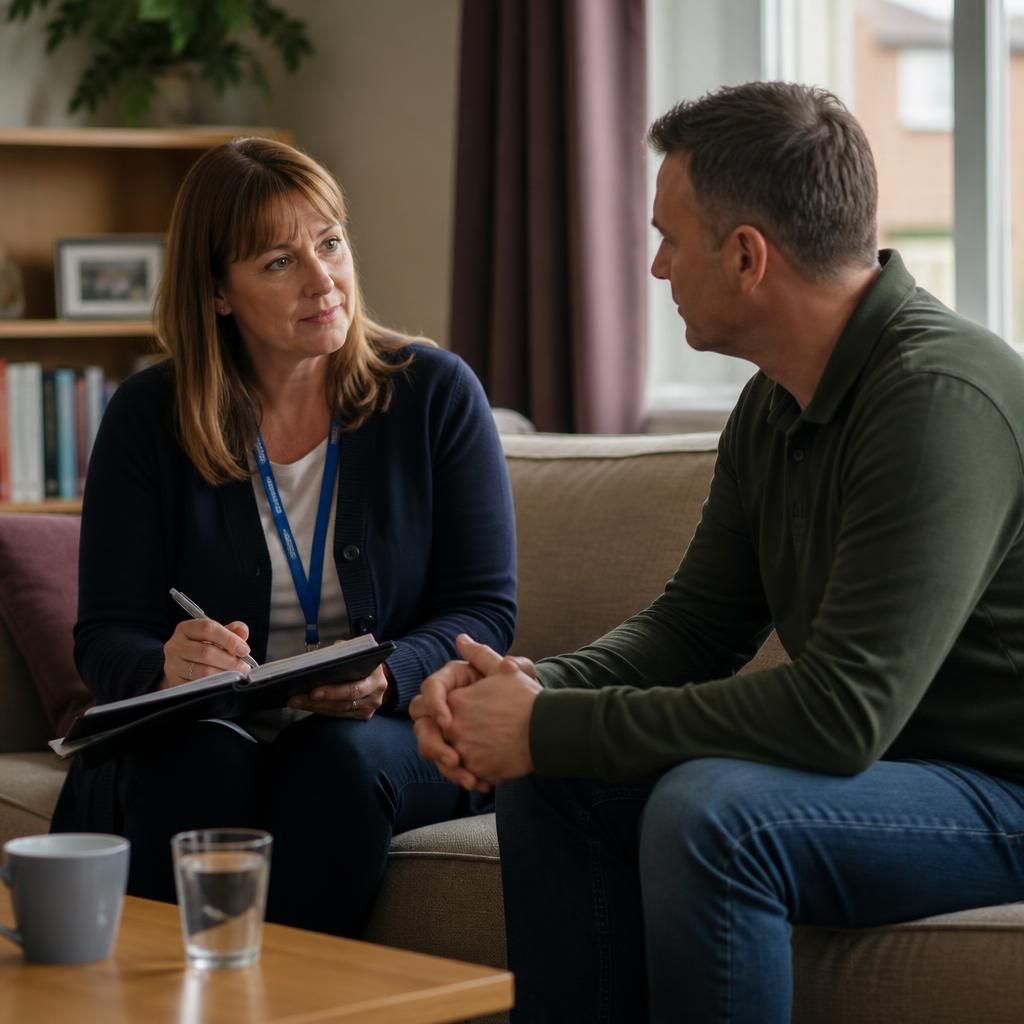
The fostering assessment timeline is influenced by how prepared your household is to take part in the process. Before meetings begin, it can help to discuss fostering with everyone who lives in the home, consider how it may affect existing routines and identify questions about bedrooms, pets, transport or privacy. This gives your assessing social worker a clearer picture of your circumstances and helps ensure important practical issues are considered early.
Assessment discussions are not tests with right or wrong answers. Your social worker is looking for thoughtful, honest reflection about your experiences, strengths and areas where you may need further guidance. If you are unsure about an issue, raising it during the assessment is more useful than trying to give an answer you think is expected. This approach helps produce a balanced recommendation and makes the eventual timescale more realistic for your individual circumstances.
Talk to Us About Your Fostering Assessment
If you are considering fostering and want to discuss how your circumstances may affect the assessment, talk to our fostering team. We can answer your questions and explain the next step before you decide whether to apply.