
What bedroom requirements apply to foster carers in Wolverhampton?
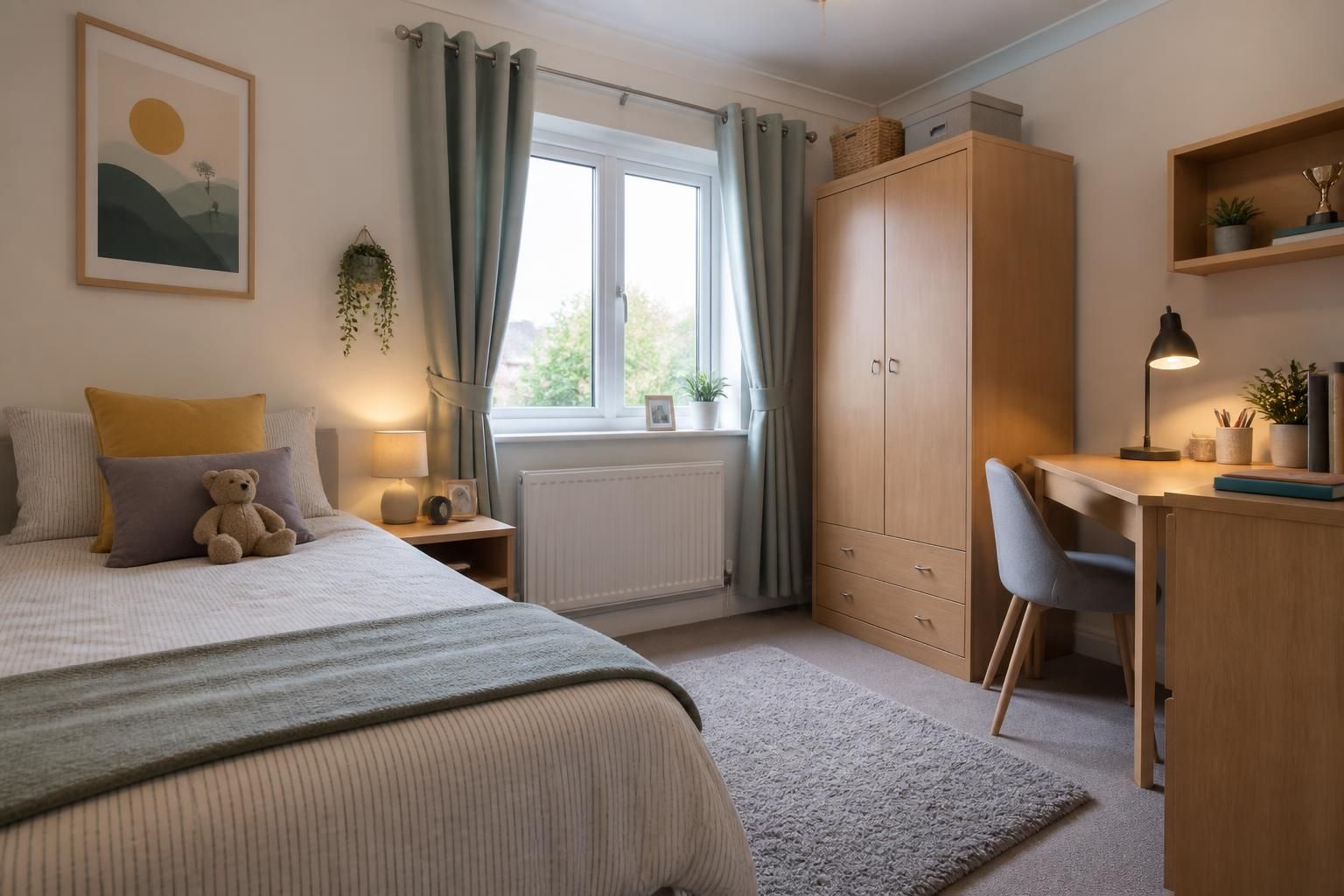
In Wolverhampton, foster children will generally need their own bedroom, with enough space for a bed, clothing and personal belongings, and suitable privacy. Exceptions may apply for siblings or in specific circumstances, but the room must be safe, suitable and approved during your fostering assessment.
Partnering with an
Ofsted Outstanding Provider
Bedroom requirements are assessed as part of the fostering home study and must meet the child’s sleeping, privacy, storage and safety needs. In Wolverhampton, the assessing social worker will consider the proposed room alongside the child’s age, background, relationships, vulnerabilities and any additional needs, rather than judging the room on size alone.
The room should be a permanent, suitable part of the home and not used as a general passageway or space that the child would regularly need to vacate. It should be furnished appropriately, with a suitable bed, somewhere to keep clothes and personal items, adequate lighting, heating and ventilation. The child should be able to make reasonable use of the room as their own space and have their belongings kept securely and respectfully.
A room used as a home office, study or storage area may need to be changed before approval if it cannot provide consistent personal space. Assessors will also look at whether the layout allows safe access to the room, whether there is suitable access to bathroom facilities and whether the child can have privacy without being isolated from appropriate supervision.
Sharing arrangements are considered carefully. Siblings may sometimes share a room where this is suitable for both children, but the decision depends on their ages, wishes, relationship and individual needs. A child’s sex, age, history, behaviour, trauma and any risks identified during the assessment can all affect whether sharing is appropriate. The fostering service will take these factors into account when deciding which placements could safely be considered.
Safety checks usually include the condition of the window, stairs and doors, the position of furniture, access to medicines or hazardous substances, electrical equipment and the home’s fire safety arrangements. A bedroom should not contain avoidable hazards, and any arrangements for supervision, night-time support or monitoring should protect the child while respecting their dignity. Additional measures may be needed for a child with mobility, sensory, medical or behavioural needs.
During the assessment, the social worker will normally visit the home and discuss how the available rooms would work for different types of placement. You may be asked to make practical changes, such as removing excess storage, improving furnishings or creating more usable space, before approval. The final suitability decision is based on the whole household and the needs of children who may be placed, not simply on the number of bedrooms.
If you do not currently have a suitable spare room, it is still useful to discuss your circumstances before assuming that fostering is impossible. The team can explain which arrangements may be considered, what changes would be necessary and how bedroom suitability affects the types of placements you could be assessed for.
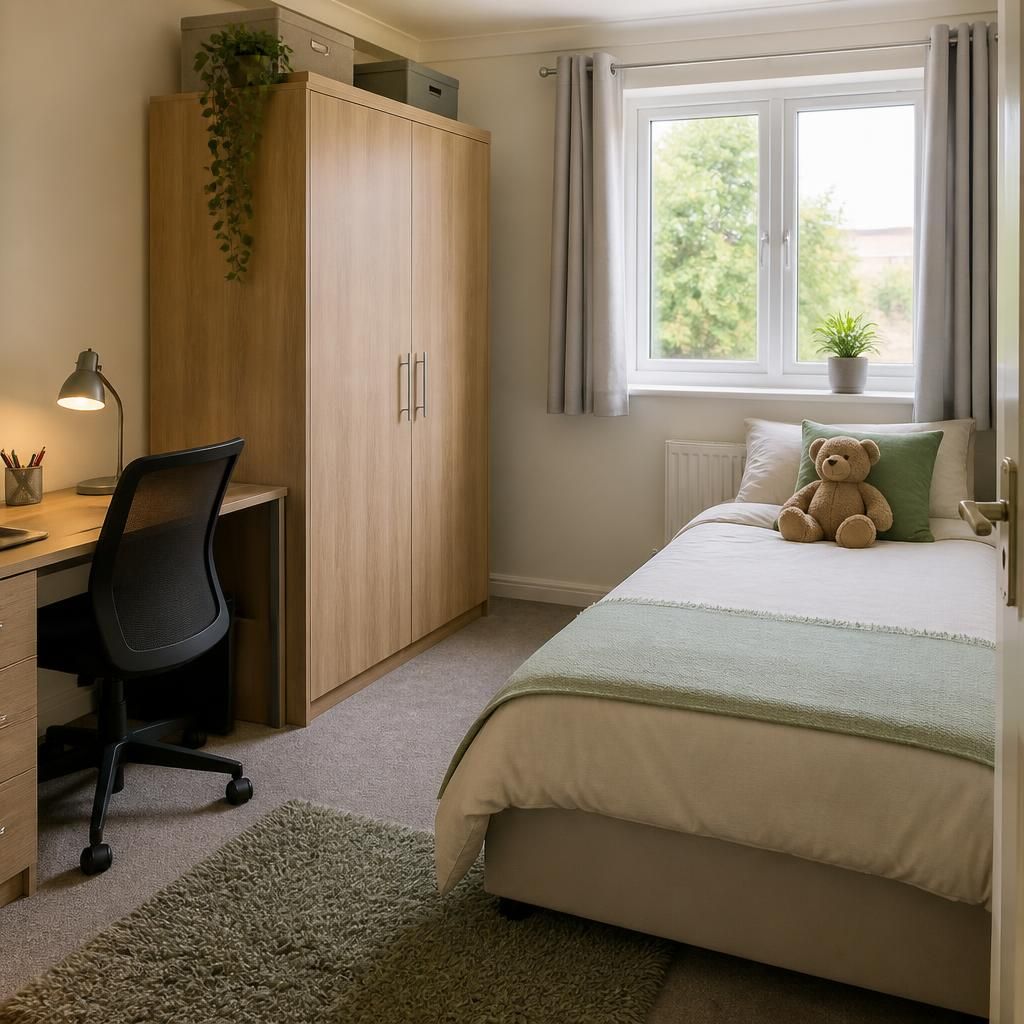
A foster bedroom must be available on a lasting basis, so your proposed arrangement should not depend on moving another household member or changing the room whenever a placement begins. If you rent your home, check your tenancy agreement and obtain any permission needed before making changes or applying to foster. The assessing social worker can discuss how your housing arrangements affect bedroom suitability.
It is also helpful to consider how the room would work for different placements. A younger child may need closer access to adult supervision, while an older child or teenager may place greater importance on privacy and personal storage. Explaining how you would balance independence with appropriate safeguarding will help the assessor understand whether the available bedroom is suitable for the children you may be approved to care for.
Discuss your bedroom requirements for fostering in Wolverhampton
Speak to our fostering team to discuss your home and understand how your circumstances may affect the types of placements you could consider. They can explain the next steps towards a fostering assessment in Wolverhampton.