
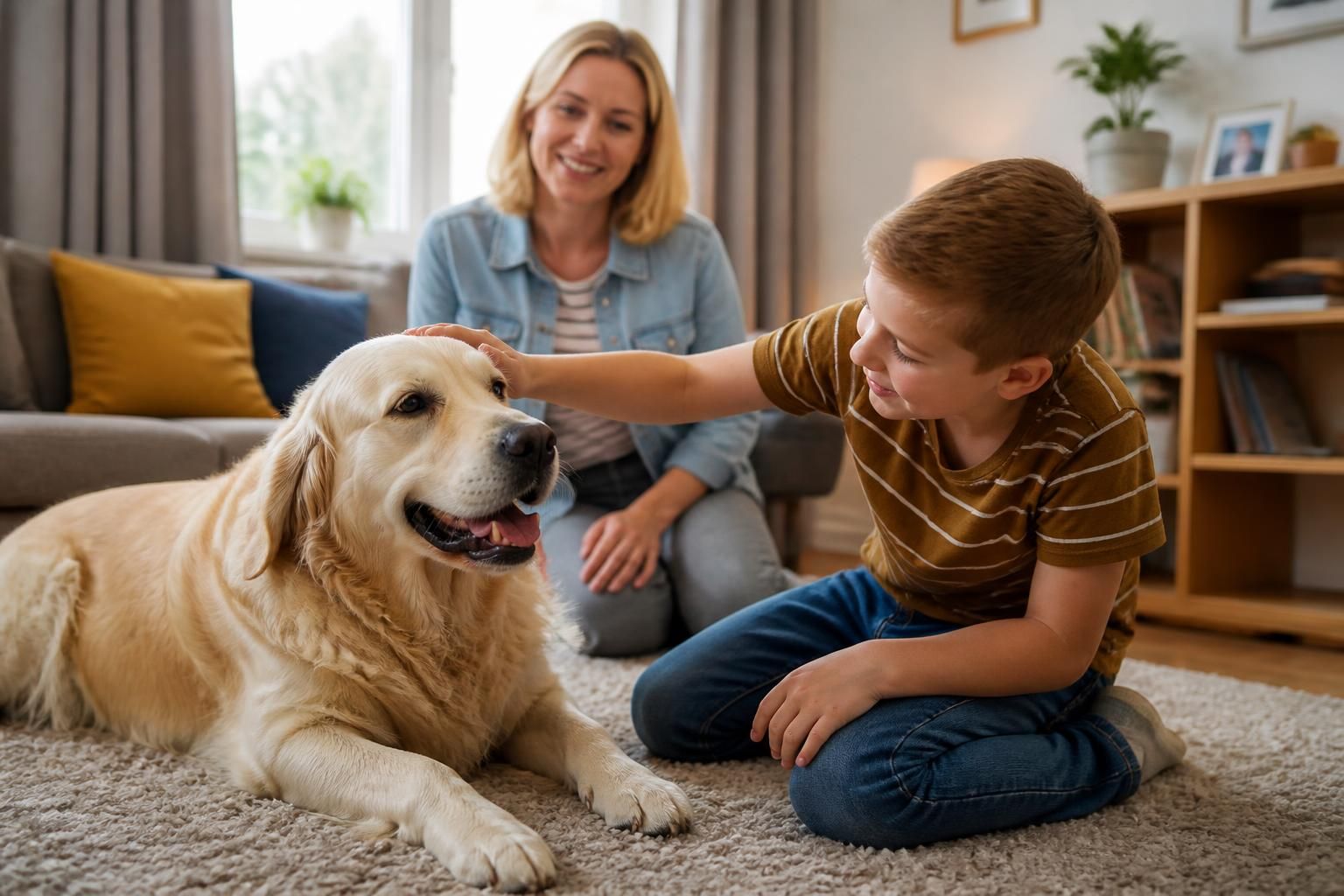
Can I foster in Worcestershire if I have pets?
Yes, you can usually foster in Worcestershire if you have pets, as owning an animal does not automatically prevent you from fostering. During your assessment, your pet’s temperament, behaviour, health and suitability around foster children will be considered, along with the arrangements needed to keep everyone safe.
Partnering with an
Ofsted Outstanding Provider
Pet ownership is considered as part of the fostering household assessment, with the focus on whether the animal and the home environment can safely meet the needs of a child or young person. The assessment is individual, so the outcome depends on the type of pet, its behaviour, the child’s circumstances and the safeguards that can be put in place.
Your assessing social worker will usually ask about:
- the animal’s species, age, health and daily care routine;
- its temperament and how it behaves around children, visitors and other animals;
- any history of aggression, biting, chasing, escaping or unpredictable behaviour;
- where the animal sleeps, eats and spends time in the home;
- how you manage exercise, hygiene, feeding and veterinary care; and
- how the pet could be separated from a foster child when necessary.
A dog or cat may need closer consideration because children can be frightened by animals, may not understand boundaries or may have experienced neglect or harm involving pets. Other animals, including birds, reptiles, rabbits, livestock and exotic pets, will also need an appropriate risk assessment. The animal’s size or species is not the only consideration: behaviour, supervision and the arrangements in the home are equally important.
The assessment will consider the needs and known history of children who may be placed with you. A child may have allergies, a fear of animals, limited understanding of safe interaction or additional vulnerabilities that affect whether contact with a pet is suitable. Some children may benefit from having an animal around, while others may need no contact at all. This means that a pet being acceptable for one placement does not necessarily mean it will be appropriate for every placement.
You may need to agree practical safety measures, such as:
- supervising all contact between the child and the pet;
- providing the animal with a child-free area where it can rest undisturbed;
- keeping food, litter trays, cages, medication and equipment securely stored;
- teaching the child how to approach, touch and move away from the animal safely;
- using gates, closed doors or other agreed separation arrangements; and
- maintaining suitable cleaning, grooming and veterinary routines.
These arrangements should be realistic for your household and suitable for the child’s age and level of understanding. Foster carers should never assume that a normally calm animal can be left unsupervised with a child. Children should also be helped to understand that pets need personal space and should not be disturbed while eating, sleeping or caring for young.
If an animal has shown concerning behaviour, the fostering agency may ask for further information or professional advice before reaching a decision. In some circumstances, additional controls or alternative care arrangements may be needed. If the risks cannot be managed safely, the agency may decide that a particular pet, or a particular placement, is not suitable. This is a safeguarding decision rather than an automatic bar to fostering.
It is important to be open about all animals in the household from the beginning of the application. You should also tell your fostering service about significant changes, such as a new pet, a change in behaviour, a serious illness or an incident involving the animal. Discussing these matters early allows the matching and support arrangements to take account of the whole household.
When you enquire about fostering, provide honest details about your pets and ask how they will be assessed. The assessment process is designed to identify suitable placements and agree clear safeguards, so you can understand what would be expected before a child is placed with you.
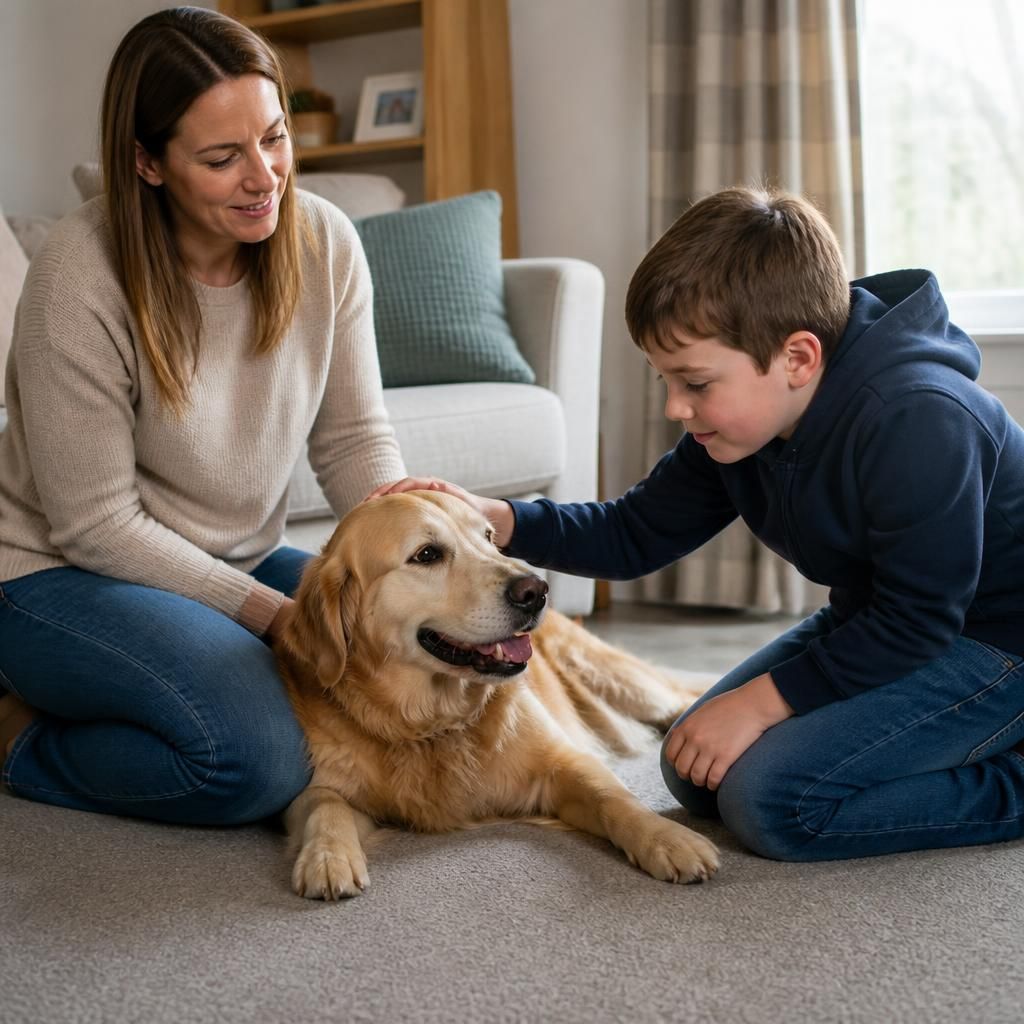
Having a pet does not normally mean you must rehome it before applying to foster. However, all animals in or around the household should be disclosed, including pets that usually stay outdoors or are kept in another part of the property. This helps the fostering service make an accurate assessment and consider whether a child’s needs can be matched safely with your household.
Before applying, consider how your pet would cope with changes to the household, such as a child needing private space, following different routines or requiring careful introductions. It is also useful to think about who would take responsibility for the animal if fostering commitments affected your usual arrangements. Being able to explain these plans can help show that pet care and fostering responsibilities have been considered together.
Ask about fostering with pets in Worcestershire
If you are considering fostering in Worcestershire, contact our team to discuss your pets and ask how they would be considered during the assessment.