
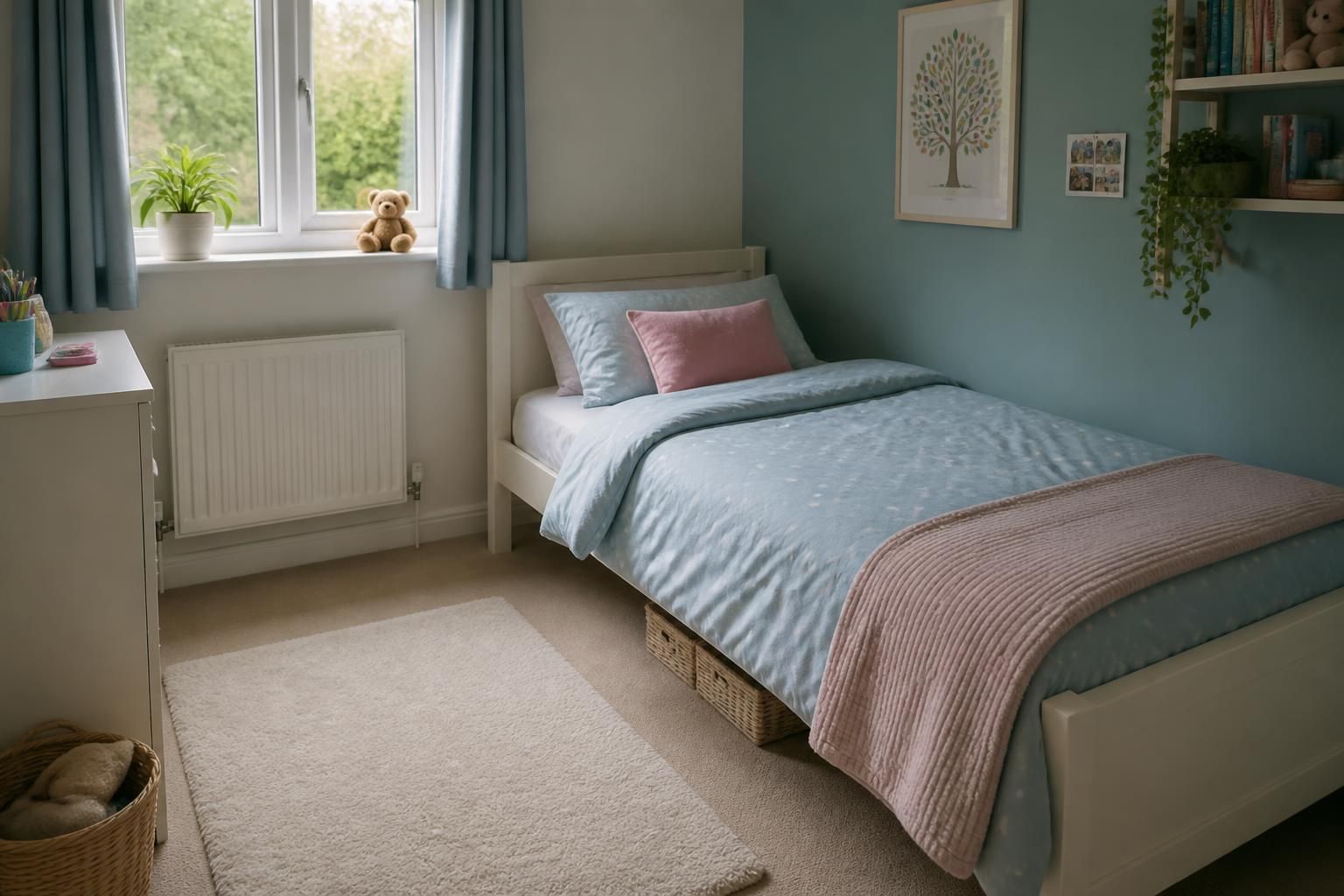
Do foster carers in Worcestershire need a spare bedroom?
Usually, foster carers in Worcestershire need a spare bedroom where a foster child can have their own safe, suitable space. Exceptions may apply for babies who temporarily sleep in the foster carer’s bedroom, or for siblings sharing where this is appropriate; your fostering assessment will consider your home and the needs of any child placed with you.
Partnering with an
Ofsted Outstanding Provider
For fostering assessment purposes, a spare bedroom means a private, suitable sleeping and personal space that can be made available to a child or young person. It should be a genuine bedroom rather than a room that is routinely used for another purpose, such as a shared office, passageway or general storage area.
The room will be considered as part of the wider assessment of your household. The assessing social worker will look at whether it provides appropriate privacy, comfort and safety, and whether it is suitable for the age and circumstances of a child who may be placed with you. The assessment may consider:
- whether the room is adequately heated, ventilated and lit;
- whether there is enough space for a bed, clothing and personal belongings;
- whether the child can access the room safely and privately;
- whether windows, stairs, doors and other features have been risk assessed;
- whether smoke alarms and other household safety measures are appropriate; and
- whether the proposed arrangement works alongside the needs and routines of everyone already living in the home.
A foster child’s bedroom should be prepared as their own space. This does not mean it has to be elaborately furnished, but it should be clean, comfortable and welcoming. A proper bed, suitable bedding, storage for clothes and somewhere to keep personal items are important. The child’s age, development, health, mobility and placement needs may affect what equipment or adaptations are required.
The room should normally be available for the child throughout the placement. It is not usually appropriate for a foster child to sleep in a room that must regularly be cleared for another household member or used for a competing purpose. If you currently use a potential bedroom as an office, hobby room or storage area, discuss this during your initial enquiry so that you understand what changes may be needed before approval.
Room arrangements are also considered alongside the children already in the household. The assessment will look at privacy, personal boundaries, relationships between children and any safeguarding considerations. A room that appears suitable in isolation may not be suitable for every possible placement, so approval is based on the needs you are able to meet rather than on the number of bedrooms alone.
If you do not currently have a suitable spare room, you can still ask for advice about your circumstances. Some households need to reorganise their home, complete improvements or wait until a room becomes available before a child can be considered for placement. Do not make major changes solely on the assumption that they will be accepted; the fostering team can explain the relevant expectations and how your proposed arrangements would be assessed.
During the application process, you will be asked about your home, who lives there and how you would provide safe personal space. A home visit and safety checks will help identify any practical changes. The final decision will take account of the type of fostering you are applying for and the needs of children who may be referred to you, rather than applying a single room arrangement to every household.
If you are unsure whether your current accommodation is suitable, speak to the fostering team before applying. They can discuss the layout of your home, explain how bedroom arrangements are considered and identify whether further information or changes may be required.
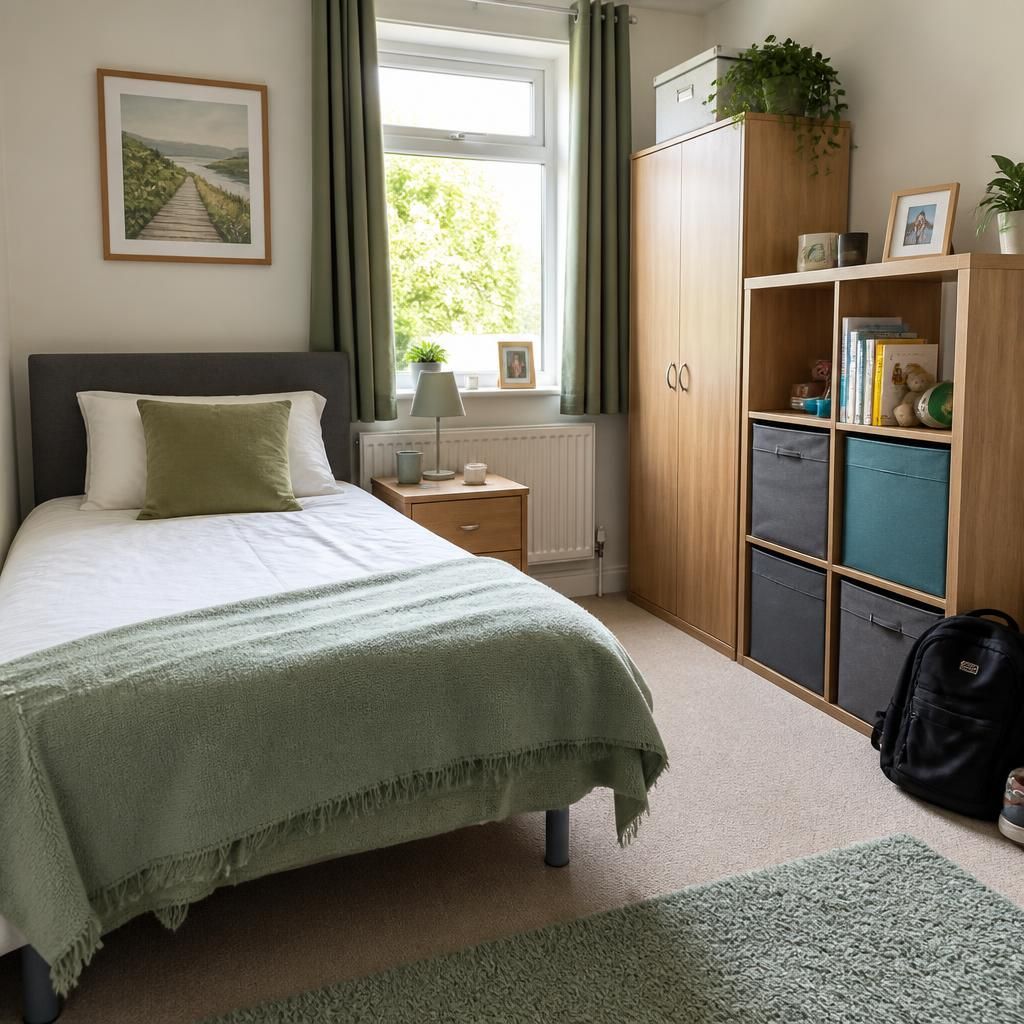
A spare bedroom can influence the type of fostering approval that is suitable for your household. The fostering team will consider how many children you could accommodate, their ages, whether they are siblings and any individual needs, rather than treating every spare room as suitable for every placement.
This means having one available bedroom does not automatically determine the outcome of your application. It helps the assessing social worker understand which arrangements may be realistic and safe for your household. If your circumstances change later, such as another room becoming available, tell the fostering team so your approval and placement options can be reviewed where appropriate.
Ask whether your home is suitable for fostering
If you are unsure whether your home could meet fostering requirements in Worcestershire, contact our fostering team to discuss your circumstances. An initial conversation can help you understand the next steps before you apply.