

Who can foster in Worcestershire?
People who can provide a safe, stable and nurturing home may be able to foster in Worcestershire, whether they are single, married, partnered, renting or owning their home. All applicants must meet the required suitability checks, including health, household and safeguarding assessments, before they can be approved.
Partnering with an
Ofsted Outstanding Provider
To foster in Worcestershire, you must be at least 21, have the ability to provide consistent care, and pass the required suitability assessment. Fostering is open to people from a wide range of backgrounds, but approval depends on whether your circumstances, health, relationships, home life and experience meet the needs of the children who require placements.
Age and personal circumstances
There is no upper age limit for fostering. Your health, energy and overall capacity to care safely will be considered rather than your age alone. You do not need to have children of your own, and having children does not automatically prevent you from applying. Your own family’s needs and views will form part of the assessment, particularly where fostering would affect children already living in your household.
People from different relationship, cultural, religious and sexual-orientation backgrounds can apply. You can also enquire if you are single, in a relationship or part of a wider family household; the important issue is whether you can offer reliable care and work constructively with the fostering team, the child’s family and other professionals.
Home and household requirements
Your home must provide a suitable environment for a child or young person. The assessment considers safety, privacy, household routines and the practical space available for fostering. You should have a stable living situation and permission to foster if another person or organisation has an interest in the property. The suitability of the home is assessed as part of the wider process rather than judged by appearance alone.
Everyone aged 16 or over who lives in the household will usually need to take part in relevant checks and discussions. This helps establish whether fostering is appropriate for the whole household and whether everyone understands the changes it may bring to daily life.
Checks carried out before approval
Applicants must complete several checks so that the fostering service can assess safety and suitability. These commonly include:
- Enhanced criminal record checks and consideration of any convictions or cautions.
- Medical information and an assessment of your health in relation to fostering.
- Local authority checks and references from people who know you well.
- Employment and financial information where relevant to understanding your circumstances.
- Discussions about relationships, support networks, lifestyle, parenting experience and safeguarding.
A criminal record does not always rule out fostering. Each matter is considered according to its nature, seriousness, age and relevance. Certain offences, especially those involving harm to children, may prevent approval, so it is important to be open from the beginning. Withholding information can create greater difficulties than disclosing it during the assessment.
Skills, experience and availability
You do not need professional childcare experience or a formal qualification before applying. Experience of parenting, education, health or social care, youth work, supporting relatives, or working with children can be useful, but the assessment focuses on your ability to learn and apply the skills required.
Foster carers need to attend training, keep accurate records, participate in meetings and work with social workers and other professionals. You must also be able to manage the practical demands of caring for a child whose behaviour, health or emotional needs may differ from those you have encountered before. Your work and other commitments will therefore be discussed to establish whether you can give fostering the necessary priority.
What happens after you enquire
- An initial conversation explores your circumstances, reasons for applying and the types of placements you may be able to consider.
- Information is gathered through checks, references, health assessments and home visits.
- You complete preparation training to understand safeguarding, attachment, trauma, behaviour and working with families.
- A fostering assessor prepares a detailed report about your suitability and the support you may need.
- An independent fostering panel considers the evidence before the agency makes the approval decision.
Approval is not based on matching an applicant to every type of placement. It identifies the kinds of placements that are suitable for your skills, household and circumstances. Those needs can change over time, and ongoing supervision, training and support help foster carers continue developing after approval.
If you are unsure whether a past event, health condition, working arrangement or household circumstance affects your eligibility, it is usually better to discuss it early. Become a Foster Family can explain the assessment requirements and help you understand the next steps without assuming that one aspect of your background decides the outcome on its own.
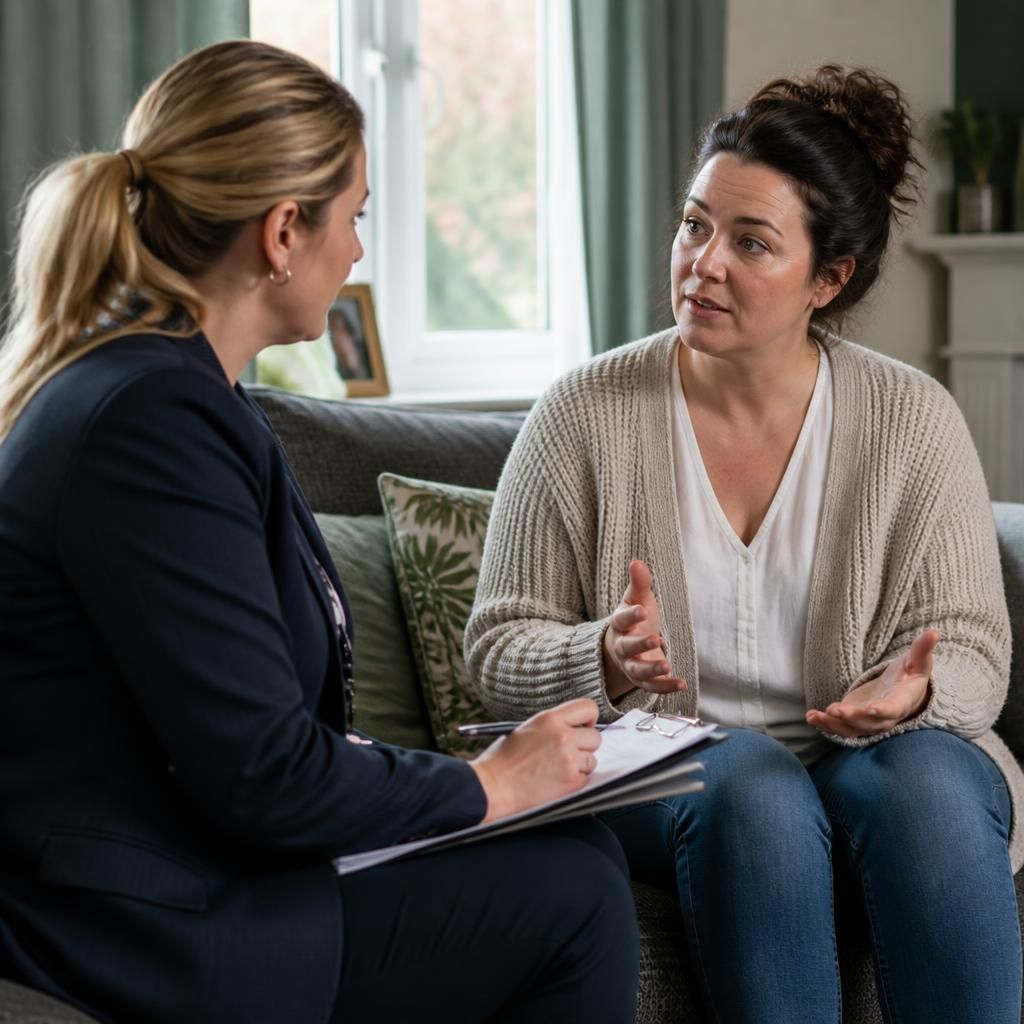
Fostering eligibility is assessed on your current circumstances rather than on a single qualification or lifestyle choice. This means an applicant may still be considered if they have a health condition, a previous conviction, a different family structure or limited childcare experience, provided the assessment shows they can care safely and meet the needs of a child or young person.
Be open about anything that may affect fostering from the outset, including changes in your household, work pattern, health or personal circumstances. Sharing accurate information allows the fostering team to consider what support, training or adjustments may be appropriate and whether fostering is suitable for your household.
Find out if you can foster in Worcestershire
If you are considering fostering, contact Become a Foster Family to discuss your circumstances and ask questions about applying in Worcestershire.