
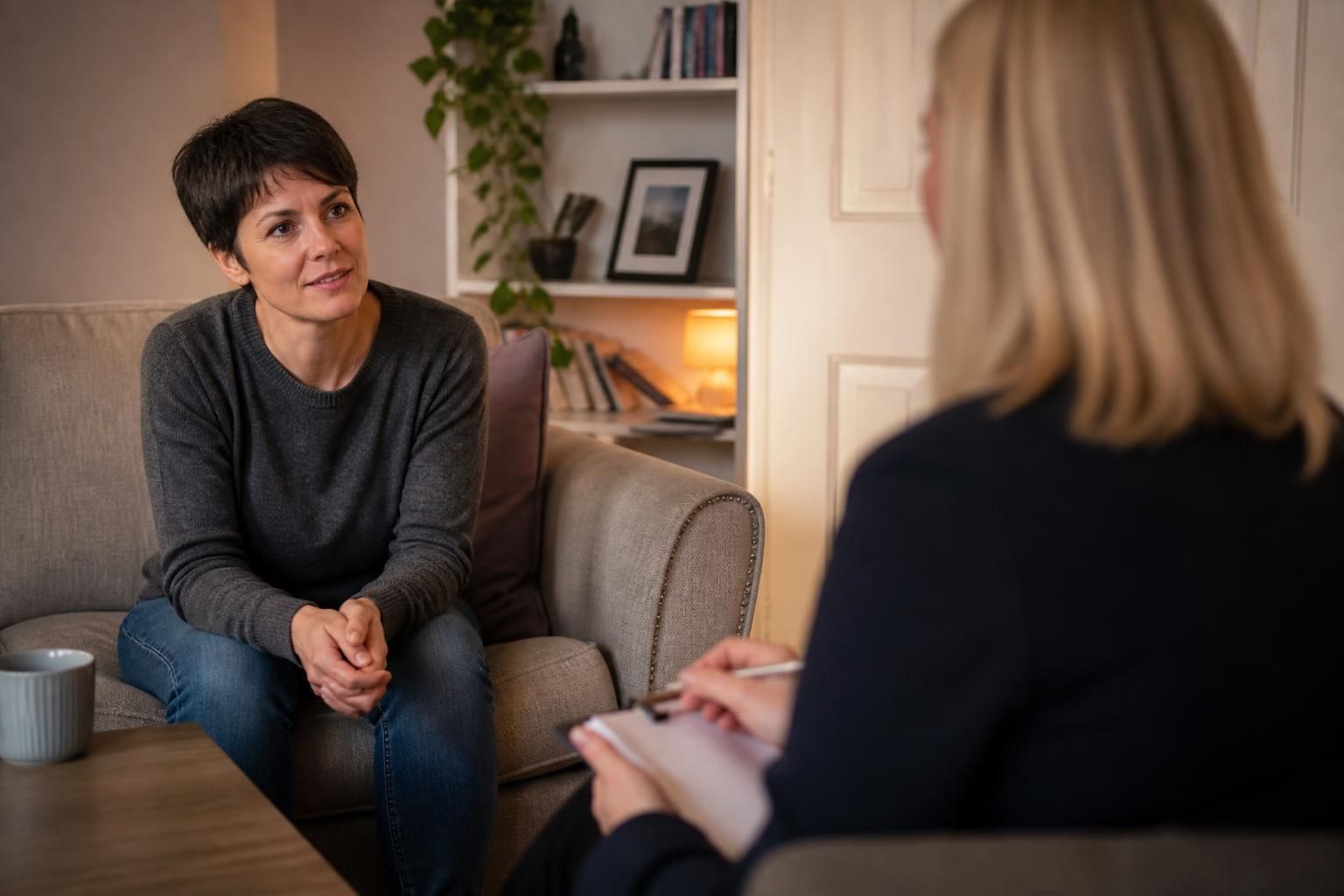
Can single people become foster carers?
Yes, single people can become foster carers. Applications are assessed on your ability to provide a safe, stable and nurturing home, meet a child’s needs and work with fostering professionals, with training and ongoing support provided throughout the process.
Partnering with an
Ofsted Outstanding Provider
For a single applicant, the fostering assessment focuses on whether you can provide consistent care, manage the practical demands of fostering and work constructively with the professionals around a child. Your relationship status is not, by itself, a reason to prevent you from fostering.
What matters during the assessment
Fostering services look at your circumstances as a whole rather than expecting you to fit one particular family structure. They will consider your home, health, experience, support network, availability and ability to respond to a child’s individual needs. You will also need to show that you can offer appropriate boundaries, stability and continuity when a placement is challenging.
- You will normally need a suitable bedroom and enough space for a child or young person.
- Your health must be compatible with the responsibilities of fostering.
- Background checks, references and safeguarding checks will form part of the assessment.
- Your home, household members, lifestyle and any pets will be considered for their suitability.
- You must be able to attend training, meetings, appointments and reviews linked to a placement.
- You need to work openly with social workers, education staff, health professionals and the fostering service.
Being single does not mean you are expected to manage everything without help. Assessors will want to understand who could support you in practical or emotional ways, particularly if you become unwell, have an emergency or need help with transport and childcare arrangements. A support network might include relatives, friends or other trusted adults, but it must be realistic and reliable. The people you identify may be asked to contribute to the assessment or complete relevant checks.
Can a single parent foster?
Single parents may be able to foster, although the needs of any children already living with you will be carefully considered. The fostering service will look at school runs, working arrangements, supervision, household routines and how a fostered child could affect your existing family relationships. You will need a clear plan for managing competing responsibilities, particularly where a placement requires appointments, additional meetings or time at home.
Employment and finances
Many single applicants have jobs or other regular commitments. The important issue is whether your work pattern allows you to meet the needs of the type of placement being considered. Some children need more time, flexibility and supervision than others, so your circumstances may influence which placements are appropriate. Discuss your employment honestly during the assessment rather than assuming you must give up work before applying.
Foster carers receive an allowance intended to contribute towards the costs of caring for a child, with the amount and any additional payments depending on factors such as the placement, the child’s needs and the fostering service’s arrangements. Ask for current information about allowances, eligible expenses and how payments are handled before making financial decisions. You should also consider household bills, transport, time away from work and the costs of preparing your home.
Training and preparation
Before approval, you will complete preparation training and take part in an assessment of your skills, experience and capacity to foster. Training commonly covers safeguarding, child development, managing behaviour, trauma, safer caring, communication and working with birth families. As a single carer, it is particularly useful to explore how you will maintain routines, make decisions and seek advice when you do not have another approved carer in the household.
After approval, your learning continues through further training, supervision and placement reviews. You should expect to discuss what is working, where you need more support and whether a particular placement remains suitable. Fostering decisions are not made by the carer alone: matching a child with a household involves considering the child’s needs, your skills, the available support and the likely impact on everyone in the home.
What to consider before applying
- Think about your availability over an ordinary week, including work, travel and personal commitments.
- Identify the people you could call on and be specific about the help they could provide.
- Consider how you would respond to challenging behaviour, contact arrangements and changes to plans.
- Review whether your home offers suitable space, privacy and safe routines.
- Prepare questions about assessment stages, placement matching, allowances, training and ongoing supervision.
The most useful starting point is an open discussion about your household and the type of fostering you may be able to offer. An initial conversation does not commit you to applying; it helps establish whether fostering fits your circumstances and what preparation may be needed before an assessment begins.
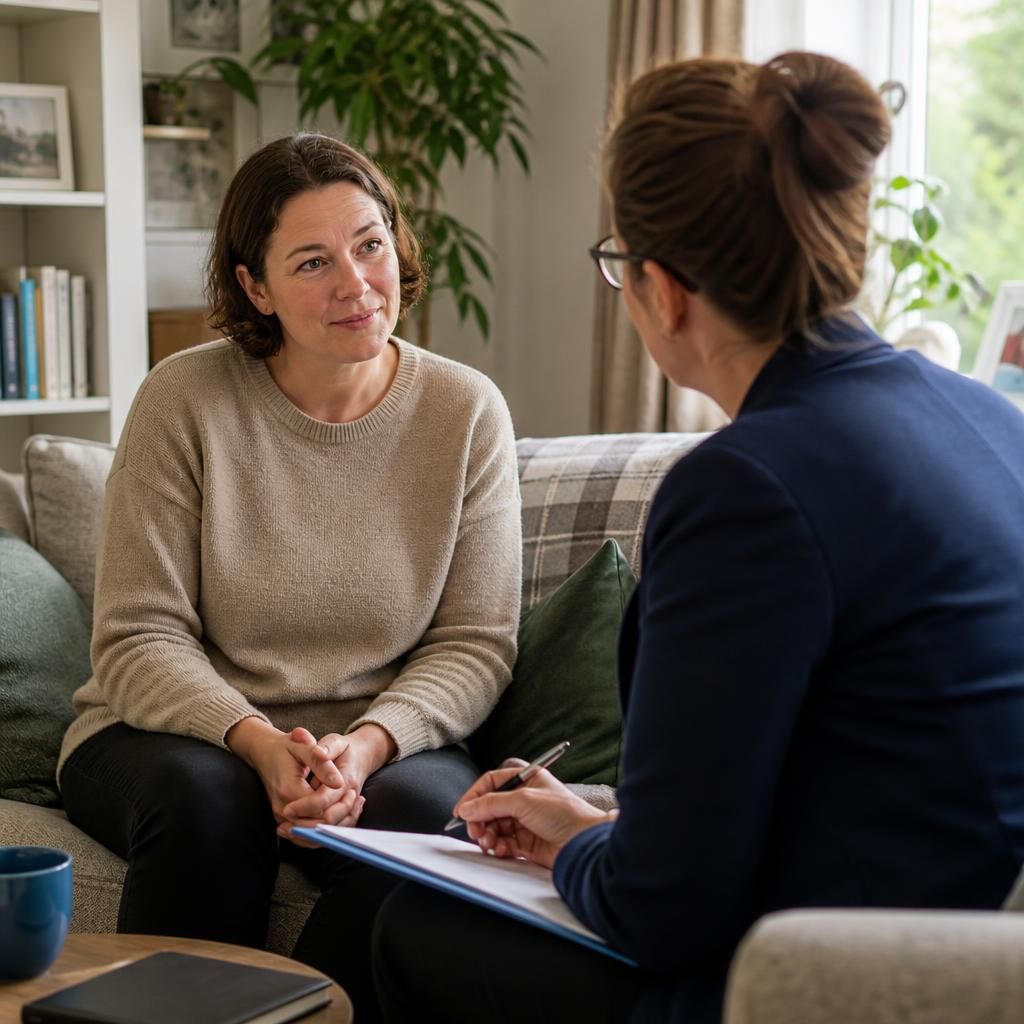
Parenting experience is not the only relevant experience. Single applicants may bring useful skills from caring for relatives, supporting children through work or volunteering, mentoring, teaching, or managing responsibilities at home. The assessment considers what you have learned from these experiences and how you apply it to a child’s needs, rather than assuming that everyone must have raised children before.
You should be ready to reflect honestly on your strengths and areas where further learning would help. Preparation training and the assessment process provide opportunities to build your understanding of safeguarding, attachment, trauma and safer caring before you are approved.
Explore fostering as a single person
If you are considering fostering as a single person, speak to our team to discuss your circumstances and the types of placements that may be suitable. An initial conversation can help you understand the next steps without committing you to an application.