
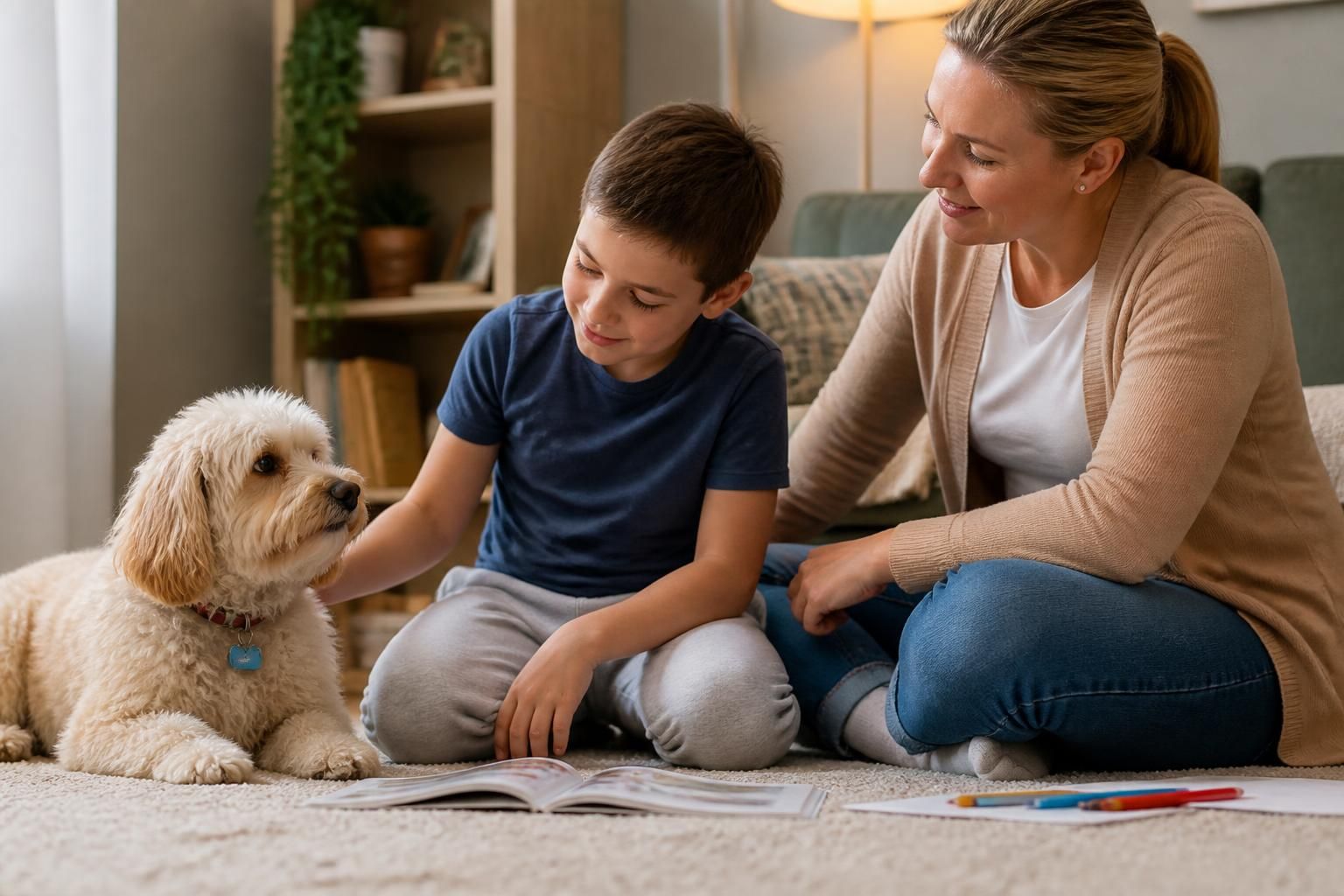
Can I become an emergency foster carer with pets?
Yes, you may be able to become an emergency foster carer if you have pets, but each animal and household must be assessed for safety and suitability. The assessment will consider your pet’s behaviour, the child’s needs and any risks, with arrangements agreed to help everyone live safely together.
Partnering with an
Ofsted Outstanding Provider
Pets can be part of an emergency fostering household when their welfare, behaviour and effect on a child have been properly considered. The assessment will look at the individual animal, the home environment and the types of needs a child may have, rather than treating pet ownership as an automatic barrier.
What will be considered?
- Your pet’s temperament, training, health and usual behaviour around unfamiliar people, noise and changes to routine.
- Any history of aggression, biting, chasing, guarding food or possessions, or showing distress around children.
- How animals are kept, including access to bedrooms, communal areas, outdoor spaces, cages, tanks or enclosures.
- Whether your household can supervise contact and keep the child and pet safely apart when necessary.
- Possible allergies, phobias, sensory sensitivities or trauma-related reactions that may affect the child.
- The needs of children already living in the household, as well as the safety and welfare of the animals themselves.
Emergency placements can involve limited information at the point a child needs somewhere to stay. This means you should have a practical plan that does not rely on assuming a child will be comfortable with, or safe around, your pets. A child may be frightened of animals, may have experienced neglect or harm involving pets, or may not understand how to behave safely around them.
What arrangements may be needed?
Your safer-caring plan may set out rules such as keeping pets and children apart during meals, sleep, personal care and periods without direct supervision. Separate rooms, stair gates, secure outdoor areas, crates or other animal-safe arrangements may be appropriate, depending on the pet and the child’s needs. These measures should protect everyone without making the animal responsible for entertaining or comforting the child.
Children should not be expected to feed, walk, clean up after or handle a pet unless this has been specifically agreed as safe and appropriate. Even friendly animals can react unpredictably when startled, handled roughly or exposed to unfamiliar behaviour. Adults remain responsible for supervision and for following the agreed safety arrangements.
Tell the fostering service about your pets early
Include every household pet in your application and assessment, including animals that are kept outside or in enclosures. Be open about their routine, behaviour, veterinary needs and any previous incidents. The fostering team may need to understand how you would manage exercise, feeding, medication, visitors and emergency changes to your household routine while caring for a child.
Training and assessment can help you identify warning signs, teach children safe boundaries and prepare for situations such as a child opening a cage, entering an animal’s space or becoming distressed around a pet. The agreed plan may need to be reviewed if the child’s needs change, if the placement continues longer than expected or if the animal’s behaviour changes.
If a child and pet cannot safely live together, the placement may not be suitable in that household, even where the animal has never caused a problem before. Discuss possible alternatives with the fostering team rather than trying to manage an unsafe arrangement alone. You should also ask how ordinary pet-care expenses and any additional arrangements are treated, as fostering allowances are intended to meet the costs of caring for the child and policies can differ.
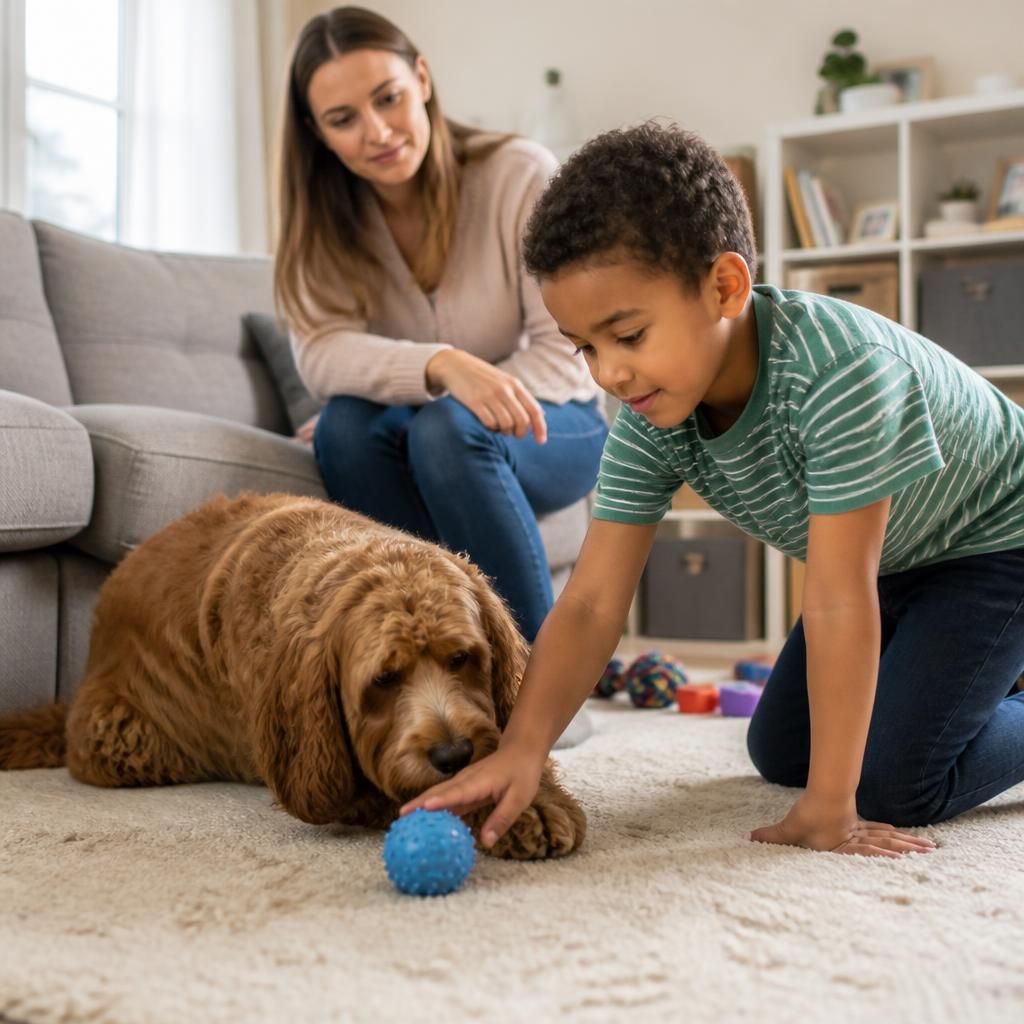
Before accepting an emergency placement, discuss how the child’s known needs will fit with your pets and household arrangements. Ask the fostering team about any known allergies, fears, sensory sensitivities, previous experiences with animals and behaviours that could affect safe contact.
- Where the child will sleep and whether bedrooms or other areas can be kept separate from pets.
- How contact will be supervised during meals, play, visitors and changes to the usual routine.
- What to do if the child becomes distressed around an animal or a pet shows signs of anxiety.
- Which temporary arrangements should be used while further information is gathered.
If important information is not available at the time of referral, use agreed precautions rather than making assumptions about how the child or pet will respond. Your fostering team can help decide whether the household is suitable for that particular placement.
Discuss becoming an emergency foster carer with pets
Contact Become a Foster Family to discuss your circumstances and how your pets would be considered as part of the fostering assessment. The team can explain the next steps and answer questions about preparing your household.