
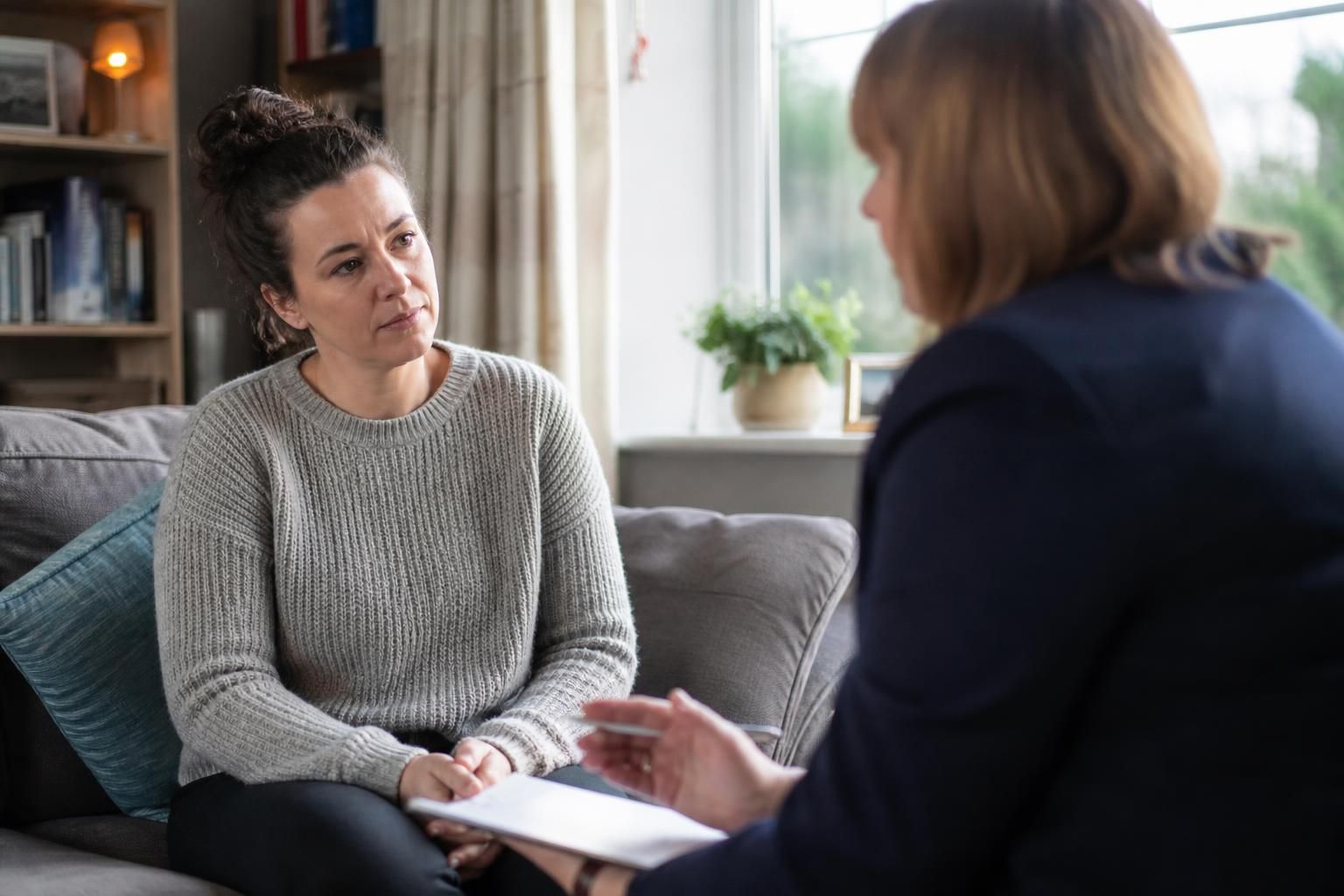
Can single people become emergency foster carers?
Yes, single people can become emergency foster carers, provided they meet the required fostering standards and can offer a safe, suitable home. The assessment will consider your circumstances, experience, ability to care for a child at short notice and the support network available to you.
Partnering with an
Ofsted Outstanding Provider
Being single does not prevent you from becoming an emergency foster carer. The assessment focuses on whether you can provide safe, consistent care during an urgent placement and whether you have enough practical and emotional support to manage the responsibilities as the child settles into your home.
How your circumstances are assessed
As a single applicant, you would be the child’s main day-to-day carer. This means the assessment will look closely at how you would manage routines, appointments, school arrangements, contact with professionals and the child’s needs if they arrive with little notice. You will need to show that fostering can fit realistically around your existing commitments.
Assessors will discuss areas such as:
- your previous experience of caring for or working with children;
- your understanding of why children may need emergency foster care;
- how you respond to stress, uncertainty and challenging behaviour;
- the space and facilities available in your home;
- your approach to boundaries, safeguarding and confidentiality; and
- how you would work with social workers, the child’s family, education professionals and other members of the care team.
Being single is not the same as being expected to manage entirely alone. A reliable support network is important, particularly when an emergency placement changes your usual routine. This might include relatives, friends or other trusted adults who understand your fostering responsibilities and can provide practical help when appropriate. The agency will want to know who these people are, how close they are to you and what support they could realistically offer.
What makes emergency fostering different
Emergency placements can involve children whose circumstances, behaviour and immediate needs are not yet fully understood. Information may develop after the placement begins. A single carer therefore needs to be comfortable receiving guidance, keeping accurate records and adjusting arrangements as more is learned about the child.
You may need to help a child with basic routines while they are anxious or unsettled, maintain a calm household and pass important information to the professionals involved. This requires patience, good communication and the ability to ask for advice rather than trying to resolve every issue independently.
Training and preparation
Before fostering, you will complete the required preparation and assessment process. This covers safeguarding, safer caring, child development, trauma, attachment, behaviour and working with professionals. You will also need to complete the relevant checks and provide information about your health, home, experience and personal circumstances.
Training is particularly useful for single applicants because it helps you plan how you will respond when a child arrives unexpectedly. It is also an opportunity to identify where you may need additional guidance and to agree practical arrangements with your support network before accepting a placement.
Support after a placement begins
Emergency foster carers receive ongoing professional support rather than being left to make decisions without guidance. You can discuss the child’s needs, safeguarding concerns, behaviour and changing circumstances with the fostering team. The exact support arrangements will be explained during the assessment and approval process.
It is important to understand your own limits. You do not have to accept every placement offered to you. A placement should be considered in relation to the child’s needs, your skills, the available space in your home and the support you can access. Saying that a placement is not suitable is a responsible part of fostering, not a failure.
Financial considerations
Foster carers receive fostering allowances and other financial support according to the arrangements of the fostering organisation and the child’s placement. These payments are intended to contribute towards the costs of caring for a child. During assessment, discuss how fostering could affect your household budget, employment and other commitments so that you have a realistic understanding before applying.
If you are single and considering emergency fostering, the key issue is not whether you have a partner. It is whether you can provide dependable care, work cooperatively with professionals and draw on suitable support when the demands of a placement require it.
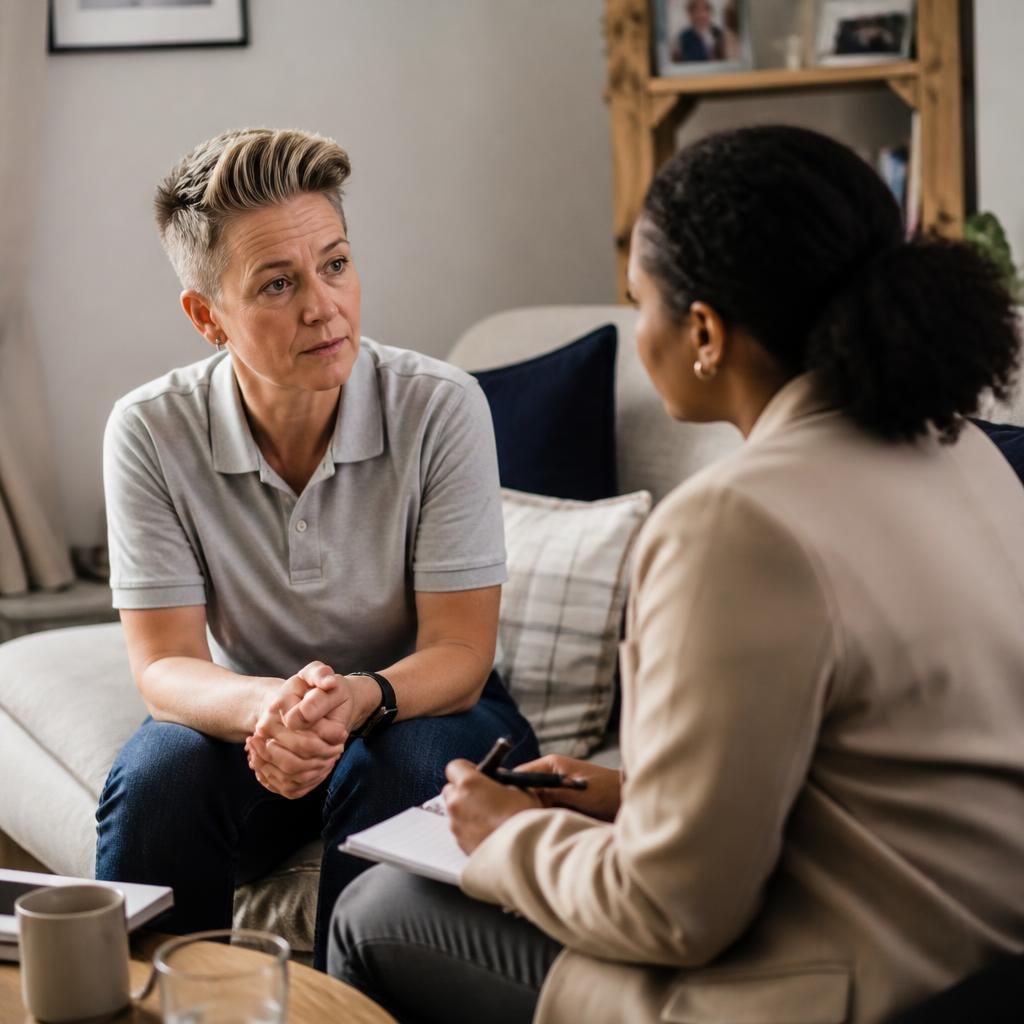
Being a single emergency foster carer does not mean you must live alone. If other adults live in your household, the fostering assessment will consider how their presence may affect the child’s safety, privacy and day-to-day experience. Their views, relationship with you and understanding of fostering may also be discussed.
You will need to show how household boundaries would work when a child arrives unexpectedly. This includes agreeing who may provide care, who can access information about the child and how you will protect the child’s confidentiality. Any adults regularly involved in the household may need to complete appropriate checks or provide information as part of the assessment.
Clear arrangements help the agency understand who is responsible for the child and ensure that emergency care remains centred on the approved foster carer’s role.
Find out if you could become a single emergency foster carer
If you are considering emergency fostering as a single person, contact Become a Foster Family to discuss your circumstances and ask any questions about the application process. This conversation can help you decide whether fostering is the right next step for you.