
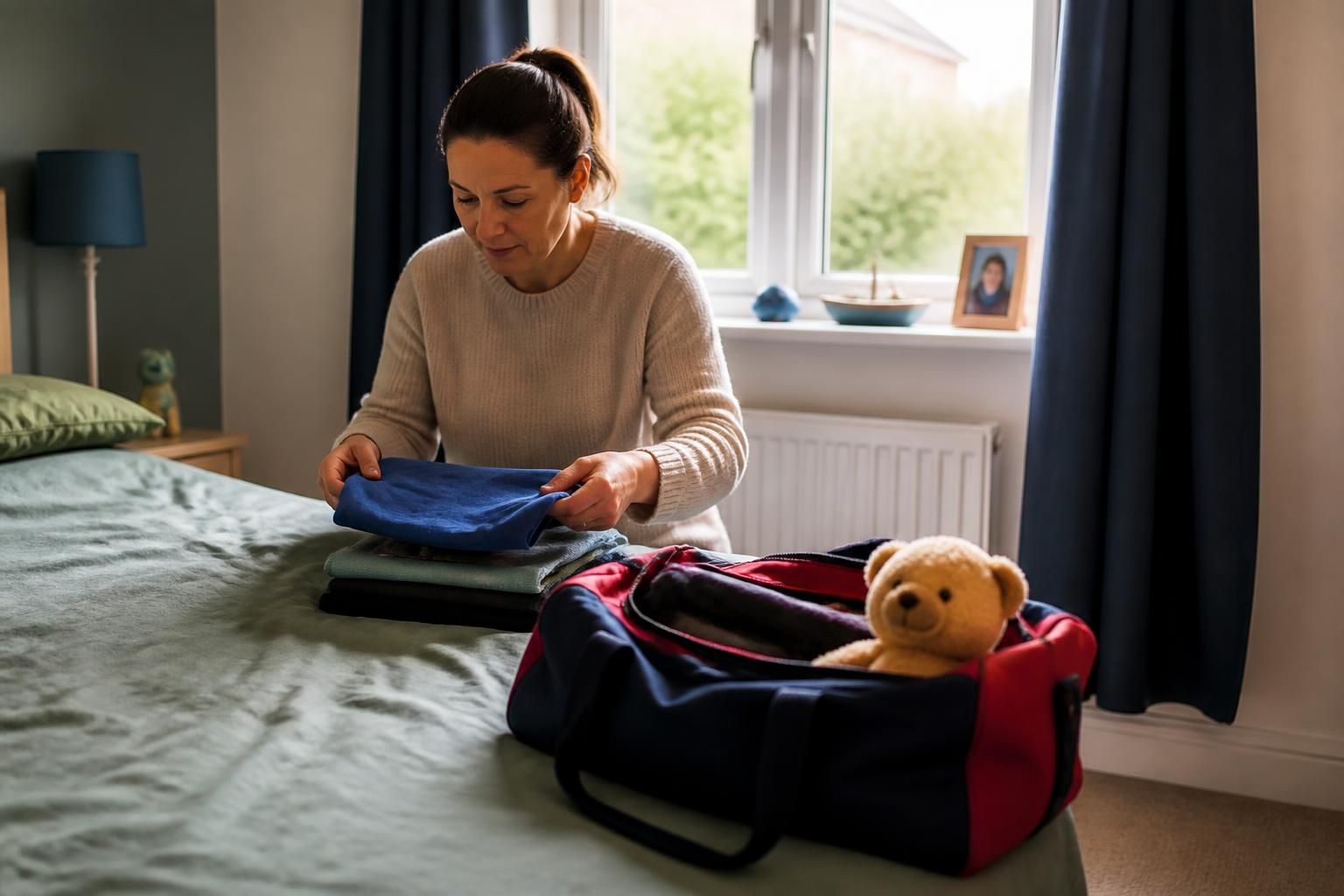
What happens when a child arrives for an emergency foster care placement?
When a child arrives for an emergency foster care placement, the foster carer is given the available information, welcomes the child into the home and helps them settle safely. The first steps usually include checking immediate needs, explaining household routines, arranging essential items and agreeing how contact with the child’s social worker and other professionals will be managed.
Partnering with an
Ofsted Outstanding Provider
When a child arrives for an emergency foster care placement, the immediate priority is to establish safety, understand what is known about the child and begin a structured assessment of their needs. Once the initial arrangements are in place, the placement develops through careful information-sharing, reassurance, recording, professional planning and regular review.
The first period after arrival
An emergency placement can follow a sudden move from the child’s family home, another placement or a temporary setting. The child may be frightened, angry, withdrawn, confused or unable to explain what has happened. These reactions are not unusual. A foster carer should offer calm, predictable care without expecting the child to talk about difficult experiences before they are ready.
Information may arrive in stages because professionals are also establishing the facts. The local authority should share the key details needed to care for the child safely, including known health needs, medication, allergies, education, family relationships, risks and any arrangements already made. Foster carers should ask for clarification where information is incomplete and record important updates as they are received.
Understanding the placement plan
The child’s social worker and other professionals will explain the purpose of the placement and what is expected next. This may include plans for family contact, health appointments, education, legal decisions or a move to another placement. Emergency arrangements can change as more information becomes available, so carers should check which decisions they can make themselves and which require agreement from the child’s social worker or local authority.
The placement plan should also clarify practical matters such as:
- who has parental responsibility and who can give consent for particular decisions;
- how contact with parents, relatives or other important people will be arranged;
- which professionals should be contacted about safeguarding, health or behaviour concerns;
- how the child’s belongings, documents, medication and personal information should be managed; and
- what information must be recorded and how it should be shared securely.
Helping the child adjust
During the first days, simple explanations and consistent boundaries are usually more helpful than a detailed discussion about the reasons for the move. The child should be told what they need to know in language suited to their age and understanding. Explain who lives in the household, what will happen next and who they can speak to if they are worried. Avoid making promises about how long they will stay or what decisions will be made unless professionals have confirmed this.
Foster carers should respect the child’s privacy while making sure they are supervised appropriately. Personal care, sleeping arrangements, use of technology, meals and household expectations may need to be introduced gradually. The child’s culture, religion, identity, communication needs and existing routines should be considered rather than assuming that every child will respond in the same way.
Recording and sharing information
Carers are expected to keep clear, factual records about significant events, conversations, health concerns, incidents, contact and the child’s presentation. Records should distinguish between what was observed, what the child said and any action taken. This information helps the child’s social worker understand how the placement is progressing and may form part of later decision-making.
Confidentiality is important. Details about the child should only be discussed with people who have a legitimate role in their care. Foster carers should not post photographs or identifying information online and should seek guidance before sharing information with schools, clubs or members of the wider household.
Health, education and family links
After the placement begins, professionals will work with the carer to identify outstanding health needs, appointments and education arrangements. This may involve checking prescriptions, arranging assessments, notifying a school or considering temporary education arrangements. The carer should report changes in the child’s health, mood, sleep, eating, behaviour or presentation, particularly where these could indicate distress or a safeguarding concern.
Family contact should follow the agreed plan. A child may appear unsettled before or after contact, and the carer should share relevant observations with the social worker without criticising the child’s family. Contact arrangements may be reviewed if they are not safe, are not working as intended or do not meet the child’s needs.
Professional support and review
The foster carer will normally have contact with the child’s social worker and their supervising social worker as the placement is assessed. These professionals can help interpret information, consider risks, support communication with the child and identify further training or practical assistance. Any serious concern, missing episode, allegation, injury or significant change in behaviour should be reported through the agreed safeguarding procedure.
The placement is reviewed as professionals learn more about the child’s circumstances. The review considers whether the arrangement remains safe and suitable, what support is required and what the longer-term plan should be. Possible outcomes include continuing the placement, changing the care arrangements, returning the child to family or moving the child to a more suitable placement. The foster carer should contribute observations, but decisions are made through the local authority’s care-planning process.
For prospective carers, the important point is that an emergency placement is not managed by the foster carer alone. Clear recording, appropriate boundaries, cooperation with professionals and a patient, child-centred approach help the placement move from an urgent arrangement towards a properly assessed plan for the child.
A foster carer’s role is to provide care and notice concerns, not to investigate why the child has been moved. If the child shares information about harm, neglect or something that makes them feel unsafe, listen calmly without asking leading questions or pressing for more detail. Reassure them that they have been heard, make a factual note of their words as soon as possible, and report the concern through the agreed safeguarding procedure. This helps protect the child while allowing trained professionals to make the necessary enquiries.
Learn more about emergency foster care placements
If you are considering becoming a foster carer, learn more about emergency foster care placements and the approval process. You can also contact Become a Foster Family for guidance on whether this type of fostering could suit your household.