
What should I prepare for an emergency foster care placement?
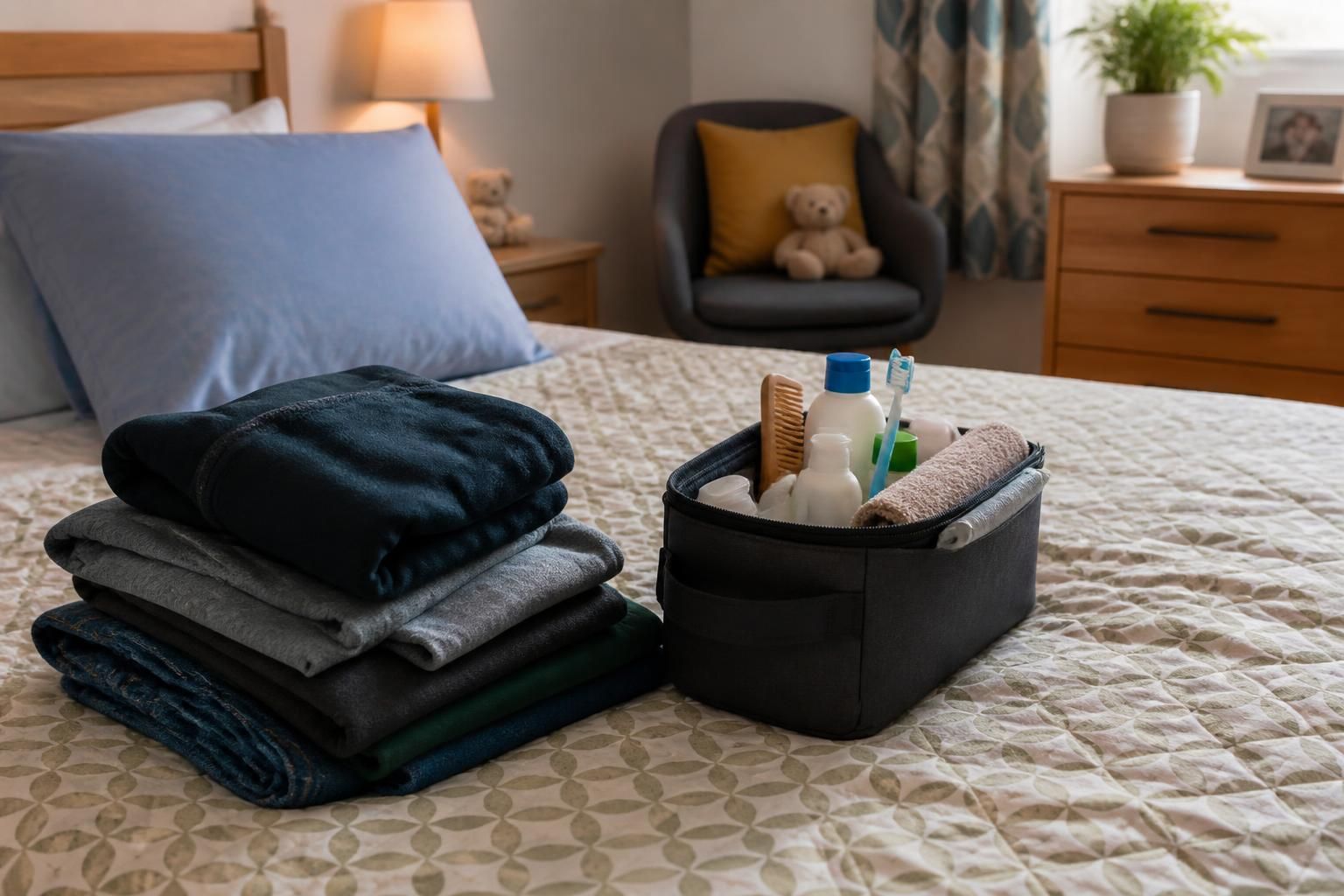
Prepare for an emergency foster care placement by keeping essential clothing and toiletries available, making a safe sleeping space ready, and considering how you will explain the move in a calm, age-appropriate way. Your supervising team will share the information available about the child, discuss immediate needs and routines, and guide you through the first steps.
Partnering with an
Ofsted Outstanding Provider
Preparing for an emergency foster care placement means getting your household, practical arrangements and expectations ready to respond safely to a child’s immediate needs. You may receive limited information before the placement, so preparation is less about anticipating every detail and more about creating a calm, flexible home and knowing how to seek guidance.
Before an emergency placement is offered
- Keep your supervising social worker’s contact details easily accessible and know who to contact if you need clarification about the referral.
- Discuss the possibility of an emergency placement with everyone in your household. Make sure they understand that plans may change and that the child’s privacy must be respected.
- Consider how you will manage school runs, work, appointments, transport and other regular commitments if a child joins your household unexpectedly.
- Check that essential household items are secure, including medicines, cleaning products, alcohol, sharp objects, tools and anything that could present a risk.
- Think about pets, smoking arrangements, visitors and access to different parts of the home. Your fostering team can advise on any changes needed for the individual child.
- Keep a simple notebook or digital record available for important information, questions, appointments and observations. Follow the recording arrangements explained by your fostering service.
It is also useful to consider how you will protect the child’s confidentiality. Information about their circumstances should only be shared with people who have a legitimate need to know. Avoid discussing the placement on social media or in public places, and ask your fostering team before taking or sharing photographs.
Information to establish before the child arrives
Ask what is known about the child’s age, identity, health, education, family relationships, communication needs and reasons for being placed. You may not receive a complete history immediately, but the available information should help you understand any immediate risks and make sensible arrangements.
- Are there medical conditions, allergies, prescribed medicines or dietary requirements?
- Does the child have particular communication, sensory or mobility needs?
- Are there known triggers, worries, behaviours or safety concerns?
- What arrangements are in place for school, education, appointments or contact with family members?
- Who holds parental responsibility, and which decisions can you make as the foster carer?
- What personal belongings, documents or medication will accompany the child?
Some answers may need to be confirmed after arrival. Do not fill gaps with assumptions. Record what you have been told, identify anything that remains unclear and raise questions with the supervising team or the child’s social worker.
Prepare yourself and your household emotionally
An emergency move can be confusing or frightening for a child, even when the placement is necessary for their safety. They may appear quiet, angry, anxious, unsettled or unusually cheerful. Their behaviour may change as they begin to feel more secure. Adults in the household should agree to use calm language, offer simple choices and avoid pressing the child to talk before they are ready.
Set realistic expectations for the first few days. The priority is to establish safety, trust and basic communication rather than addressing every behaviour or obtaining a full account of the child’s experiences. Household rules should be clear and proportionate, but avoid introducing unnecessary demands all at once. Ask your supervising team for advice if behaviour presents a risk or you are unsure how to respond.
Plan the first practical steps
When the child arrives, confirm the immediate arrangements with the professionals involved. Check who to contact about health matters, education, family contact, transport, permissions and safeguarding concerns. Find out how information should be recorded and how significant incidents should be reported.
Use the child’s preferred name and pronunciation where this is known. Explain who the adults in the home are, what will happen next and which information is confidential. Keep explanations brief and age-appropriate, and allow time for the child to process what they have been told. Do not question them repeatedly about why they have come into care or promise outcomes that are outside your control.
Keep receipts and records for agreed expenses in line with the arrangements explained by your fostering service. If an item or activity is needed for the child’s welfare, ask for guidance before making assumptions about what can be authorised. Practical decisions may need to be reviewed as more is learned about the child’s circumstances.
Finally, ask for help early rather than waiting until a difficulty becomes serious. Your supervising team can help you interpret new information, manage changes in routine, communicate with other professionals and review whether the arrangements remain suitable. Good preparation gives you a framework, but flexibility and accurate communication are equally important during an emergency foster care placement.

Keep preparation practical rather than trying to plan every detail. An emergency placement may change as professionals learn more about the child, so avoid buying large quantities of clothing, equipment or personal items before you know what is suitable. A neutral, tidy space gives the child room to express their preferences rather than suggesting that you already know what they will like.
Choose a few adaptable essentials and keep arrangements easy to change. Check with the child, where appropriate, before making decisions about room layout, food, activities or personal belongings. This approach reduces waste, avoids assumptions and helps the placement develop around the child’s individual needs.
Discuss preparing for an emergency foster care placement
Discuss your household’s circumstances and any questions about emergency foster care with our fostering team. They can help you understand the preparation involved and the next steps towards becoming a foster carer.